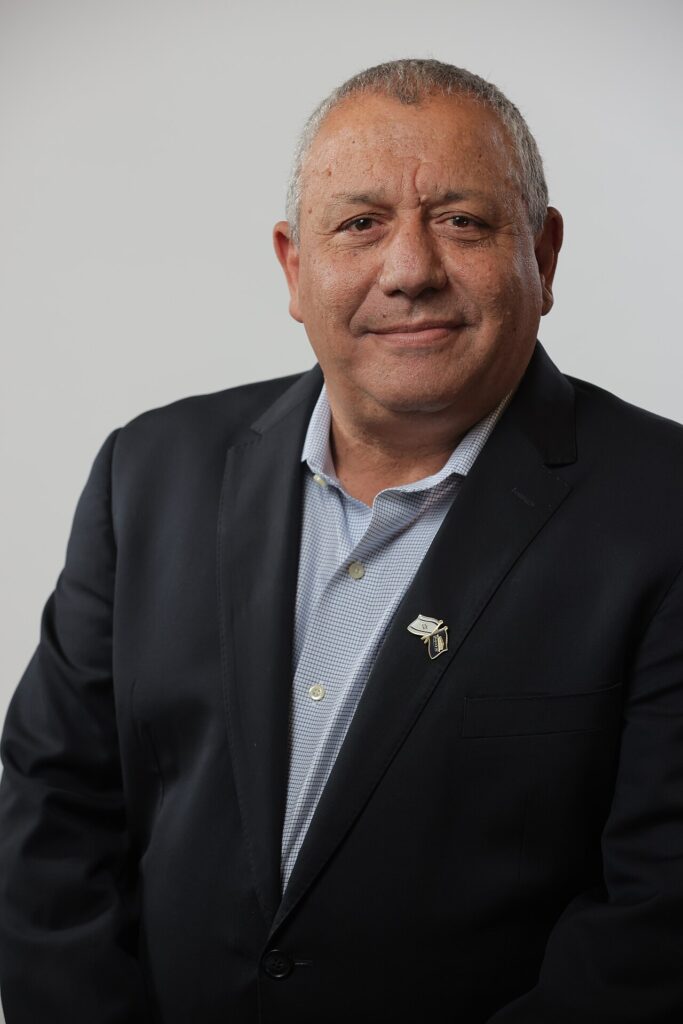

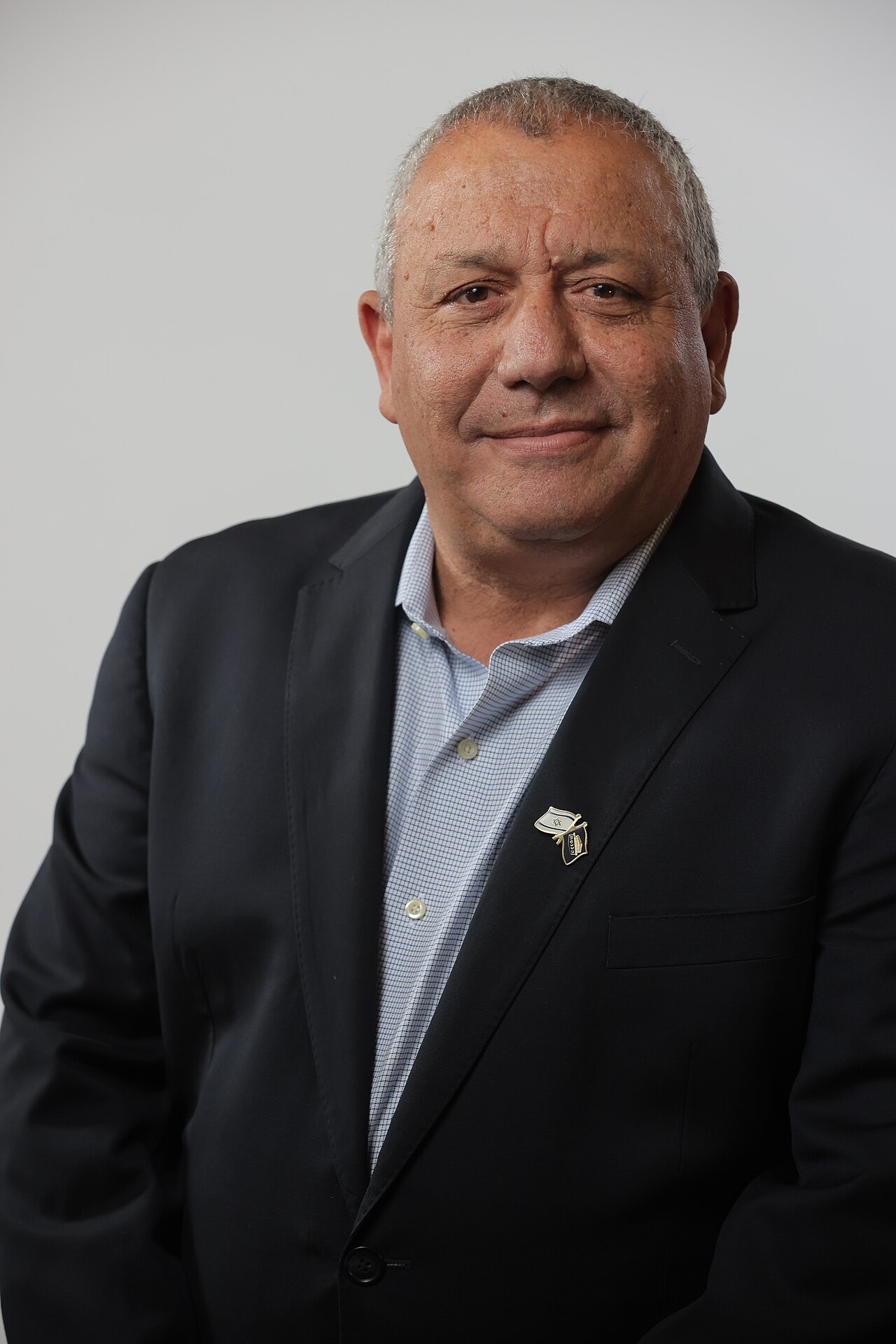
Israel opposition leaders agreed on Tuesday to back Gadi Eisenkot as prime minister, in their first joint meeting since the 27 October election left neither bloc with a majority in the 120-seat Knesset.
According to Al Jazeera, the leaders met in Herzliya, north of Tel Aviv, and promised to replace Benjamin Netanyahu’s government as quickly as possible. In a joint statement, they said all their parties would recommend Eisenkot, head of the Yashar party, to President Isaac Herzog, and that negotiating teams would immediately begin drafting policy guidelines and coalition agreements.
“The party leaders are coordinated and will act immediately” to replace Netanyahu’s coalition “with a national emergency government,” the statement said, according to Al Jazeera. The meeting brought together Eisenkot, former prime minister Naftali Bennett, Yisrael Beytenu leader Avigdor Liberman, Yair Golan of the Democrats and Yair Lapid of Yesh Atid.
Speaker deal agreed
The bloc also reached agreement on senior Knesset posts, according to the Times of Israel, cited by LaPresse. Former minister Matan Kahana, number five on the Yashar list, will be put forward as the next Speaker of the Knesset. Liberman will chair the powerful Foreign Affairs and Defence Committee, and newly elected B’Yachad MP Liran Avishar Ben-Horin will head the Finance Committee.
The composition of the committees will be finalised this week and submitted to the Knesset for approval on Wednesday, according to the report. The agreement follows days of negotiations on the posts.
President Herzog gave Eisenkot the first mandate to try to form a government on Saturday, after consultations in which 67 of the 120 Knesset members recommended him, compared with 46 for Netanyahu, according to reports. Seven members of United Torah Judaism declined to recommend either candidate.
The Arab-parties question
The bloc remains divided over whether to ally with Arab-led parties, whose support could prove decisive, Al Jazeera reported. Netanyahu’s bloc won 53 seats, the opposition 48, and Arab-led parties 19, with the Joint List taking 11 and Ra’am eight.
Eisenkot’s Jewish-led partners hold only 48 seats, so a majority of 61 cannot be reached without either the Arab-led lists or a deal with ultra-Orthodox or Likud lawmakers. The leaders stood by four principles set out by Eisenkot, including that all parties in government recognise Israel as a Jewish state and label Hamas a “terrorist” group — conditions that could exclude some Arab-led parties, according to Al Jazeera.
Herzog will hold consultations on Wednesday and Thursday. Eisenkot has 28 days, with a possible 14-day extension, to assemble a coalition. Netanyahu remains caretaker prime minister while the talks go on.
Sources: Al Jazeera, 10 Nov 2026; LaPresse / Times of Israel, 10 Nov 2026; Reuters via NewsPoint, 8–10 Nov 2026