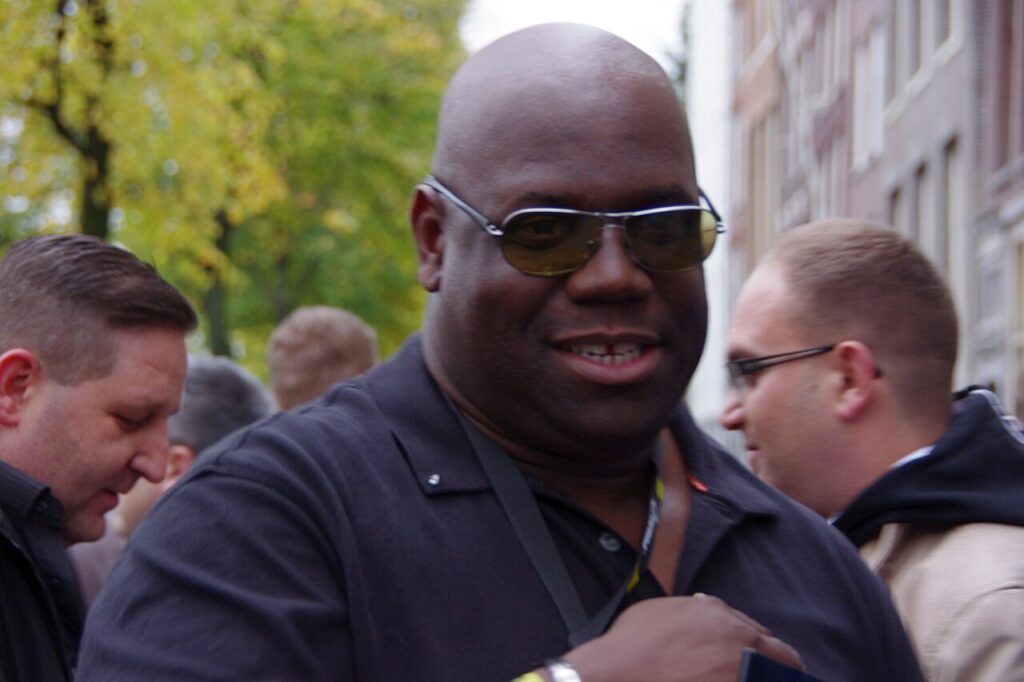

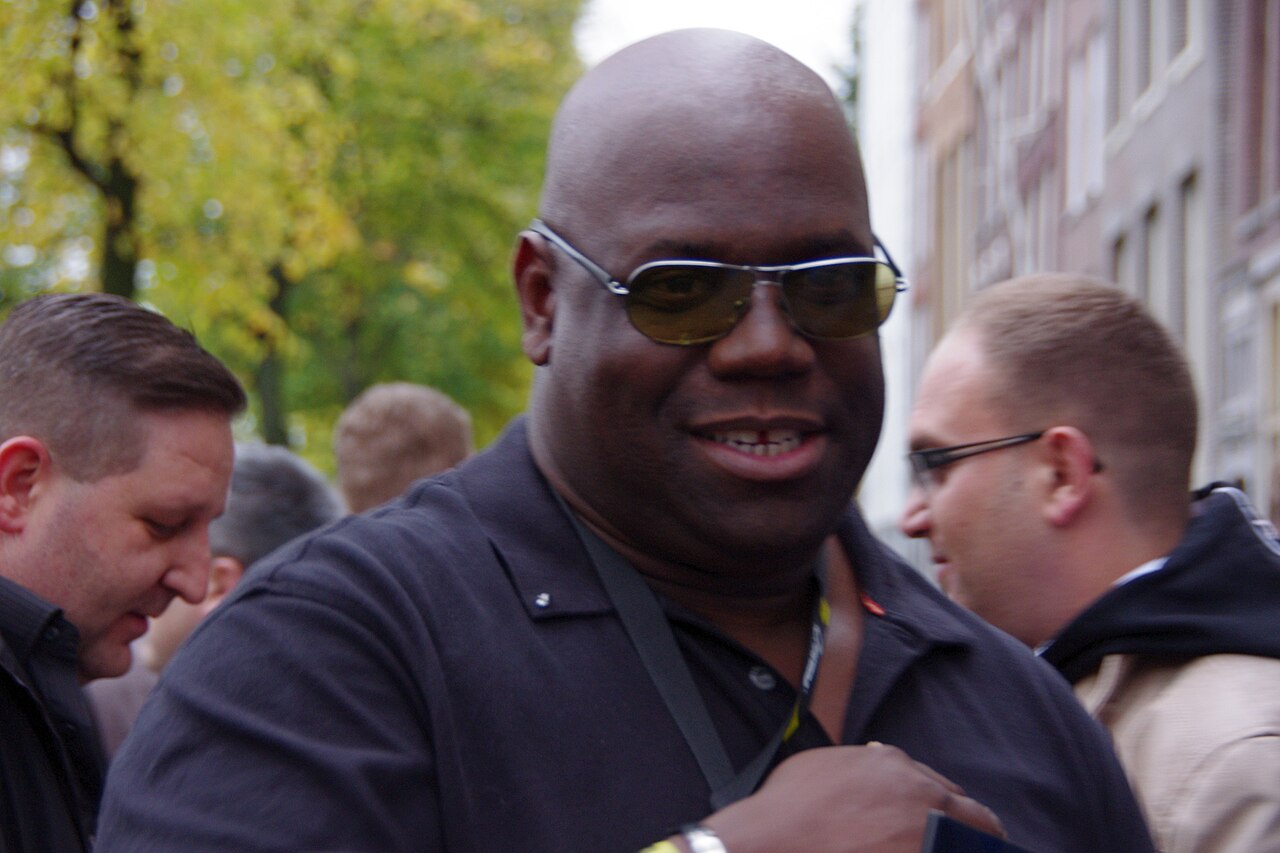
Carl Cox has received his OBE from Prince William at Windsor Castle, collecting the honour for services to music at an investiture ceremony on Tuesday 10 November.
The pioneering British DJ and record producer, 64, was named in the King’s Birthday Honours in June 2026, and he flew back to the UK from a US tour for the ceremony, joined by his girlfriend and his sisters. Prince William presented the medal at the royal residence in Berkshire, and Cox said afterwards that William told him he had been a genuine fan for years.
“Beyond anything I could have imagined”
“To receive my OBE from Prince William at Windsor Castle, recognising nearly 50 years of doing something I absolutely love, is beyond anything I could have imagined,” Cox wrote on his social channels. “By next year, I would have been putting needle on the record for 50 years, so it’s quite a thing to be able to still keep doing something, even at my time of my life as a 64-year-old man.”
Cox, known to fans as the “King of Techno”, was instrumental in pioneering British acid house culture in the late 1980s before building an international dance empire. He founded his label Intec Records in 1999 and is known for mastering three-deck and four-deck mixing techniques. His catchphrase “Oh yes, oh yes!” became a signature, and his autobiography of the same name was published in August 2021.
A big day for British music
Cox was one of several music figures honoured at Windsor on Tuesday. Welsh singer and BBC Radio 6 Music host Cerys Matthews also received an OBE, while former marathon world record holder Paula Radcliffe was among the sporting names honoured, and Lionesses boss Sarina Wiegman received an honorary damehood. The 2026 King’s Birthday Honours recognised 1,182 recipients across the UK, including Roger Daltrey, David Beckham and Claudia Winkleman. For Cox, who has spent four decades at the top of dance music, the OBE is a rare moment of official recognition for a culture that began in warehouses and clubs.
Cox’s honour is a rare official nod to dance culture, and a reminder that the scene he helped build in the late 1980s is now part of Britain’s establishment.