
More than a quarter of electric car owners now say their next car will have a petrol engine in it. The share of battery-electric owners planning to buy a hybrid or plug-in hybrid next rose from 23 per cent in 2025 to 28 per cent in 2026, according to the HERE-SBD EV Index 2026, a study of more than 4,000 drivers across the United States, France, Germany, Italy, Spain, Britain, India and Australia.
The EV owners turning to hybrids are not giving up on electric driving. The survey found 64 per cent of electric owners are still likely to buy another electric car, and most are happy with the cars they have: 68 per cent said charging in practice is better than they feared, and 67 per cent said the same about range. The shift is about flexibility, not rejection.
Charging confidence is the sticking point
Hybrids appeal to drivers who want electrification but also a fallback on long trips or in areas where charging is unreliable, according to the report. Access to charging stations remains owners’ biggest frustration, with 54 per cent admitting they have avoided a trip because they were unsure they could find a charger along the way.
Robert Fisher, senior consulting manager at SBD Automotive, frames it as a confidence problem rather than a technology problem. The cars work; the network around them does not always keep up. That gap is also visible among drivers who have never owned an electric car: only 17 per cent of combustion-car owners name a battery-electric model as their most likely next purchase or lease.
Value now beats green motives
The reasons buyers consider going electric have changed, too. Better value for money was cited by 36 per cent of respondents, lower running costs by 34 per cent, while environmental benefit, which ranked first in 2025, fell to third at 33 per cent. Around 70 per cent said rising fuel prices had increased their interest in electric cars.
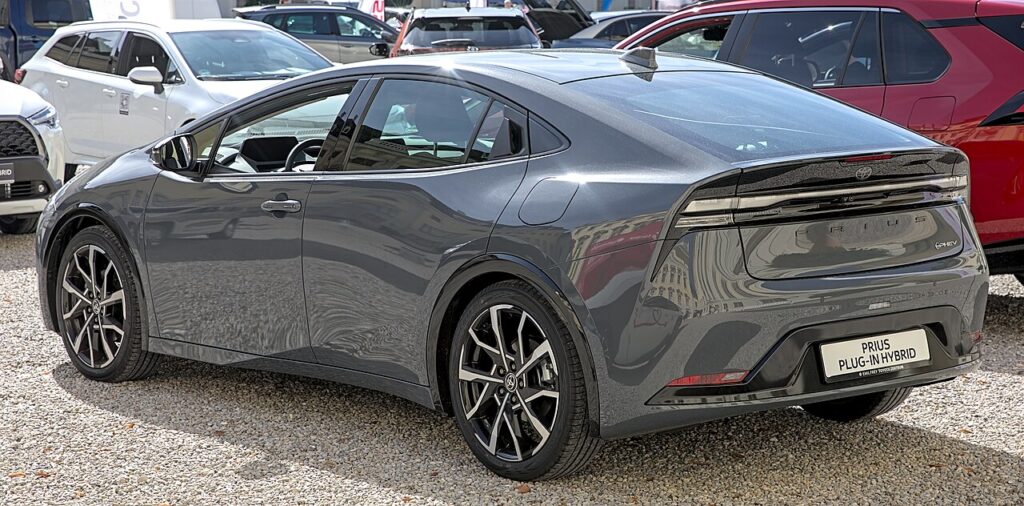
For carmakers, the message is that hybrids are the bridge product for now. Toyota’s Prius, offered as a hybrid and a plug-in hybrid, is the reference product for that middle route. With new car prices at a record $51,109 on average and the federal clean-vehicle purchase credits gone, buyers are weighing every dollar, and a hybrid that never needs a charger looks like the safe bet. Used cars are drawing similar bargain hunters as new prices climb.