
America is heading into the holidays in two different economies. Higher-income households plan to spend more this Christmas, while lower-income households plan to cut back in every holiday category, according to Alvarez & Marsal’s Fall 2026 Consumer Sentiment Survey of more than 2,000 US adults. Overall holiday spending intent has turned negative, but the average hides a sharp split.
The Alvarez & Marsal survey found overall consumer spending intent has climbed to its highest level since Fall 2023, at 4 per cent net-more. But the recovery is uneven: higher-income households’ expectations to earn more jumped 10 points to 63 per cent, and their intent to spend more rose 7 points to 25 per cent, while lower-income households’ intent to save more fell 6 points to 22 per cent, the widest savings gap between income groups since the survey began tracking it.
A two-speed holiday
Total holiday spending intent is minus 14 per cent net-more, down from roughly minus 3 per cent last fall. Higher-income households plan to spend more by 18 per cent net, led by holiday meals and treats at plus 21 per cent and travel at plus 17 per cent. Lower-income households plan to cut back across every holiday category by 26 per cent net, with the deepest cuts to gifts for themselves at minus 34 per cent, travel at minus 36 per cent and decorations at minus 43 per cent.
The cuts are somewhat shallower for gifts for others, at minus 16 per cent, and holiday meals at minus 19 per cent, suggesting families are protecting the shared parts of Christmas first. The pullback is also steeper among consumers aged 45 and over, at minus 32 per cent, while under-45s are roughly flat at plus 3 per cent.
Shoppers adapt rather than quit
The split matches other recent research. Circana’s 2026 Holiday Purchase Intentions Study found 57 per cent of consumers rate current economic conditions as fair or poor, and 49 per cent plan to spend less because their finances have changed or remain uncertain. Yet nearly three-quarters of holiday shoppers plan money-saving moves instead of skipping the season: buying more items on sale, redeeming rewards points, choosing store brands and using loyalty programs more.
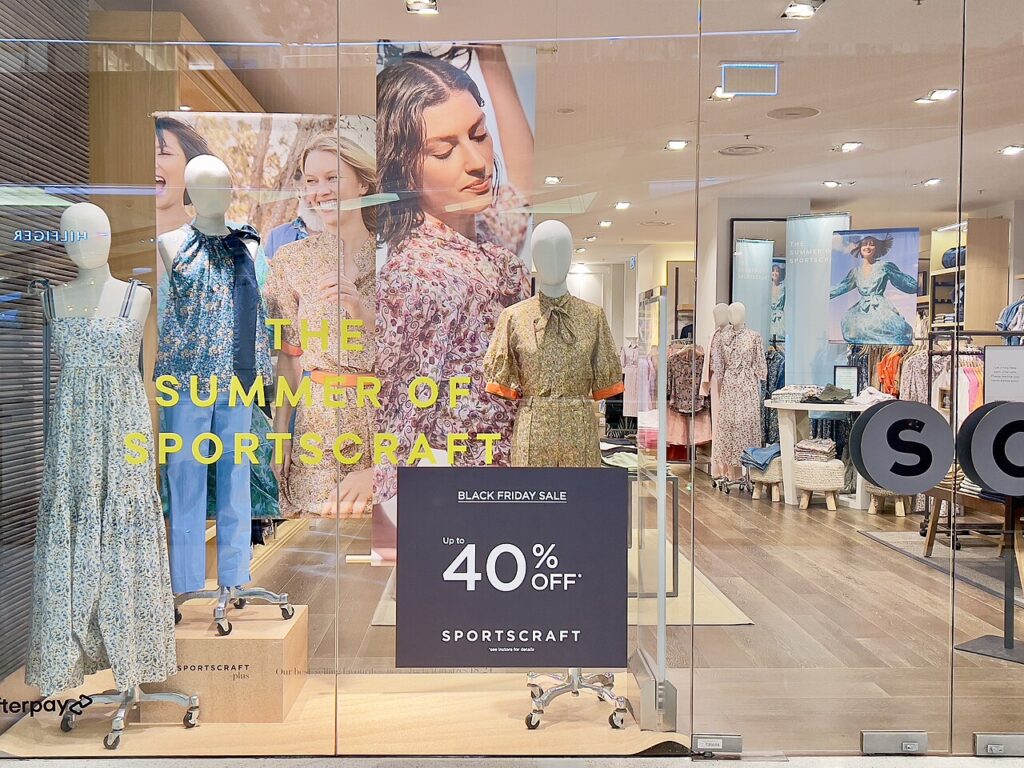
Grocery leads the recovery in the Alvarez & Marsal data, with net-more spending intent doubling to plus 14 per cent, and higher-income households plan to spend more in nine of twelve categories. For retailers, the lesson is that this Christmas has two audiences: one trading up and one trading down. Amazon’s Black Friday Week runs November 19 to 30 with deals to 67 per cent off, and Walmart’s early Black Friday sale runs to November 15, so deal-hunting will decide how far most budgets stretch.