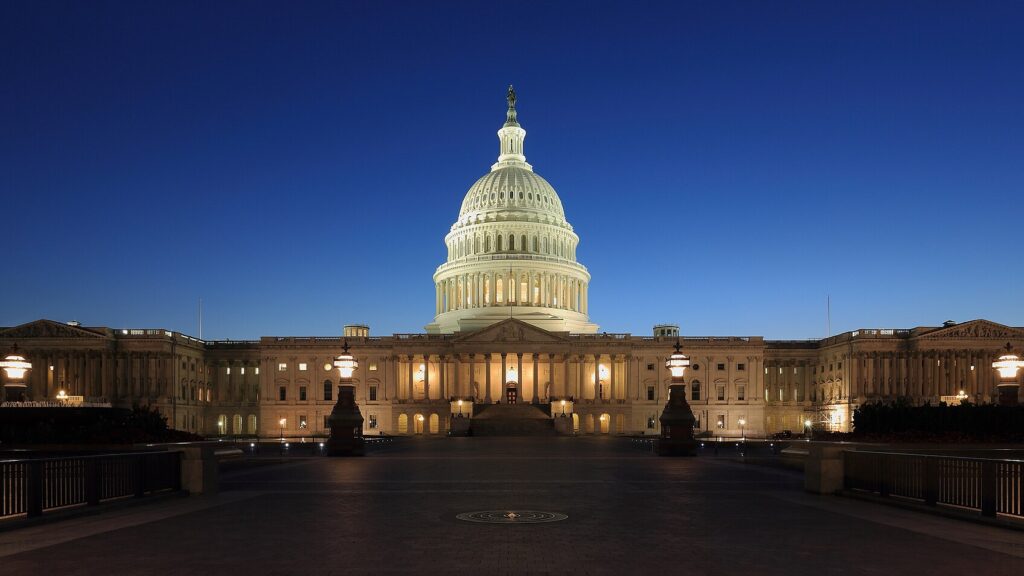

House Democrats have secured at least 259 seats in the 435-member House, clinching the party’s largest majority in a general election since 1990, the Associated Press reported on Tuesday. The milestone, reached after Democrat Victoria Broderick defeated Republican Representative Scott DesJarlais in Tennessee, completes an election sweep unseen in more than three decades and sets up divided government from January.
Democrats have so far gained 45 House seats from where they started on Election Day, five more than the 40 they picked up in President Donald Trump’s first midterm in 2018. Republicans will hold at least 173 seats in the minority. Three races remain outstanding: one in Minnesota, where a recount is scheduled to start on November 30, and two in Louisiana heading to a December runoff.
A majority bigger than 1992 or 2008
The 259-seat tally surpasses the party’s majorities from its most celebrated recent victories. Democrats won 258 seats when Bill Clinton was first elected president in 1992, and 257 when Barack Obama won in 2008. The party has not held a larger share of the House since 1990, when it won 267 seats. The historic peak dates to 1936, when Democrats won 334 seats under President Franklin Delano Roosevelt.
The 259th seat was reached on Tuesday, but the 258th had fallen on Sunday, when Democrat Chuck Hubbard defeated longtime Republican Representative Virginia Foxx in North Carolina. Ms Foxx, the chair of the House Rules Committee, conceded the race on Sunday, extending what CNN called Democrats’ largest House majority since the early 1990s.
The scale of the win carries both opportunity and pressure. The Associated Press noted that the sweep creates “not only vast opportunities to govern but also intense pressure to deliver on campaign promises and priorities.” With the Senate also in Democratic hands, the party will control both chambers when the new Congress convenes on January 3, 2027, facing a Republican president in the White House.
What divided government means
The new balance of power will shape everything from spending bills to investigations. Democrats have already signalled ambitions on the cost of living: Mr Trump has vowed a 10 per cent credit-card rate cap with Democrats in 2027, an unusual point of possible common ground between the president and the incoming majority.
But the same majority will also give Democrats the committee gavels and subpoena power to scrutinise the administration, including its foreign policy and its handling of the economy. The midterm elections, held on November 3, delivered a clear verdict on Mr Trump’s second term, and the final tallies have only sharpened it.
For now, the counting continues in the three outstanding districts, and the Democratic lead could still grow. Democrats had already won their biggest House majority since 1992 after a recount earlier in the week; Tuesday’s result pushed them past that mark and into territory not seen since 1990. Whatever the final number, the message of the midterms is settled: the House has changed hands, decisively.