
A tiny blue chick named Hope has given conservationists fresh reason to believe in the future of the Spix’s macaw, a parrot that no longer exists in the wild. The female chick, the first of her species ever hatched in a Brazilian zoo, was presented to the public at Sao Paulo Zoo on November 24.
Hope hatched on October 18, according to Brazil’s environment ministry and the conservation agency ICMBio, after 28 days in an artificial incubator. She weighed just 12.4 grams at hatching, and she needed help to get out of the egg at all. Keepers had been watching the egg closely, and when the chick turned out to be badly positioned inside the shell, they stepped in and helped her break free.
“It was 28 days of suffering until we saw her hatch,” said Fernanda Guida, head biologist of the zoo’s bird division, as she held the chick for photographers. “She needed help, we had to remove her from inside the egg because she was badly positioned, and then she hatched.”
A species that vanished
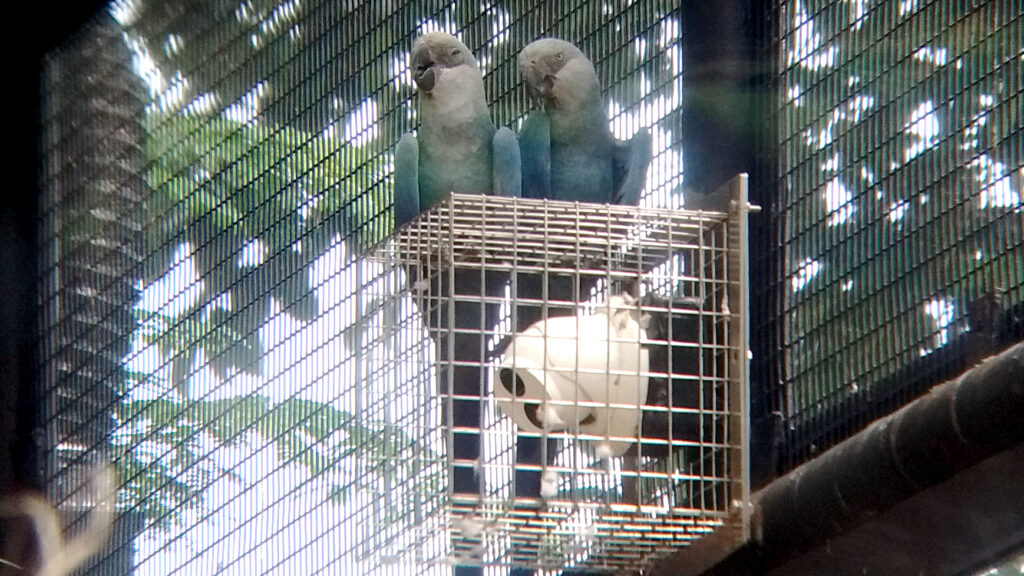
The Spix’s macaw, known in Brazil as the ararinha-azul, is one of the world’s rarest parrots. Native to the Caatinga dry forest around Curaca in Bahia, in north-eastern Brazil, it was pushed to the brink by deforestation and decades of trapping for the illegal pet trade. It vanished from the wild around 2000, and the International Union for Conservation of Nature lists it as extinct in the wild. About 330 birds survive, all of them in human care.
Hope’s arrival brings Sao Paulo Zoo’s flock to 28 birds, roughly 8.5 per cent of the world’s population. The zoo took in 27 macaws in August 2023, when ICMBio’s bird centre asked it to house birds from a private breeder that had left the national conservation plan. Hope is the first chick the zoo has hatched itself, and Guida called the first hatching “a very important milestone for the conservation of the Spix’s macaw.”
The bird from Rio
Millions of people know the species without knowing its name. The Spix’s macaw inspired Blu, the hero of the 2011 animated film Rio, a domesticated blue parrot who travels to Brazil to save his kind. The film made the bird famous, but it did not save it. The real birds kept disappearing, and for years the only hope lay in breeding programmes far from the forests where the species evolved.
That work continues, and Hope arrives at a difficult moment for it. Efforts to return the species to the wild have faced setbacks, and officials have given no timeline for any release, or said whether Hope herself might one day fly free in the Caatinga. For now the priority is simpler: keeping a hand-reared chick healthy through her first months, with weekly health checks and close monitoring. When a species numbers only about 330 birds, every hatching counts, and the zoo chose her name deliberately. “We chose ‘Hope’ because we hope we can give a better future to this species,” Guida said.