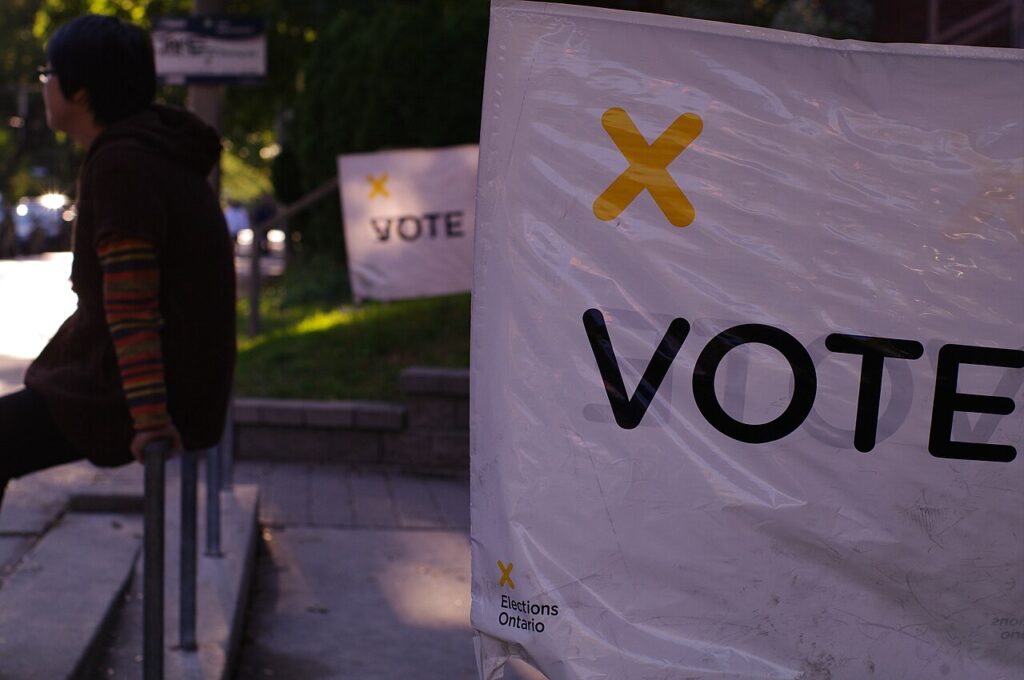

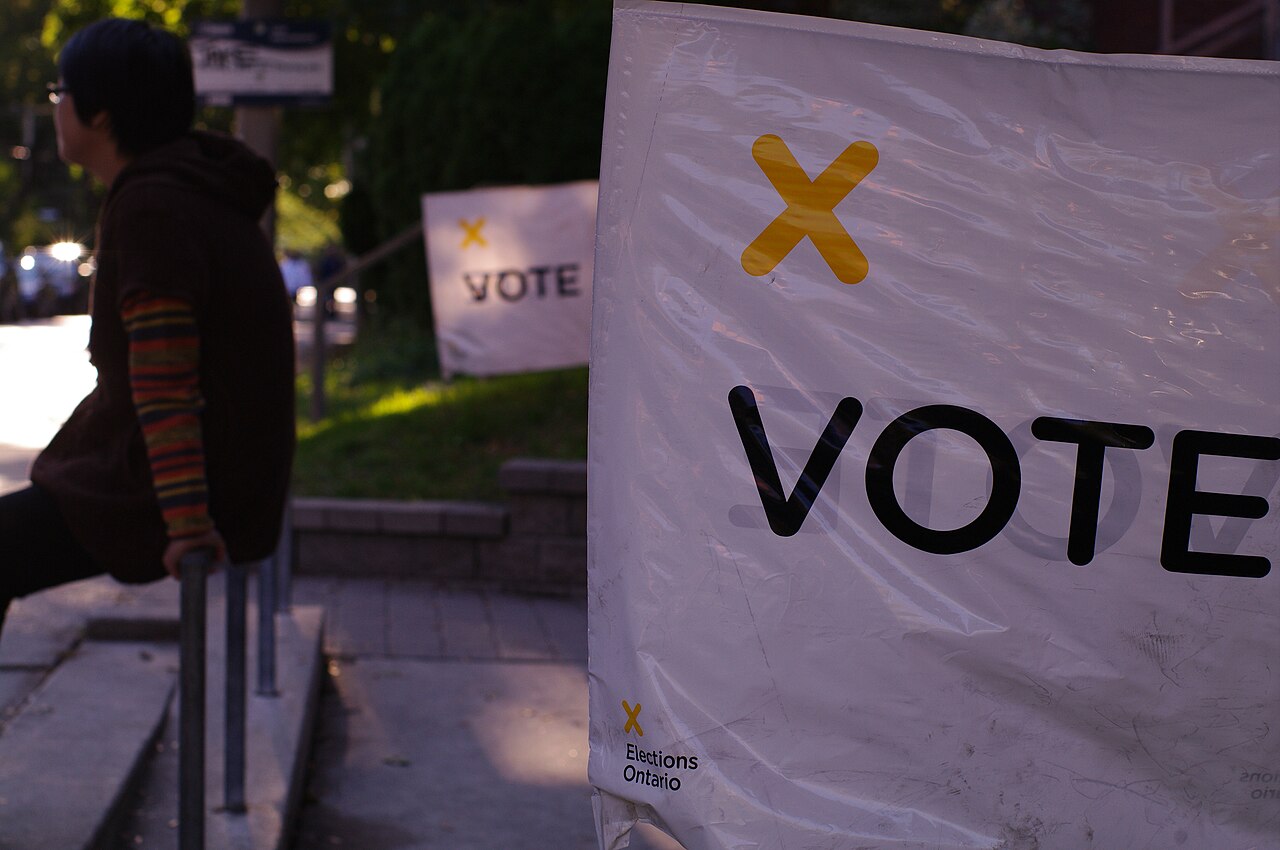
Toronto advance voting has nearly doubled compared with the last municipal election, with 222,550 people casting ballots during six days of advance voting ahead of Monday’s mayoral election.
The figure, reported by the City of Toronto, compares with 115,911 advance votes recorded in the 2022 municipal election, according to reports. The final day of advance voting alone drew 53,363 voters.
The surge suggests the 2026 contest is attracting attention well beyond the usual local political cycle, as voters decide between incumbent Mayor Olivia Chow and challenger Brad Bradford in a race that has tightened sharply in its final weeks.
An engaged electorate
Advance voting now accounts for a substantial share of the electorate’s participation before election day itself. Pollsters note that 26 percent of respondents in the latest Pollara survey had already voted at advance polls, and were asked how they voted when their preferences were recorded.
That matters because the polls themselves disagree on who leads. Pollara’s final tracking put Chow ahead 55 percent to 44 percent among decided voters, while Liaison Strategies had Bradford narrowly ahead and Canada Pulse put Chow five points clear. Early ballots already banked cannot be changed by last-minute campaigning.
What happens on Monday
Toronto votes on Monday, October 26, when the remaining ballots will be cast and counted. Chow is seeking her first full term after winning the 2023 byelection, while Bradford, a city councillor, hopes to become Toronto’s sixth mayor since amalgamation in 1998.
Affordability, housing, transit, public safety and municipal services have been central issues throughout the campaign, according to reports. With the advance vote already close to double its 2022 level, election officials and both campaigns will be watching Monday’s turnout closely: a high overall turnout could confirm that this mayoral race has engaged voters far beyond the usual municipal audience.
The surge also changes the arithmetic of the final weekend. Campaigns can no longer win over voters who have already cast ballots, so the remaining effort focuses on the shrinking pool of people who have not yet voted and on making sure supporters actually turn out on Monday. Pollsters caution that advance voters are not necessarily representative of the whole electorate, so the final result may still differ from the advance-vote picture.
Toronto’s experience mirrors a broader trend in Canadian municipal politics, where advance voting has grown steadily as cities offer more early-voting days and voters seek to avoid election-day queues. Whether the 2026 surge reflects enthusiasm, anxiety about the outcome, or simply convenience, it guarantees that Monday’s count will begin with a large bank of ballots already cast, and that the first results reported on election night will reflect the choices of the city’s earliest voters.