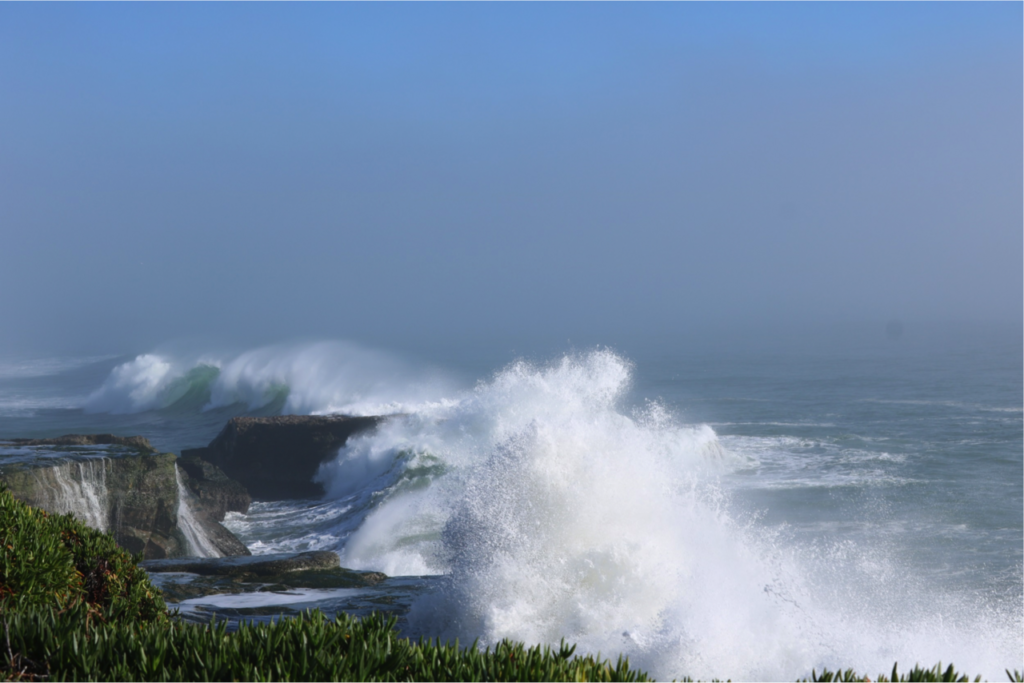

Toho has released a behind-the-scenes teaser for Godzilla Minus Zero showing the scale of its visual effects work, including ocean effects built from 2 billion particles, according to Godzilla-Movies.com’s effects breakdown published on 23 October and Comic Basics’ teaser coverage on 26 October. The clip, running about 2 minutes 17 seconds, presents the production as challengers taking on the world again, with a look inside the latest effects work.
The film is the first Japanese production shot for IMAX, using IMAX-certified high-definition digital cameras, according to Toho and GKIDS as reported by Comic Basics and Fiction Horizon. Director Takashi Yamazaki again supervises the visual effects himself, this time alongside Takayuki Ueki, Eishin Okubo and Kiyoko Shibuya, with effects handled by SHIROGUMI Inc. and production by ROBOT at Toho Studios.
A bigger effects workload than Minus One
Minus One won the Academy Award for best visual effects, making Yamazaki the first director since Stanley Kubrick to win that Oscar for his own film, according to Comic Basics. The sequel’s effects workload is described as more extensive, with the ocean work alone requiring 2 billion particles, a figure that gives a concrete sense of the simulation scale behind the monster’s return.
A 1.43:1 trailer matching the IMAX aspect ratio has also been released, according to Comic Basics, and Japan’s opening day starts at midnight, with the first screenings from 12:00 a.m. on 3 November at 31 IMAX theatres. The teaser campaign is deliberately shifting focus from story to craft in the final days before release, showing how the spectacle is made rather than revealing new plot.
The longest Japanese Godzilla film
Fiction Horizon reported the sequel will also be the longest Japanese Godzilla film ever produced, with a fully regenerated Godzilla returning larger and more ferocious than before. Combined with the Filmed for IMAX label, that positions the film as one of November’s biggest moviegoing events, not just a genre sequel. It opens in Japan on 3 November and in North America on 6 November, with a rollout across 79 countries and territories.