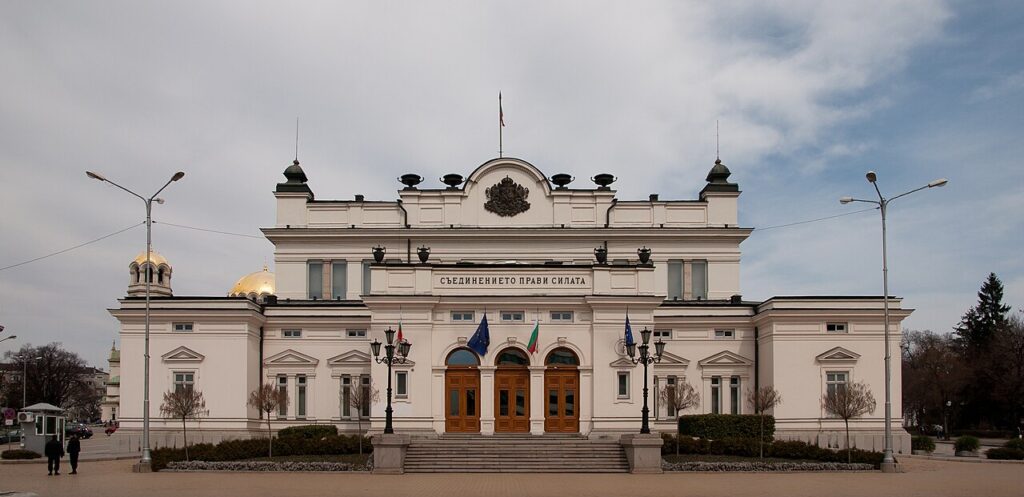

Voting has begun in Bulgaria for the second round of the presidential election, taking place in the shadow of serious regional security threats and economic concerns among citizens, according to a November 1 geopolitical digest. The Bulgaria presidential runoff asks voters to choose the country’s future head of state at a time when Eastern Europe’s stability faces numerous geopolitical and energy challenges.
Bulgaria, a member of both the European Union and NATO, sits at a strategic crossroads between the Black Sea, the Balkans and the wider European continent. Its presidency is largely ceremonial in day-to-day governance, but the president plays an important role in foreign policy, security and as a check on parliament — roles that have become more consequential as Russia’s war in Ukraine continues and energy security dominates the region.
The digest did not name the runoff candidates in its summary, and detailed results were not yet available at the time of writing. That restraint matters: in a close runoff, early claims about the winner can mislead, and responsible reporting waits for official counts from Bulgaria’s electoral authorities.
Economic anxiety at the ballot box
Beyond security, Bulgarian voters are weighing serious economic concerns, according to the digest. Inflation, energy prices and the cost of living have been recurring themes across Eastern Europe, and Bulgaria is no exception. The country’s economy, while growing, remains among the EU’s poorest per capita, and many voters judge their leaders on household budgets as much as on geopolitics.
The runoff also comes as Bulgaria navigates its relationship with the EU, including rule-of-law expectations and access to EU funds. The president’s stance on these questions can influence the tone of Sofia’s dealings with Brussels, even if parliament controls most legislation.
A region watching
Bulgaria’s neighbours will watch the result closely. A president seen as firmly pro-Western would reassure NATO allies, while a more Russia-sympathetic outcome would complicate alliance cohesion in the Black Sea region. Either way, the runoff is a reminder that Eastern Europe’s democratic contests are not routine formalities — they are choices about security orientation in a continent still at war.
Official results are expected after polls close and counting is complete. Until then, Bulgarian voters — not commentators — decide the country’s next head of state.