
The side hustle is no longer a hobby with pocket money attached. It is, for a majority of those who have one, the difference between covering essentials and not. The Penny Hoarder’s 2026 Side Hustle Survey of 1,000 U.S. adults with side hustles found that 53% would struggle to cover essential expenses without the extra income, and three in four said rising costs had increased their reliance on side income over the past year.
What hustlers actually earn
Median monthly earnings from side gigs were US$1,275, or roughly US$15,000 a year — about 25% on top of the U.S. median full-time salary of just over US$62,000, according to the survey’s comparison with Bureau of Labor Statistics figures. The average hustler works an additional 13 hours a week. More than half (57% in one summary of the survey) work two or more side hustles at once, and 73% say a flexible schedule matters more than anything else when picking one. A separate summary puts 44% at two side gigs — the difference reflects how the survey’s overlapping categories are counted, so treat the exact share as approximate.
The tax trap
One in five side hustlers have not set aside any money for taxes or are unsure what they owe, according to the survey — a fast route to a surprise bill in April. Side income is taxable even if no 1099 form arrives. The practical rule is to set aside a percentage of every payment into a separate account the moment it lands, and to compare take-home pay after platform fees rather than the advertised hourly rate, which the Federal Trade Commission has warned can be inflated in gig ads.
Choosing a hustle that lasts
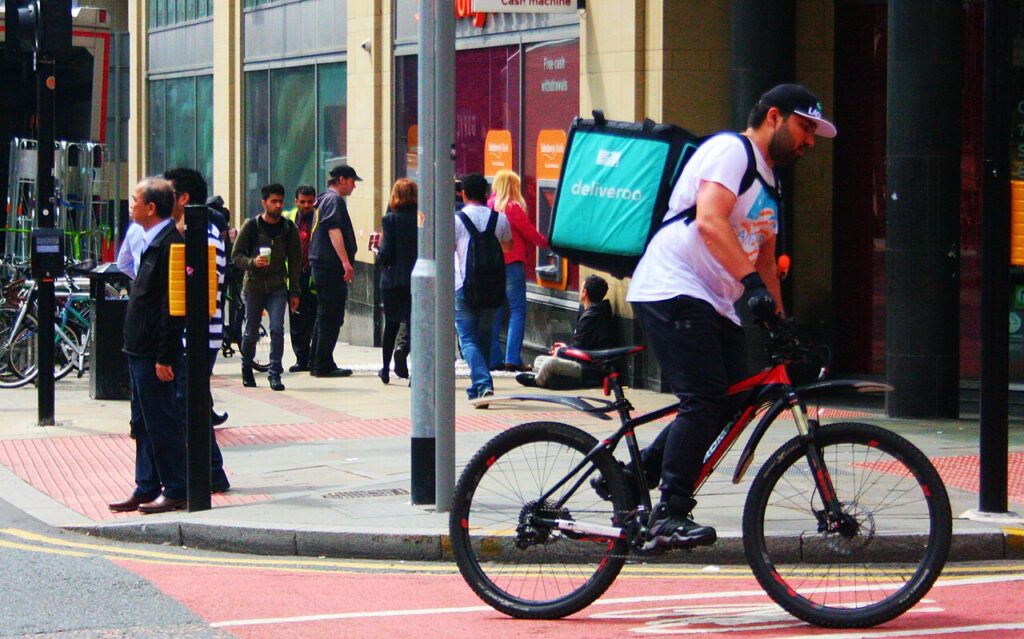
Skilled freelance work — writing, design, professional services — generally pays more once reviews and a portfolio exist, but takes longer to build. Delivery and task work pay faster but cap out sooner. The survey’s lesson is to pick on three tests: does it fit your hours, does it pay after fees and tax, and can you stop without penalty if the main job changes? A hustle that fails any of those tests is a second job in disguise.


