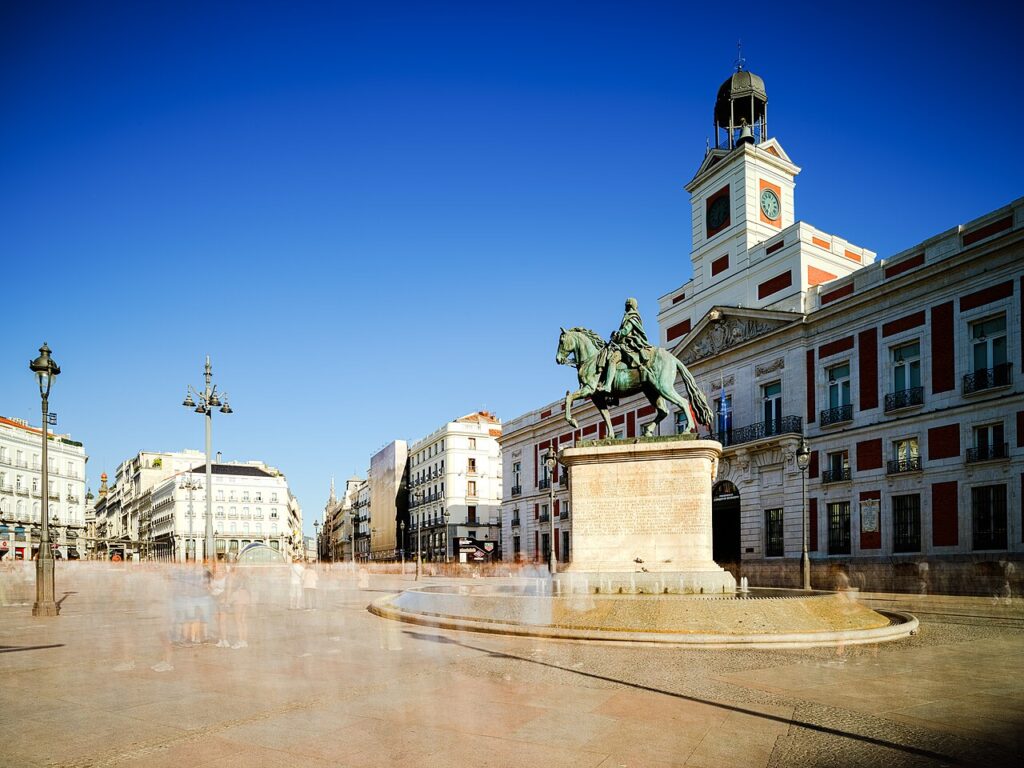

Millions of workers across Spain walked off the job on Wednesday in the country’s first general strike in 14 years, shutting down transport and businesses in a nationwide protest over soaring rents and the cost of living. The Spain general strike was called by the two biggest unions, UGT and CCOO, under the slogan “Salaries. Housing. Prices.”
The walkout, the first general strike in Spain in 14 years and the first whose principal push was born of unrest over housing, brought large demonstrations to Madrid, Barcelona and other major cities. Unions said roughly four million people joined, about one in every five workers, with participation claimed at 90 percent at ports and carmakers. Housing activists said 400,000 marchers filled Barcelona, while the city government put the figure at 55,000, and Spanish government officials estimated 120,000 people turned out in Madrid despite pouring rain.
Rents Have Nearly Doubled in a Decade
Average rents in Spain have almost doubled in the last decade, eating into household budgets and upsetting voters. A 50-square-metre flat in Madrid cost about 1,170 euros a month in October, according to property portal Idealista, against an average gross monthly salary of only around 2,460 euros, so rent swallows nearly half of a typical pay packet. Housing experts generally say rent should stay under 30 percent of income. The country is short of about 750,000 homes, and that gap is expected to pass one million by 2028.
The strike was catalysed by public anger over housing after the eviction of 87-year-old Maricarmen Abascal from a Madrid flat where she had lived for seven decades. She later died in hospital. Activists are demanding the abolition of tourist apartments, curbs on speculation in the real estate market and the automatic extension of lease agreements to protect tenants. Police logged at least 73 arrests across the country from more than 1,000 incidents, with clashes in Barcelona near Passeig de Gracia.
Election Looms as Decrees Go to Vote
Politics gave the day extra edge, because voters go to the polls on November 29 after Prime Minister Pedro Sanchez called snap elections when parliament rejected his government’s measures on evictions and rents. On Thursday, the government will try again to get two housing decrees ratified by the permanent deputation of Congress, after the full lower house rejected them in October. Sanchez publicly defended the right to strike, while the conservative People’s Party criticised the action and accused the government of politicising the protest ahead of the election.
BBVA Research estimates the strike may shave between 0.1 and 0.2 percent off annual economic output. For more on Spain’s political run-up, see our report on Spain’s election polls with the PP leading as Vox slips and Spain’s state funeral for 69 train crash victims in Toledo.