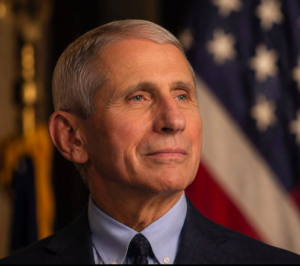
Anthony Fauci’s Legacy: Decades of Fighting Infectious Diseases Beyond COVID-19
If you’re alive today, you’ve witnessed or learned about some of the world’s most dangerous infectious diseases. COVID-19, HIV/AIDS, Ebola, SARS, H1N1 swine flu, anthrax, tuberculosis, malaria, and other deadly illnesses have claimed millions of lives and challenged healthcare systems across the globe.
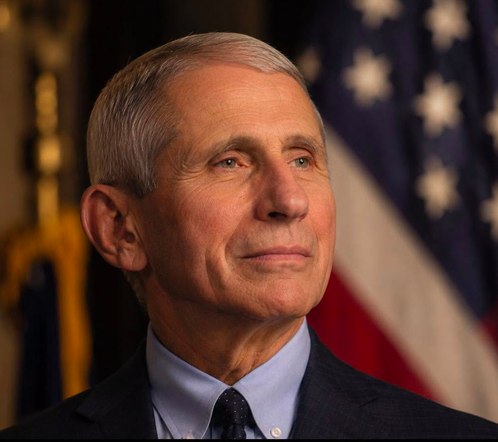
For more than five decades, Dr. Anthony Fauci was one of the most recognizable figures in America’s fight against infectious diseases. During his career in public health, he played key roles in advancing HIV/AIDS research, strengthening pandemic preparedness, supporting vaccine and treatment development, and helping shape responses to emerging viral outbreaks.
Fauci became a household name during the COVID-19 pandemic, but he also became one of the most polarizing public-health officials in recent history. Many critics have questioned his recommendations, public messaging, and the government’s handling of the pandemic, while supporters argue that many of his decisions were based on the best scientific evidence available at the time.
The debate surrounding Fauci continues to reflect broader disagreements over public-health policy, government authority, and the role of science during national emergencies. While opinions about his COVID-19 leadership remain sharply divided, many medical professionals note that his career extends far beyond a single pandemic.
Supporters point to his decades of contributions to infectious disease research, particularly his work on HIV/AIDS, where advances in treatment helped transform the disease from a near-certain death sentence into a manageable chronic condition for many patients. His involvement in research and preparedness efforts also influenced responses to outbreaks such as Ebola, SARS, and other emerging health threats.
Regardless of political perspective, the global fight against infectious diseases has relied on decades of scientific research, medical innovation, vaccines, treatments, and coordinated public-health efforts. These advances have prevented countless illnesses and saved millions of lives, even as debates continue over how governments and health officials should respond during future public-health crises.