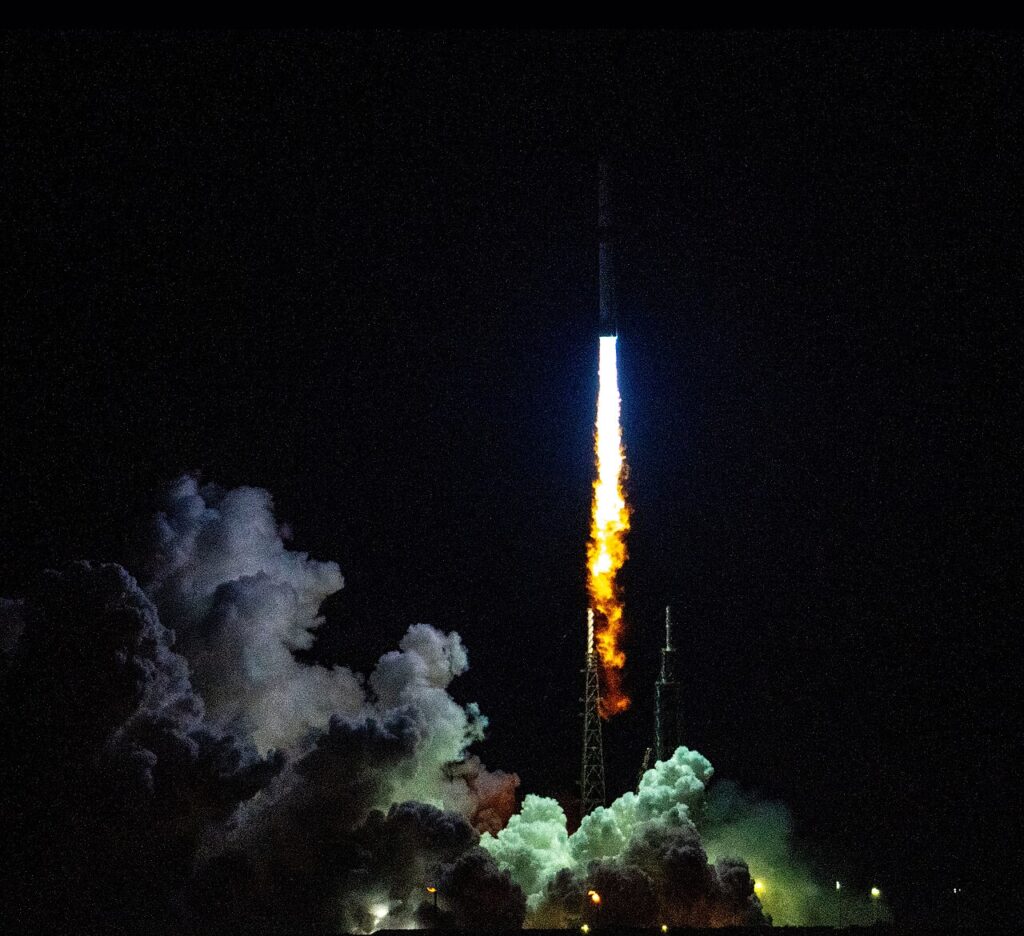

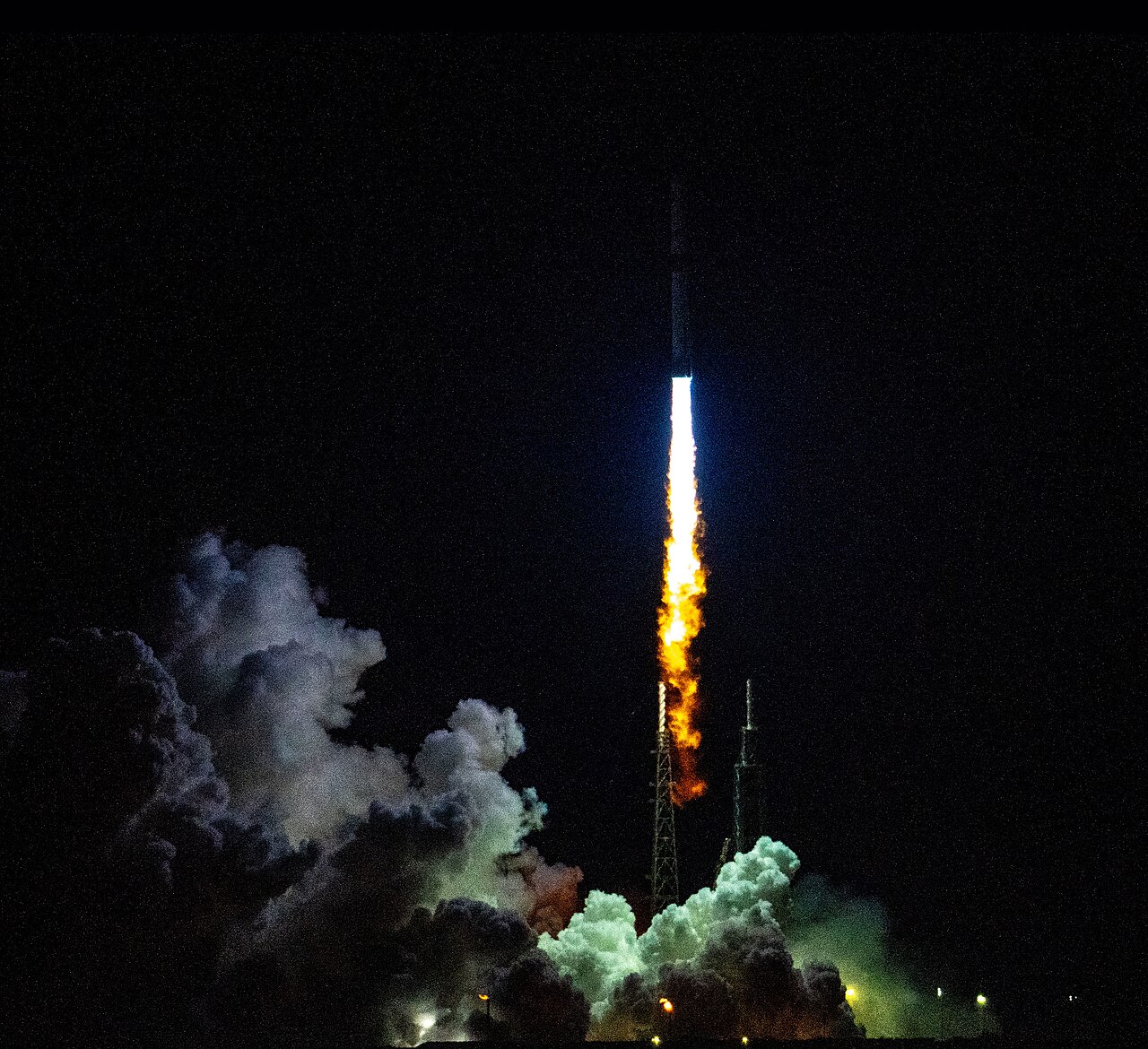
Blue Origin has pushed the return of its New Glenn rocket to January 2027, abandoning its target of flying again before the end of 2026, after a major explosion earlier this year wrecked its only Florida launch pad.
The revised schedule was disclosed in an internal memo from chief executive Dave Limp, seen by Reuters and first reported by the Financial Times on Thursday, November 5. New Glenn, the company’s flagship heavy-lift orbital rocket, has been grounded since it exploded in May during an integrated hot-fire test on the company’s only launch pad in Florida, just days before it was set to carry Amazon satellites into orbit.
A pad rebuilt, a schedule slipped
Limp told employees that summer weather had slowed the rebuild, but that the company had repaired and restacked the Vehicle Access Tower and restored the launch bridge as part of efforts to return to flight. The explosion on May 28 destroyed the rocket and badly damaged Launch Complex 36 at Cape Canaveral, where the 322-foot rocket had lifted off three times since its 2025 debut. Blue Origin later traced the event to a main oxygen valve on the BE-4 engines.
The delay is a comedown for a programme that only weeks ago looked on course for December. Founder Jeff Bezos told Fox News on October 7 that the company was targeting a December launch, even joking that it could happen as late as December 31. No exact January date has been announced, and the delayed mission was meant to carry Amazon internet satellites, though reports do not say how many.
New engines unveiled as the rocket waits
On the same day the delay emerged, Blue Origin used the UP.Summit conference in Florida to unveil two major additions to New Glenn: Northstar, a methane-fuelled booster engine built with 3D printing that aims to cost about a quarter of the BE-4 it supplements, and GS3, a hydrogen-fuelled third stage powered by a single BE-7 engine, which the company says will carry the first composite liquid hydrogen tank to fly in space. Blue Origin is targeting 2028 for GS3’s debut and says it has already secured a government customer for a cislunar mission.
The delay compresses the schedule for Blue Origin’s contracted NASA lunar lander missions and puts pressure on next year’s Artemis programme flights. The next milestone is a static-fire test of the modified rocket ahead of the January window.
Related coverage: Artemis II Rocket Tore Hole in Atmosphere, Disrupting GPS Signals | Tesla to Wind Down Cybertruck Production by Mid-2027, Musk Says