
Boeing plans to cut about 5% of the workforce in its commercial airplanes division because production of the 737 MAX is ramping up more slowly than planned, the company’s commercial chief told employees in a memo on Monday 9 November. The division employed 50,494 people at the end of 2025, according to Boeing’s website, which implies roughly 2,500 jobs — although Boeing has not confirmed a specific number.
Stephanie Pope, president and chief executive of Boeing Commercial Airplanes, said in the memo, reviewed by Reuters, that the company needed to “reset the pace of our production rate ramps to provide our factories and supply chain partners additional time to achieve stability”. She added: “Adjusting our production schedules and reducing aircraft output puts us in an overstaffed position. Unfortunately, that means we need to align our staffing levels to our revised business plan.”
The reduction will come through a combination of attrition and involuntary layoffs, with formal layoff notices going out from December at the earliest. Boeing is required in many states to give workers 60 days’ notice. No layoffs are expected in November, and the company has not said how the cuts will be distributed across sites or job categories.
A slower 737 ramp
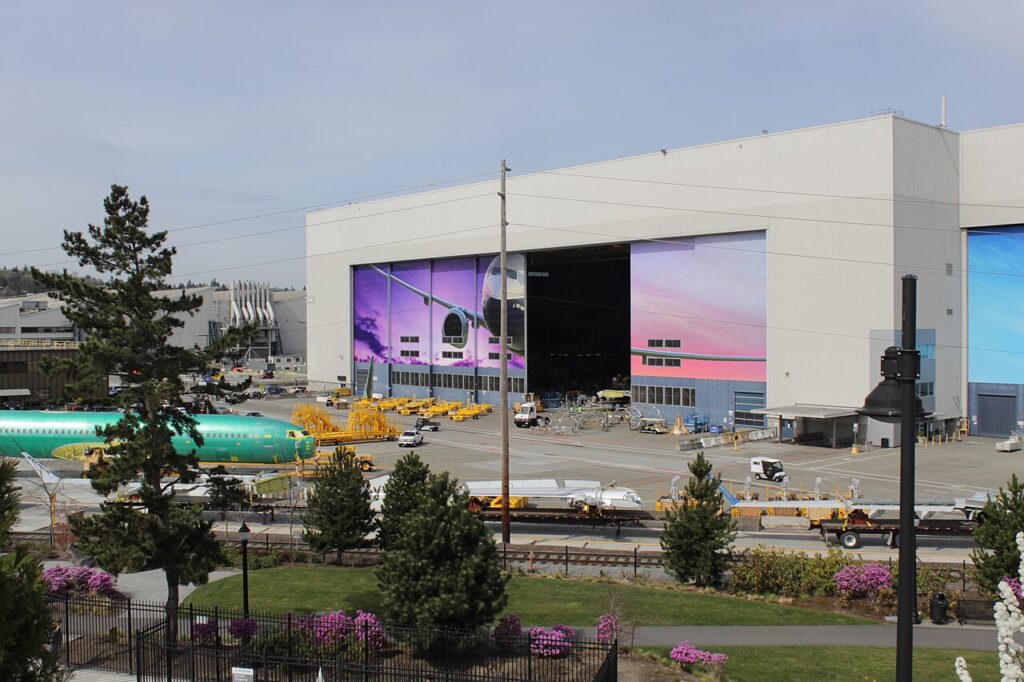
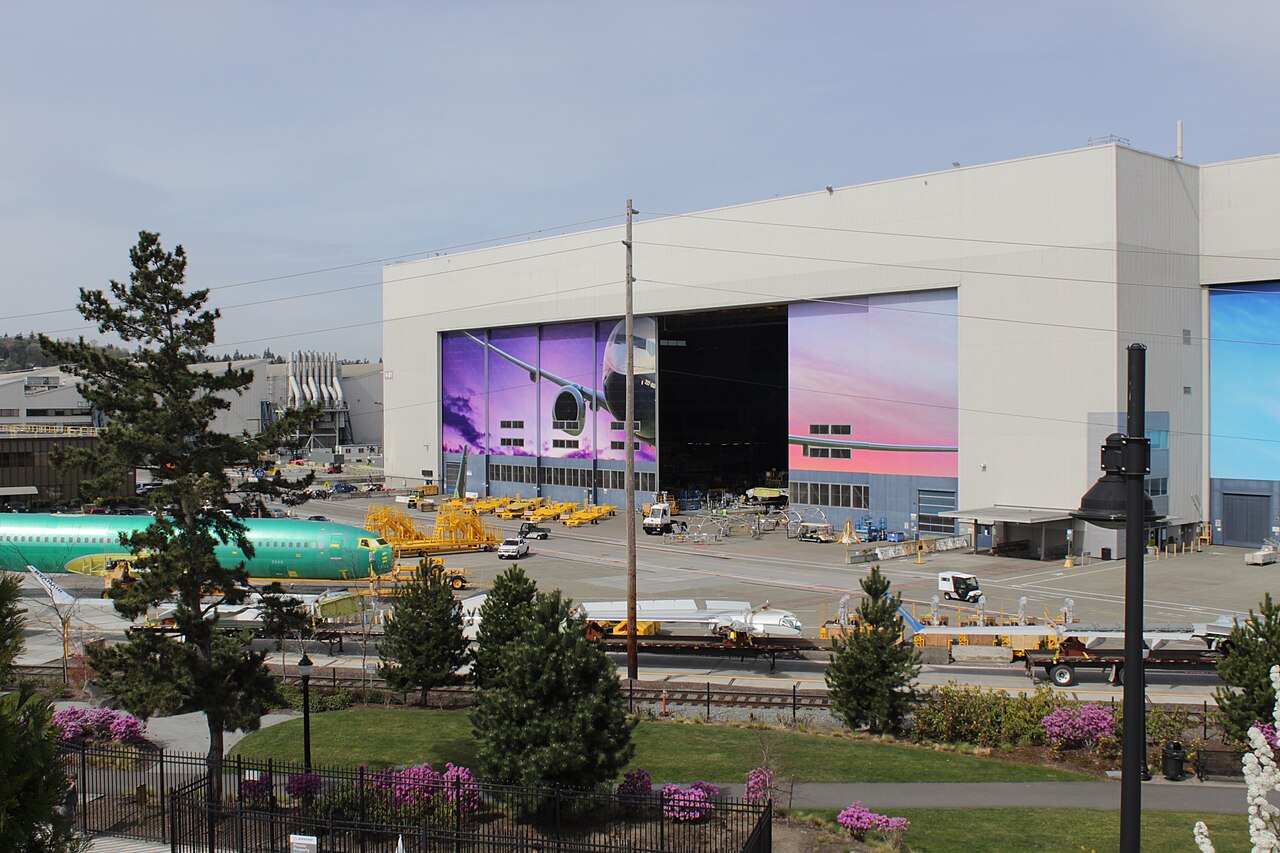
Boeing is working to stabilise 737 production at 47 aircraft a month, a target that has now been pushed into 2027, according to Leeham News, which reviewed the memo. Chief executive Kelly Ortberg told analysts last month that the company would miss its 737 production and delivery targets this year, and CNBC reported that a significant ramp-up of output is now not expected until the second half of 2027.
The International Association of Machinists and Aerospace Workers’ District 751 said it had been notified of the company’s plans, according to reports. A separate message to local employees said staff in Wichita, Kansas, and Tulsa, Oklahoma, were not being considered for layoffs, voluntary separation or early retirement.
Backlog still huge
The cuts come despite a commercial backlog of more than 6,300 aircraft valued at a record $612 billion at the end of the third quarter, according to CNBC. The tension between that order book and the factory’s slower ramp is the core of Boeing’s problem: demand is not the constraint, production stability is.
Boeing shares edged lower on the news on Monday. The company has spent the past two years rebuilding its manufacturing and safety systems after a series of production crises, and Ortberg has repeatedly said stability must come before speed. The December notices will be the first test of how far that reset reaches into the workforce.
Sources: Reuters via SRN News (9 Nov 2026); Leeham News (9 Nov 2026); CNBC via Stocktwits (9 Nov 2026).