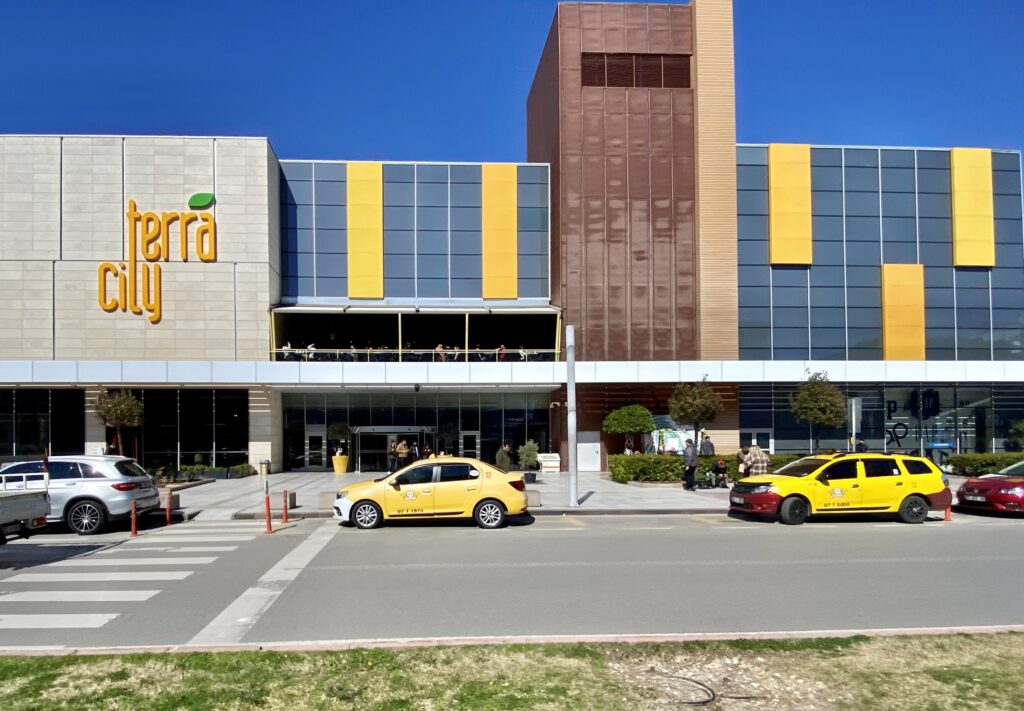

Climate talks at COP31 in Antalya have stalled in their final stretch, with ministers warning that time is running short and no formal UN decisions adopted yet. More than 100 ministers joined late-night Divan talks on Wednesday, a Turkish tradition of counsel and collective judgment invoked by the presidency to break the deadlock, as negotiators remain split over fossil fuels, climate finance and the pace of the energy transition.
The summit, which opened on November 9 in Turkiye’s Mediterranean city and closes on Friday, November 20, has produced agreed texts on 34 of its 160 agenda items, but 21 mandated issues have yet to reach a resolution, according to a midweek assessment by the Turkish presidency and Australia, which leads the negotiations. One major track on agriculture has already been postponed until next year.
Draft text divides delegations
A first draft of the final text, published on Monday, envisages increasing annual adaptation finance for developing countries to at least $120 billion by 2035 and accelerating the transition away from fossil fuels. African delegations criticised the draft, warning that broad political language could distract from substantive negotiations on finance and leave developing countries without the support needed to move away from fossil fuels. Developed countries have not agreed on the $120 billion figure, with a smaller sum of $100 billion also under discussion, according to delegation sources.
The finance agenda is totally blocked right now, according to Bill Hare, a lead author of an Intergovernmental Panel on Climate Change report. Turkiye’s electrification pledge, aiming to raise electricity’s share of global final energy use from 23 percent to 35 percent by 2035, has secured backing from over 30 countries including the UK, Germany and Finland, although delegations remain split over whether it should be written into the final agreement.
Closing plenary looms
Following the overtime Divan discussions on Wednesday night, delegates plan to initiate closing plenary sessions on Thursday with the aim of adopting draft decisions. Nearly 200 nations launched the second five-yearly Global Stocktake this week, the check on collective progress under the Paris Agreement. The International Energy Agency warned on Thursday that the Hormuz crisis has shocked the energy system, adding urgency to the energy security debate in Antalya. With the summit due to close on Friday, negotiators face a race to turn a contested draft into a deal.
The stalemate stands in contrast to COP31’s earlier methane pledge of $480 million to cut emissions fast.