
Costa Rica denied entry on Thursday, 26 November 2026, to Francesca Albanese, the United Nations special rapporteur on the Palestinian territories, after the government said she was the subject of an “international alert over links to terrorist acts” — a decision that drew sharp criticism from the UN’s human rights chief.
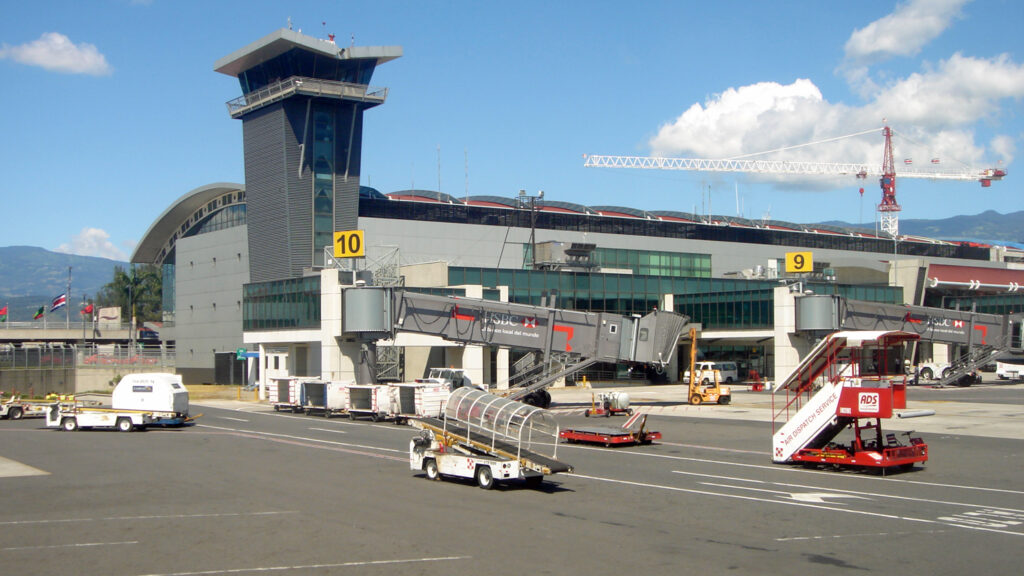
Albanese, an Italian national, had travelled to Costa Rica to receive an honorary doctorate from the state-run University of Costa Rica. She was stopped at Juan Santamaria International Airport, which serves the capital, San Jose, and held there overnight before being moved to a nearby hotel on Friday evening ahead of travelling to Mexico on Saturday.
Held at the airport
Omer Badilla, director general of Costa Rica’s immigration authority, announced the decision in a video posted on social media, saying Albanese “was refused entry to the country because she is the subject of an international alert due to links to terrorist acts.” The UN human rights office said on X that she was denied entry on “claimed national security grounds,” while Costa Rica’s migration office said it had acted after receiving an alert and that the decision was consistent with national security measures.
In a video call from the airport, Albanese said authorities took her passport and offered her a detention room so smelly she almost became ill. She called the refusal “a disgrace” and said she hoped Costa Rica would reverse the decision, rejecting what she described as efforts to link her to terrorism. A Costa Rican court later issued an interim order blocking her removal while it reviews a challenge to the decision.
UN rights chief raises alarm
UN human rights chief Volker Turk said on Friday that he was “deeply concerned” by Costa Rica’s decision to bar Albanese from entering the country and urged authorities to reconsider. Albanese, who has accused Israel of genocide in Gaza, has become one of the most prominent — and most controversial — UN officials working on the Palestinian territories.
Albanese has previously been sanctioned by the United States under measures related to the International Criminal Court, and is blacklisted from using American credit cards and carrying out certain banking transactions. Her supporters say she is being punished for her criticism of Israel; her critics accuse her of bias.
A shifting foreign policy
Costa Rica’s move also highlights the small Central American country’s increasingly close alignment with Washington and Israel on security and foreign policy under President Laura Fernandez — a notable shift for a country long associated with support for multilateral institutions. The government has deepened cooperation with the United States on security in recent years.
The standoff comes as the Gaza ceasefire remains under strain, with the UN warning of displacement, and as the UN’s role in the Palestinian territories faces growing political pressure from several governments. Whether Costa Rica’s courts will overturn the entry ban, and whether Albanese will return to collect her honorary doctorate, remains to be seen.