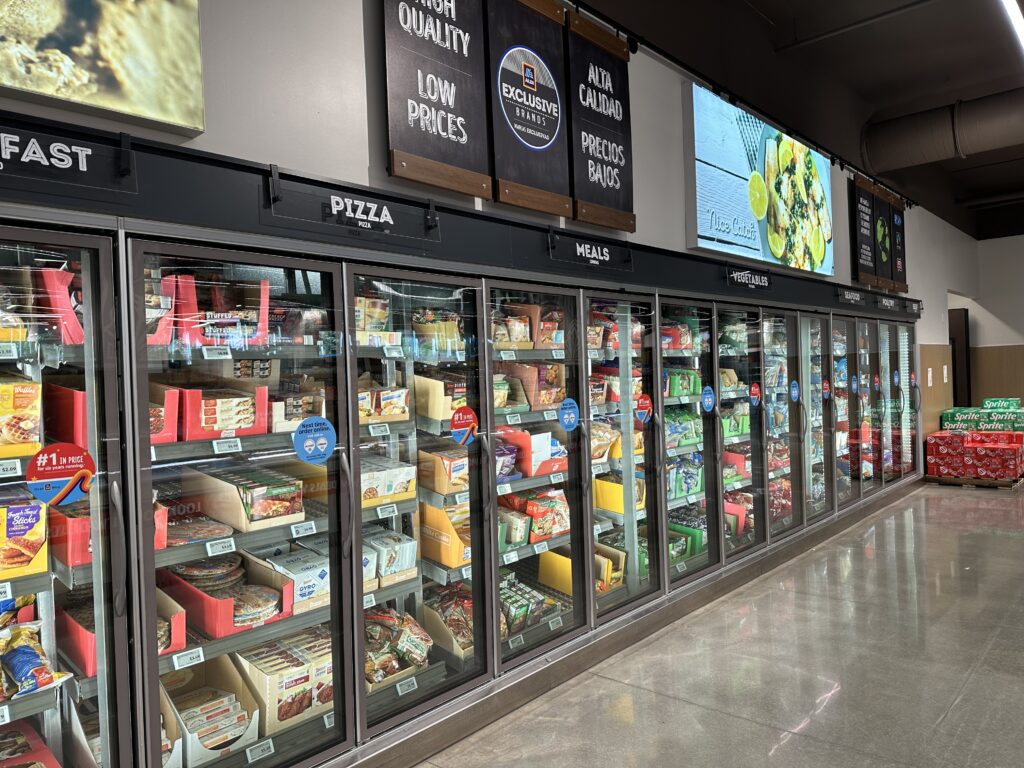

A cyberattack hits supermarket freezers across nine European countries, forcing stores to discard spoiled food after hackers remotely raised refrigeration temperatures overnight between Sunday and Monday. Belgium, Estonia, Finland, Ireland, Italy, Luxembourg, the Netherlands, Portugal and Sweden all reported disruptions, according to AFP reporting summarised on Tuesday. In Belgium, the attack affected dozens of stores, including about 40 Delhaize Proxy supermarkets, 15 Carrefour Shop & Go stores, 15 Intermarché shops and five Spar outlets, while Carrefour Belgium confirmed about 15 of its 700 stores were hit. In Ireland, 13 SuperValu outlets withdrew chilled and frozen products as a precaution. In Sweden, Coop said six of its roughly 800 stores were hit, alongside several ICA outlets, and one ICA store reported its units had been set to 50 degrees Celsius. The method, as described by refrigeration company Sabcobel to the Belgian news agency Belga, involved attackers remotely switching evaporators into defrost mode from around midnight on Sunday, causing temperatures inside the units to rise. In Estonia, a supermarket chain reported temperatures raised to 50 degrees, according to public broadcaster ERR.
A deliberate attempt, says the EU
European Commissioner for Agriculture and Food Christophe Hansen described the wave of attacks as a deliberate attempt to disrupt the EU’s food supply chain and undermine consumer confidence. Belgian federal prosecutors have opened a criminal investigation, and retailers in several countries said the disruption could only have been caused by a cyberattack, not by equipment failure. The incident follows a similar attack in France on 12 October, when hackers seized control of cooling units at hundreds of supermarkets, raising temperatures and causing fires and food losses, according to police accounts cited in Tuesday’s coverage. France’s cybersecurity agency is investigating that attack, and no actor has been held responsible for either wave so far.
Why connected fridges are vulnerable
Cybersecurity specialists quoted in the coverage warn that remotely managed refrigeration systems, often connected to the internet for monitoring and control, have become a point of failure for the cold chain. Some affected installations used control technology from the Danish company Danfoss, and in the Netherlands the company told broadcaster NOS that at least 17 businesses were targeted, including butcher shops, neighbourhood stores and a frozen-food storage facility. In the UK, which has not been affected in this wave, retailers are working with the National Cyber Security Centre to secure fridges and freezers, according to the British Retail Consortium. UK meat suppliers also reported overnight tampering with fridges on systems run by Dixell XWEB software, and the trade body reported the matter to the NCSC, extending the concern beyond the nine countries already confirmed.


