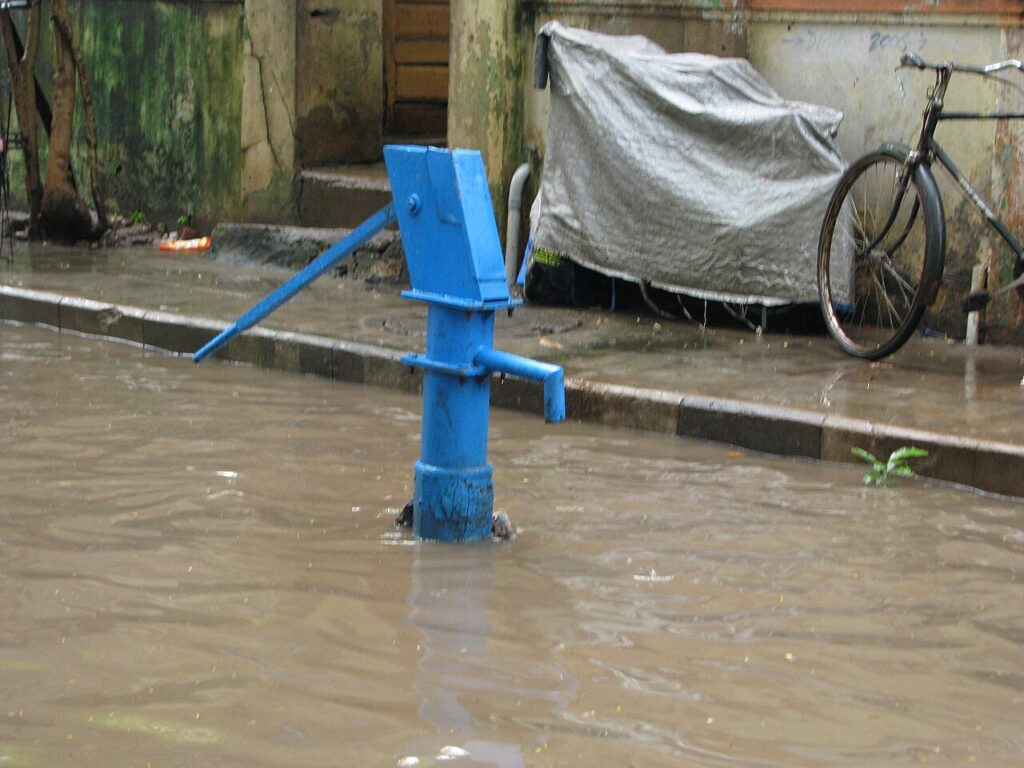

Cyclone Murasu weakened into a depression over east Telangana and adjoining coastal Andhra Pradesh on November 4, 2026, a day after crossing the south Andhra Pradesh coast near Ongole, the India Meteorological Department (IMD) said. The system is expected to weaken further into a well-marked low pressure area, though heavy to very heavy rain at isolated places in north coastal Andhra Pradesh and east Telangana, and heavy rain in parts of south Odisha, south Chhattisgarh and north Tamil Nadu, remain a concern.
Severe Cyclonic Storm Murasu crossed the coast between Nellore and Narasapur, close to Ongole in Prakasam district, between 3:30am and 5:30am IST on November 3, with winds of 100 to 110 kmph gusting to 120 kmph, according to the IMD’s bulletin. It had weakened to a cyclonic storm by the afternoon and to a deep depression by the night, about 70 kilometres west-southwest of Vijayawada, before its remnant weakened further into a well-marked low by 11:30am on November 4, when the IMD issued its last bulletin on the system.
Two dead, crops flattened, ₹344 crore first estimate
The storm’s toll, though far below the worst fears for a severe cyclone, was still heavy for farming communities. At least two people died in Bapatla district, the Andhra Pradesh State Disaster Management Authority (APSDMA) said: a 25-year-old man in Chinnaganjam and a 65-year-old woman in Karamchedu, both killed when buildings collapsed on them, according to APSDMA managing director Prakhar Jain. Standing crops were hit on 52,459 hectares across 15 districts, with Krishna, Bapatla and Nandyal worst hit — paddy accounting for 30,661 hectares, cotton 21,474 and maize 605, according to The Hans India’s breakdown.
The preliminary loss estimate stands at at least ₹344 crore, Jain said, though officials stressed the figures will change: the formal damage assessment has not been completed and the estimate predates a full count of flooded paddy. About 12,230 people were staying in relief camps in Guntur, Bapatla and Palnadu, the worst-affected districts, including 3,066 pregnant women and 1,008 nursing mothers moved to hospitals. The storm brought down 2,750 electricity poles and damaged 312 houses across 132 mandals.
Rain not over yet
The rain is not over. The IMD said extremely heavy rainfall of 21 to 30 centimetres fell over coastal Andhra Pradesh, Yanam and Telangana in the 24 hours to 8:30am on November 4, with the highest totals at 23.82 centimetres at Mulakalapalle in Telangana’s Bhadradri Kothagudem district and 21.04 centimetres in West Godavari district. A moderate flash flood risk remains in parts of coastal Andhra Pradesh, and the IMD flagged heavy to very heavy rain at isolated places in north coastal Andhra Pradesh and east Telangana for November 4.
There is a paradox in the deluge: Murasu’s rain nearly halved a seasonal deficit that had left much of Telangana and Andhra Pradesh under drought advisories. For farmers counting flattened paddy, the question now is whether relief and compensation arrive as fast as the rain did.