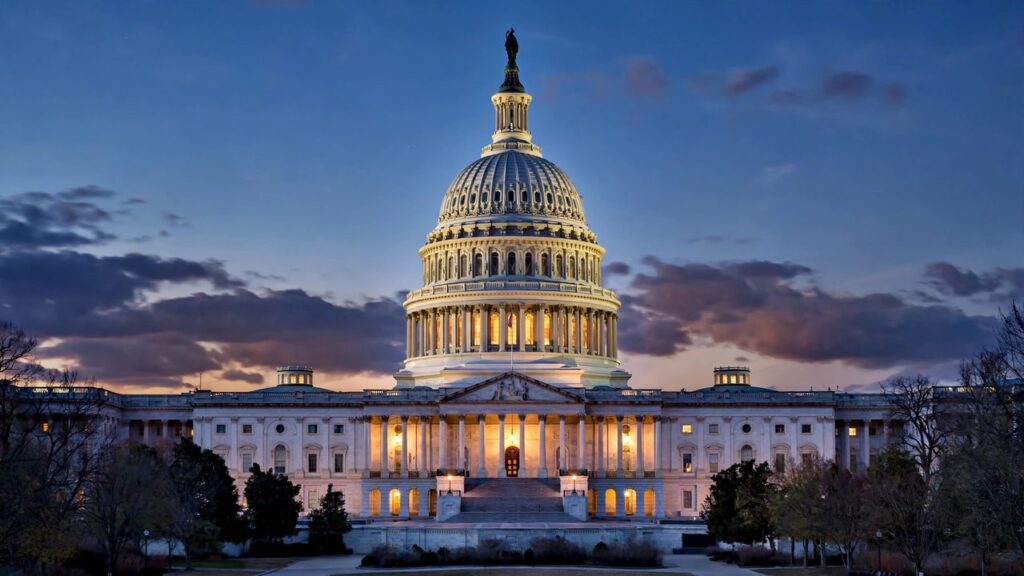

With less than two weeks until the November 3 midterm elections, Democrats are gaining ground in several closely watched congressional races, putting control of both chambers within reach as voters weigh economic concerns and the direction of the country under President Donald Trump.
New election forecasts suggest the political landscape is shifting. Decision Desk HQ’s October 21 projection gives Democrats a 78 percent chance of reclaiming the House of Representatives, with a median forecast of 236 seats. The same model places their chances of capturing the Senate at 56 percent, projecting a narrow 51-seat majority.
The battlegrounds driving the shift
North Carolina has emerged as a major battleground. Former Democratic Governor Roy Cooper is leading Republican Michael Whatley in public polling for an open Senate seat, making the contest one of the party’s strongest opportunities to gain Republican-held territory.
Minnesota is also drawing attention. The Cook Political Report moved the race to Lean Democratic on October 20, giving Lieutenant Governor Peggy Flanagan an advantage over Republican Michele Tafoya in the contest to replace retiring Senator Tina Smith.
Even red states are tightening
Even South Carolina is showing signs of increased competition. Cook shifted its assessment of the special election involving Democrat Annie Andrews and Republican Darline Graham from Likely Republican to Lean Republican, reflecting a tightening race.
Across the country, economic pressures and dissatisfaction with Washington are helping shape voter sentiment. Democratic candidates are looking to capitalize on those concerns in competitive districts, while Republicans work to defend their congressional majorities. The final stretch will determine whether these polling advantages translate into actual victories, with the balance of power in Washington hanging on a handful of critical races.
Forecasts are not predictions of a final result, and the models themselves stress that a 78 percent chance still leaves a substantial chance of a different outcome. Polling can shift in the final days, undecided voters can break late, and turnout on Election Day itself can differ sharply from the early-vote electorate. That uncertainty is why both parties are spending heavily on turnout operations, even in states where one side currently leads in the polls.


