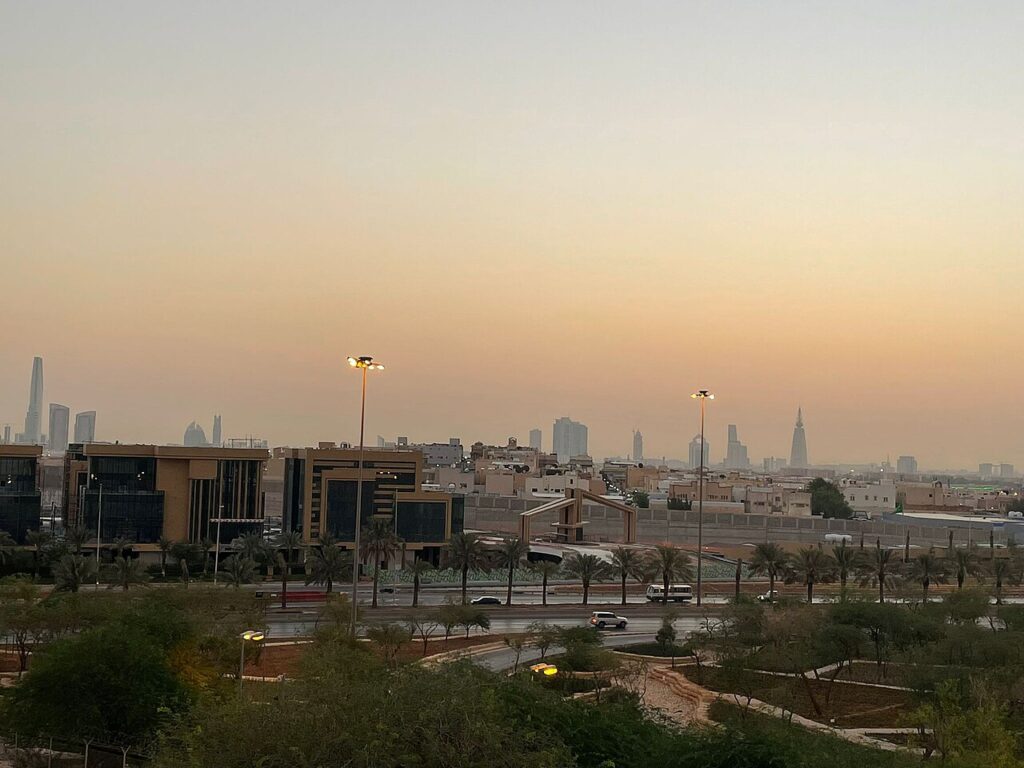


The second summit between the European Union and the Gulf Cooperation Council, due to take place on October 24, 2026, in Riyadh, Saudi Arabia, has been postponed indefinitely, according to the Presidency of the European Council, as reported by Agence Europe on October 15.
The postponement, announced on October 15, means the meeting has no new date. The EU Presidency said the Union remains committed to deepening the partnership and sustaining the momentum built since the first EU-Gulf summit, held in October 2024.
The Gulf Cooperation Council comprises Bahrain, Saudi Arabia, Kuwait, Oman, Qatar and the United Arab Emirates. A summit between the two blocs is a rare, high-level forum for trade, energy, security and regional diplomacy, and its postponement underlines how unsettled the regional security picture has become.
Security concerns in the region
Agence Europe noted that Saudi Arabia, including Riyadh Airport, has been the target of attacks by Houthi forces from Yemen. That security backdrop forms part of the context for a decision to delay a gathering that would have brought dozens of leaders and delegations to the Saudi capital.
The postponement also comes at a sensitive moment for Europe’s wider diplomacy. EU leaders had just concluded their own summit in Brussels on October 15 and 16, where conclusions covered the Middle East, European defence and security, and migration, alongside Ukraine and the bloc’s budget.
Officials have not publicly set out a full list of reasons for the delay beyond the Presidency’s statement, and no replacement venue or date has been announced. Diplomats will now watch whether the summit is rescheduled quickly or slips into a longer pause.
What the partnership covers
EU-Gulf cooperation spans energy supplies, trade and investment, climate action and regional stability. For Gulf states, the EU is a major trading partner and a source of technology and investment. For Europe, Gulf energy and investment matter at a time of high energy costs and intense competition for reliable supplies.
The first summit in October 2024 was presented as a step towards a deeper strategic partnership. A second meeting was expected to review progress and set new priorities, including on economic diversification in Gulf states and on shared concerns about conflicts in the wider Middle East.
Until a new date is set, the partnership will continue through ministerial and working-level contacts, officials indicated. But the indefinite postponement is a reminder that even carefully planned diplomacy can be overtaken by security events on the ground.


