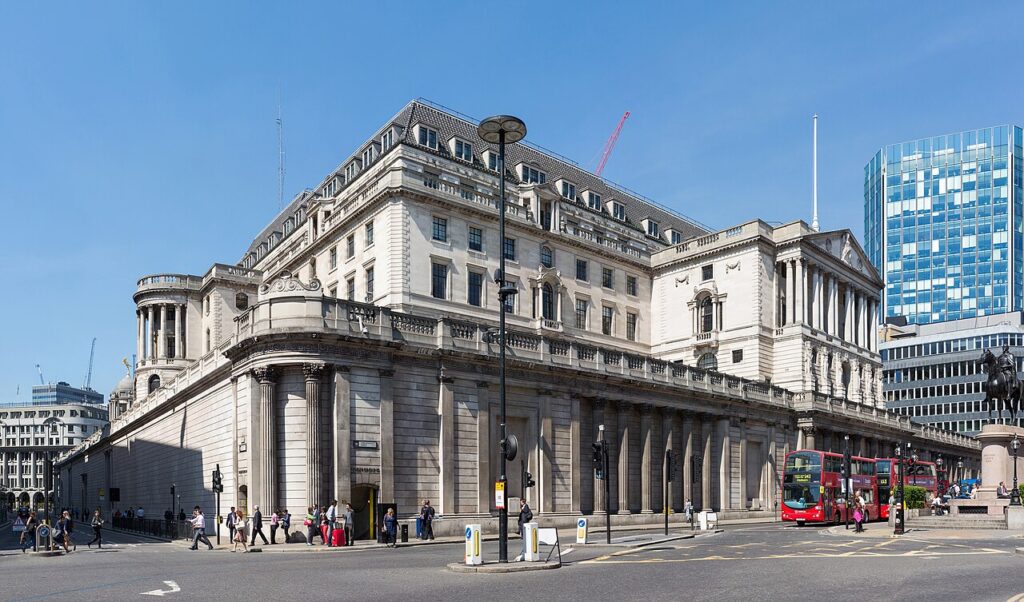

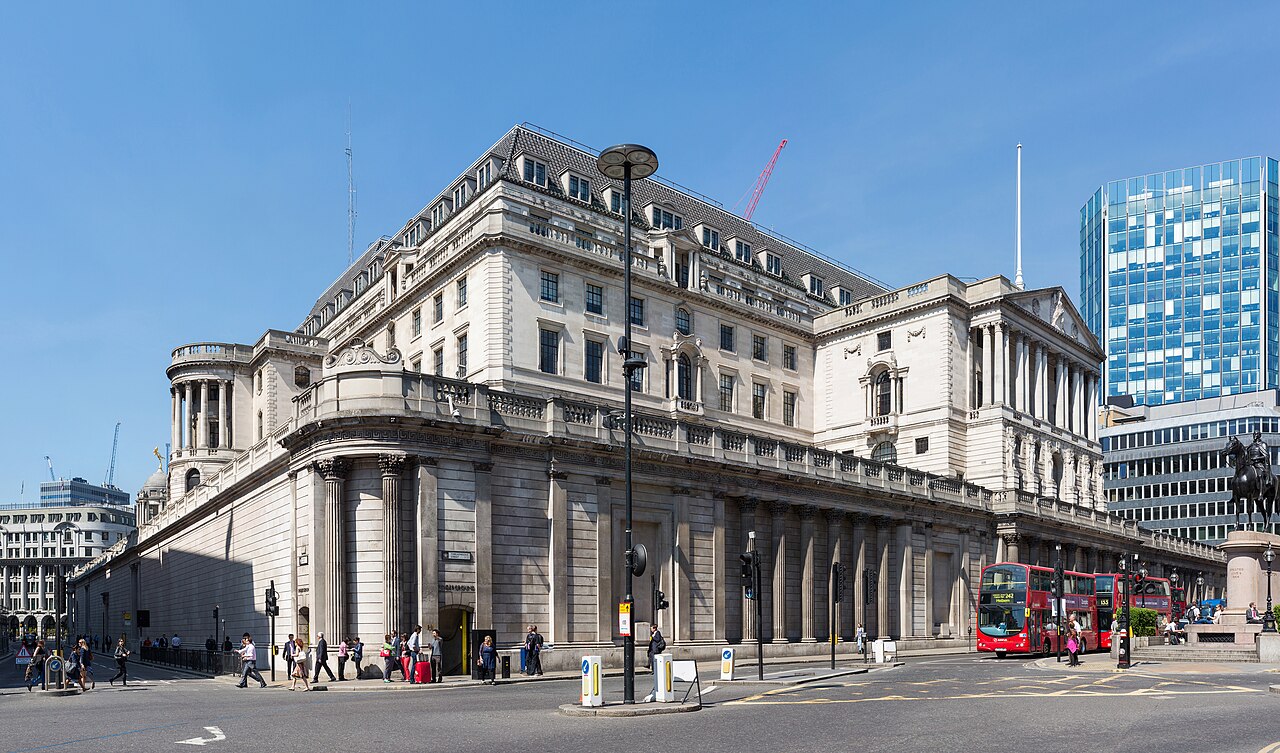
Central bank decisions in a single week will test global markets as five major central banks announce policy choices within three days, from October 28 to 30, in an unusually concentrated calendar.
The Federal Reserve, the Bank of Canada and the Reserve Bank of New Zealand are scheduled for October 28, the European Central Bank for October 29 and the Bank of Japan for October 30, according to Global Economy Charts. An energy-price shock, inflation uncertainty and doubts about the pace of AI investment make the timing unusually consequential.
Even if all five banks leave rates unchanged, revisions to projections or the wording of future guidance may move short-term borrowing costs and affect assets from mortgages to long-duration technology equities, the analysis notes.
Five banks, five starting points
The starting points differ sharply. The Federal Reserve currently targets 3.75 to 4.00 percent, the ECB deposit facility is at 2.50 percent, Japan’s policy rate is 1.25 percent, Canada’s overnight rate is 2.25 percent, and New Zealand’s official cash rate is 2.75 percent, according to the same analysis.
Those are distinct operating benchmarks and should not be mistaken for comparable government-bond yields, the report cautions. Rate differentials can influence currencies, but exchange-rate risk and hedging costs mean simply buying the highest-yielding currency is not a free profit opportunity.
Why this week matters more than usual
The decisions arrive against a difficult backdrop. In the United States, consumer inflation has exceeded the Federal Reserve’s 2 percent target for 67 consecutive months, according to market reporting, while Japan’s government and central bank are openly divided over whether deflation has truly ended.
Markets can reprice multiple currencies and yield curves in quick succession when decisions land so close together. For households, the practical stakes are mortgage rates, car loans and credit-card borrowing costs; for businesses, the cost of investment. By the end of October 30, the world will have a much clearer picture of whether the global tightening cycle has further to run.
For borrowers, the week is a reminder that mortgage and loan rates respond to more than one central bank. Decisions in Washington, Ottawa, Wellington, Frankfurt and Tokyo within 72 hours can move global bond yields together, and the combined message from all five will matter more than any single decision alone.



Pingback: China Urges US to Halt Expansion of Outbound Investment Curbs - ReportRig.com
Pingback: Japan Shifts to Wage-Driven Inflation Phase, Finance Minister Says - ReportRig.com