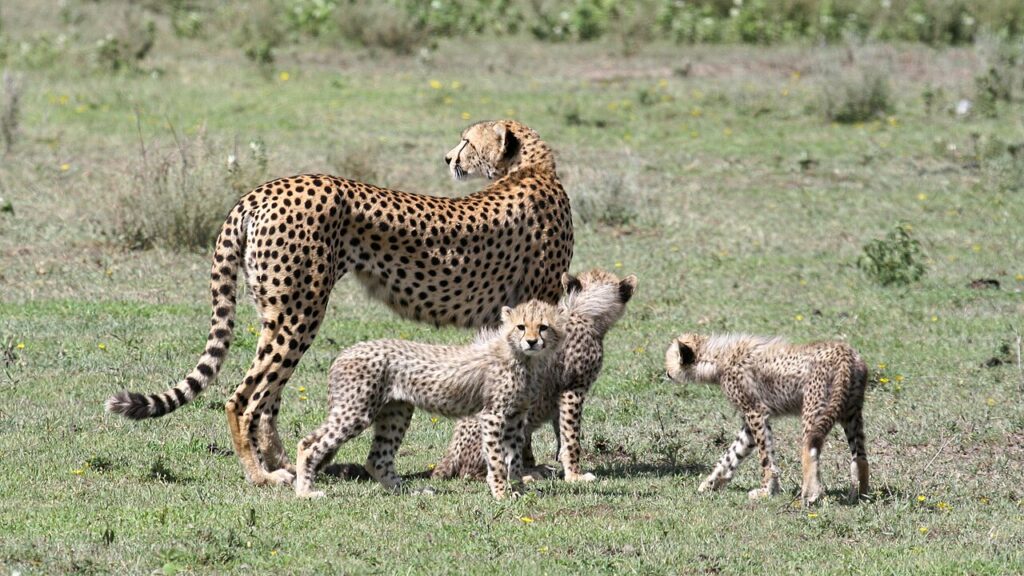

Five cheetah cubs were born on October 5 to Zura at the Smithsonian Conservation Biology Institute, according to The Daily Uplift’s good-news roundup on October 21, 2026, citing Smithsonian sources. For a species classified as vulnerable, five healthy cubs is news worth celebrating. Cheetahs are the world’s fastest land animal, but they are also among its most fragile. Habitat loss, human-wildlife conflict and low genetic diversity have put pressure on wild populations, making every successful birth in conservation care a small but real contribution to the species’ future.
A litter of five
A litter of five is a generous one for a cheetah, and the Smithsonian’s announcement was shared widely by animal lovers. The cubs, born to Zura at the institute’s Virginia facility, will be monitored closely in their early weeks, when cheetah cubs are at their most vulnerable. The Smithsonian Conservation Biology Institute plays a dual role: caring for animals in its facilities and supporting research that helps wild populations. Births like Zura’s litter provide both public joy and scientific insight into cheetah reproduction and cub development.
Hope for a vulnerable species
Cheetahs cannot be saved by captive births alone — wild habitat and coexistence with local communities matter more. But stories like Zura’s five cubs remind the public why the species matters, and why conservation funding and attention are still needed. For now, the cubs are doing what cheetah cubs do: growing, playing and, in time, learning to run. Five new cheetahs, born in October, are five more reasons to believe the species has a future.