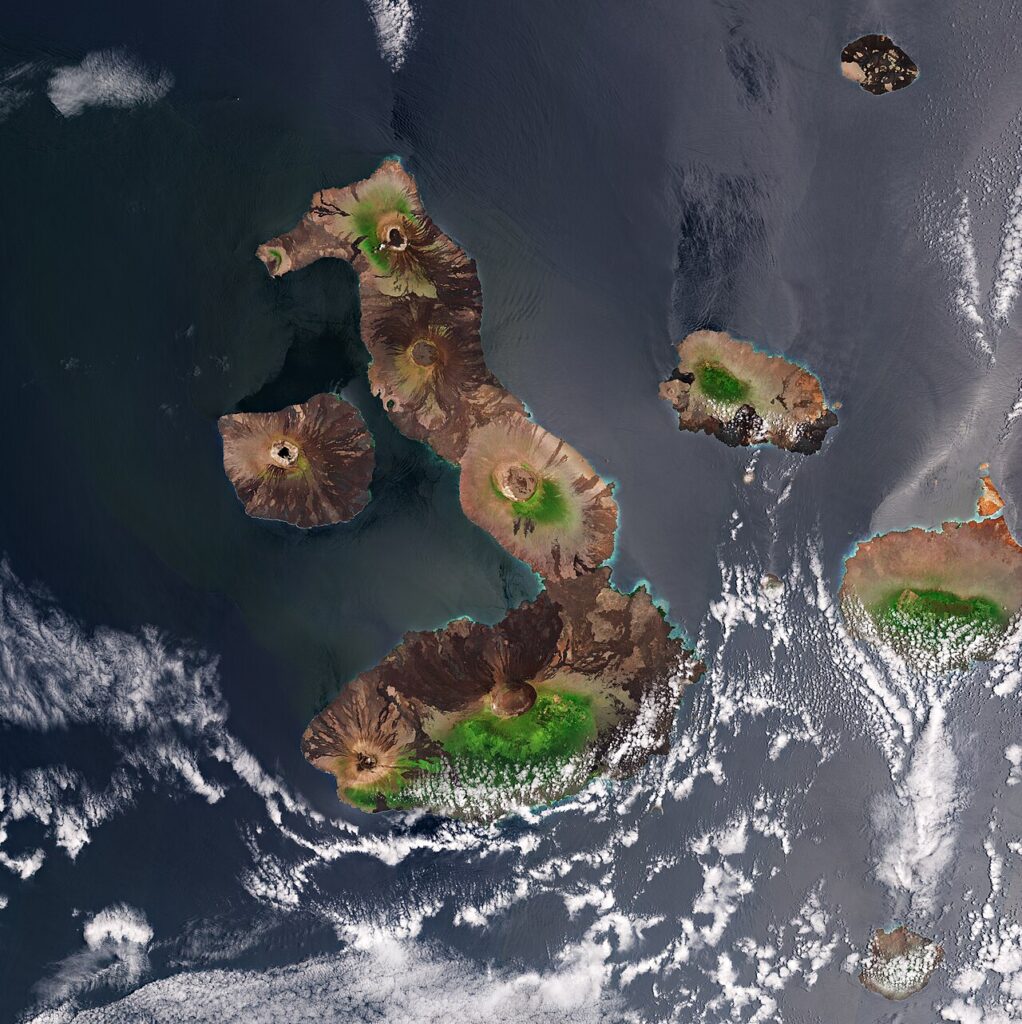

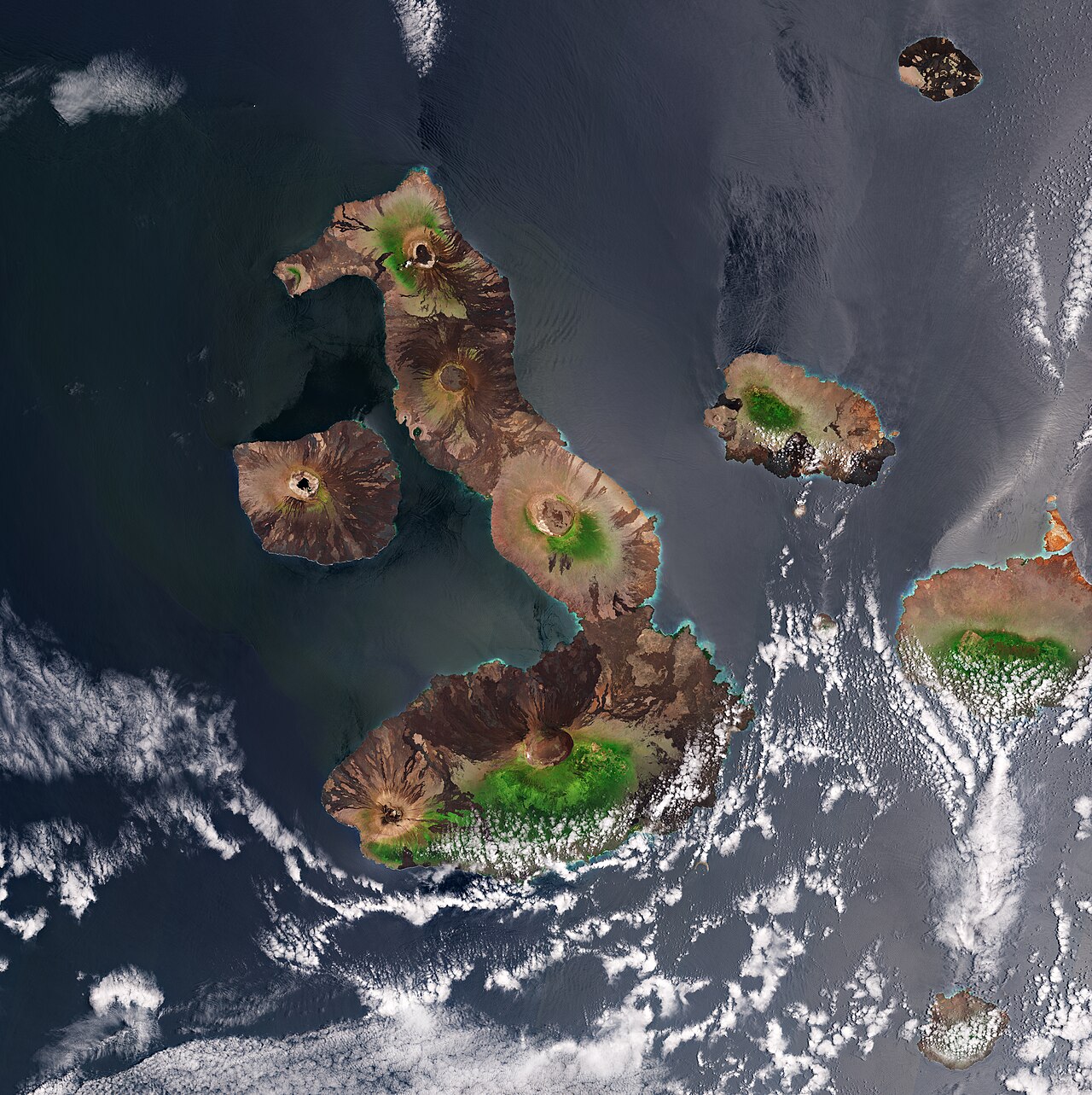
Historic flooding in Ecuador’s Galapagos Islands has killed at least two people and left four missing, local authorities said, after torrential El Nino rains dumped the equivalent of eighteen Octobers’ worth of rain in a single night on Santa Cruz Island and left about 2,000 families affected.
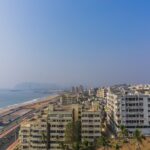
The rains began on Friday afternoon, 30 October, and continued through most of Saturday, flooding streets and homes in Puerto Ayora, the largest town in the islands. A weather station in Puerto Ayora recorded 212 millimetres of rain in 24 hours, the second-highest 24-hour total ever recorded in the Galapagos, according to local reports. A separate reading from the INAMHI station in town measured 196 millimetres in 24 hours — nearly twice the old record and almost twenty times the monthly average of about 11 millimetres for a normal October. The two readings come from different stations; both describe a deluge without precedent on the island.
One person died in Bellavista that night, and by Monday the count stood at two dead, with two missing in Divino Nino. Early reports from the ECU911 emergency service had confirmed one death and two missing; later reports put the missing at four. Residents of Puerto Ayora were pictured wading through waist-deep water on Saturday night, carrying their belongings to high ground,
An island overwhelmed
Santa Cruz Mayor Fanny Uribe told AFP that the scale of the rainfall had taken residents by surprise, describing it as an unprecedented event for the island. “We never imagined this would happen and our emergency services have been overwhelmed,” she said. The road to Bellavista was cut, the airport at Baltra closed for several hours on Saturday because of a power failure and water on the runway, and the pumps that supply the town’s water went under, leaving no water in the taps and, within a day, no bottled water in the shops.
About 70% of the La Cascada neighbourhood went under, with water reaching depths of up to three metres in some areas. The municipality estimates 2,000 families affected, and firefighters pulled three people out of a flooded house in La Fortuna on Monday morning. The Galapagos National Park closed four tourist sites on Santa Cruz and San Cristobal Islands, including parts of the Charles Darwin Centre; other reports put the closures at six.
The government declared a state of emergency in the archipelago, deploying heavy machinery and humanitarian aid by C-130 aircraft, and authorising a 90-day grace period on loan payments for affected farmers and fishermen. LATAM Cargo flew in nearly 13 tonnes of humanitarian aid, and the national risk secretariat flew in relief kits, food and clothing.
El Nino is only getting stronger
Ecuador’s national El Nino committee expects the impacts to continue through March 2027, with the meteorological institute forecasting the phenomenon to strengthen through November and December. Mainland Ecuador has also been hit, with severe flooding linked to El Nino killing at least 11 people across the country in total, according to a weekly disaster roundup.
Related coverage: Pilot Whales Final Toll: 43 Dead After New Zealand Stranding | Arcadia Cowboys Save 16 Cows and Donkey From Floodwaters