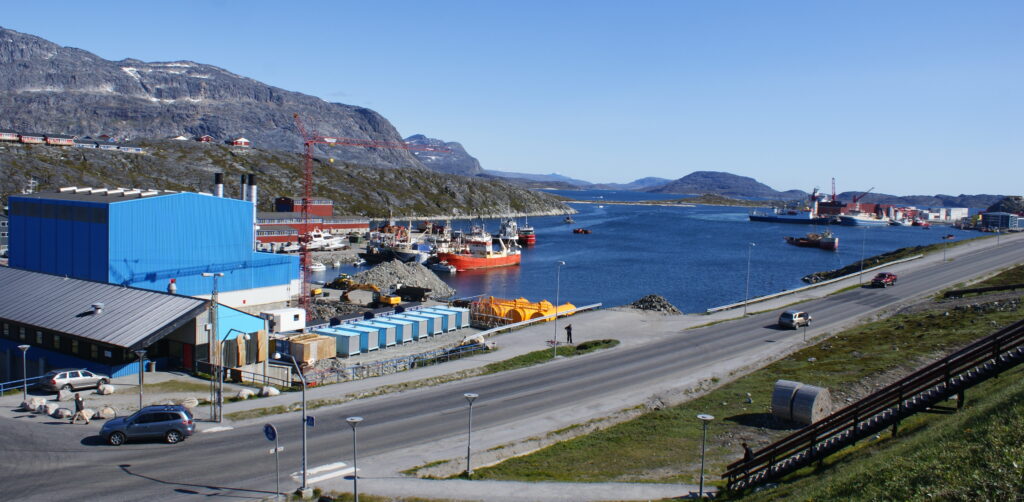

Greenland deep-sea mining ban was backed unanimously by Greenland’s parliament, which voted to ban deep-sea mineral extraction until at least the end of 2029, with possible two-year extensions, according to multiple reports of the vote on 15 and 16 October that remained a talking point in coverage on 27 October. The resolution mandates that the Greenlandic government introduce regulations that will remain in effect until the end of 2029, according to European Interest’s report.
Lawmakers aim to protect the marine environment and fish welfare, as fishing is vital to Greenland’s economy, according to the reports. More than 90 percent of Greenland’s exports come from the fishing industry, according to Greenland’s national statistics organisation cited in Mongabay’s coverage. The parliament’s measure, first proposed in February 2026 by Pipaluk Lynge of the Inuit Ataqatigiit party, directs the government to present a law in early 2027 to suspend seabed mining until at least 2029.
Timing after Trump’s Greenland claims
The vote took place one day after US President Donald Trump said “large-scale” oil, gas and mineral exploration was set to begin in Greenland, according to the reports. Trump stated on social media that large-scale exploration is underway on the island, but did not clarify if seabed extraction was included, according to European Interest. He emphasised the territory’s importance to US and European security, referencing a recent security agreement between the US, Denmark and Greenland.
Denmark’s foreign ministry clarified that US companies must comply with Greenland’s laws, and that the security document grants the US no special resource privileges, according to Investing News Network’s report. Greenland has not issued new oil and gas licences since 2021, according to the reports, and a Texas company, Greenland Energy, has yet to start drilling because it has not received approvals.
A decision to decide, not yet a permanent ban
The measure is a legislative mandate rather than an immediate permanent ban, according to Investing News Network. The formal legal instrument is expected to be adopted during parliament’s spring session in the first half of 2027, with the moratorium extendable in two-year increments after 2029. “This is a decision to decide. An important one, and not the same thing as protection,” Jenseeraq Poulsen, executive director of Oceans North Kalaallit Nunaat, told Mongabay.
WWF Greenland welcomed the vote, saying it represents an important step, as the effects of deep-sea mining on ecosystems are still insufficiently understood, according to Informat.ro. Of parliament’s 31 members, 17 were present, and all voted in favour across party lines, according to Mongabay. Greenland is described by the US Geological Survey as hosting the world’s largest undeveloped rare earth deposits, which is why the vote matters far beyond Nuuk: it narrows options for miners to land-based developments, and asserts Greenland’s right to decide for itself which resources are worth exploiting.