
Hyundai posted its best October ever in the United States, selling 73,452 vehicles, up 5% from 70,118 a year earlier, according to the company’s monthly sales release. Retail sales climbed 9% to 62,646 units, and total US sales through October reached 770,916, up 3% year on year.
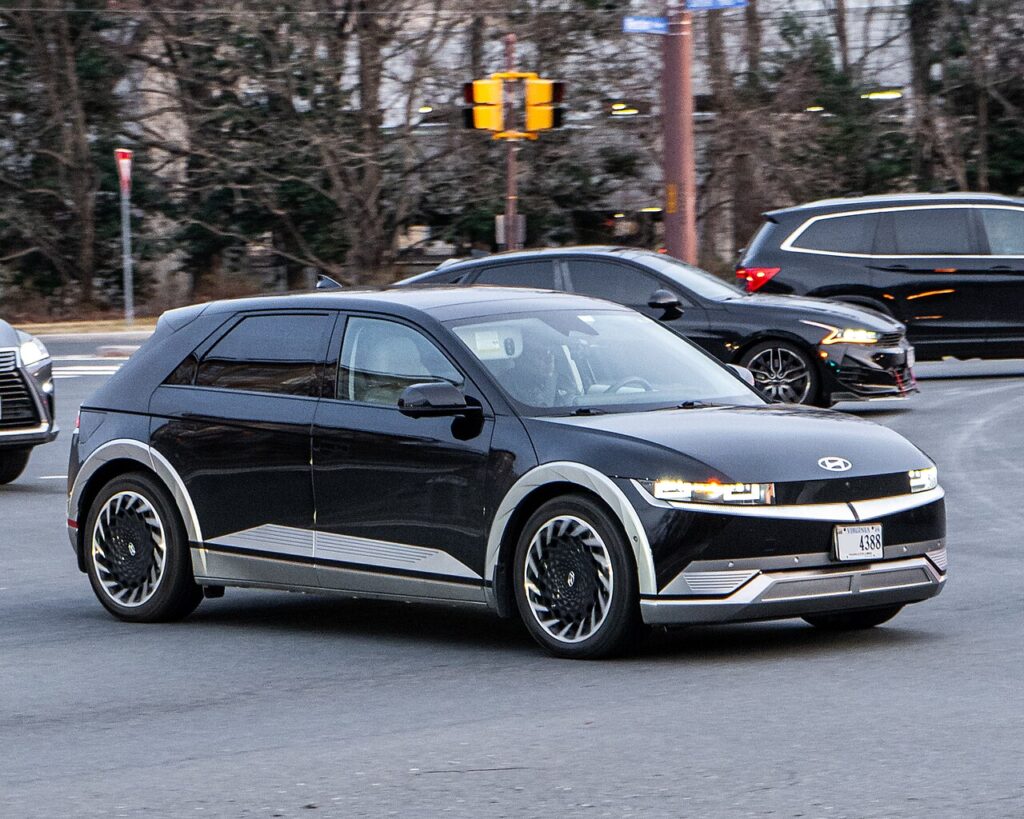
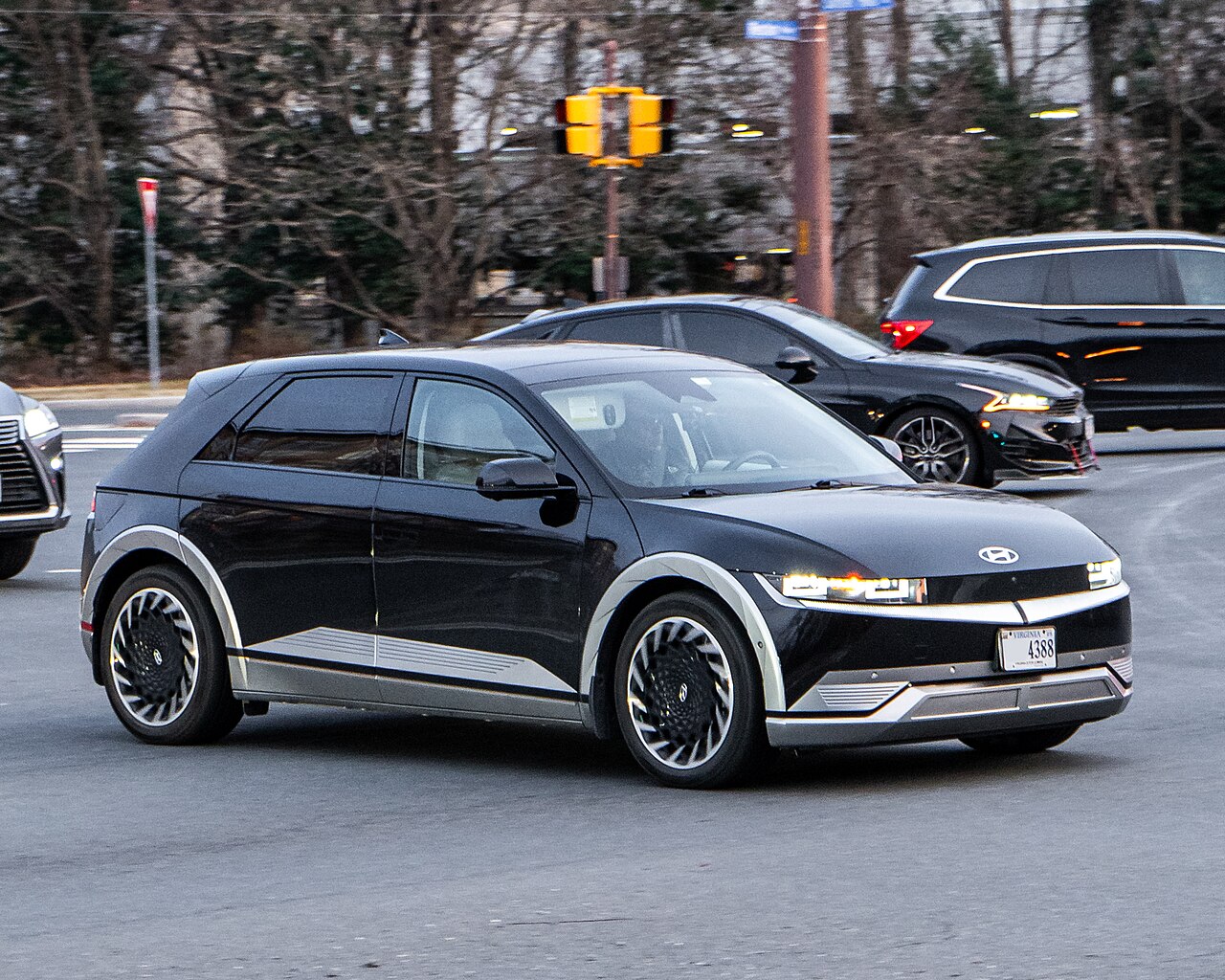
The electric IONIQ 5 led the recovery inside the EV lineup, with October sales up 21% to 1,981 vehicles. Through October, Hyundai has sold 33,093 IONIQ 5s in the US, still down 23% from the more than 42,700 sold in the same period of 2025, when the federal $7,500 EV tax credit was still available. The credit was removed last September, and several automakers have reported fewer EV sales than in the rush year of 2025.
One model vanishes, another slides
The IONIQ 6 sold zero units in October — not a soft month but a discontinuation, with Hyundai ending the standard sedan in the United States for 2026, citing weak demand and tariffs on the Korean-built car. The IONIQ 9 three-row SUV sold 169 units in October, down 47%, though its year-to-date total of about 6,690 is up 49%.
Hybrids carry the month
Hyundai’s hybrids set a new October record, rising 20% from last year and accounting for 29% of the company’s total sales in the month. The pattern matches the wider market: with the EV tax credit gone and electric prices high, buyers are choosing hybrids as the middle ground. Sister brand Kia reported its EV9 three-row electric SUV up 11% in October, with 13,835 sold through the month, up 5% year to date.
The wider Hyundai picture is stronger than the EV numbers alone suggest. Total US sales through October reached 770,916, up 3% year on year, and the company’s best-ever October came despite the loss of the federal EV tax credit, which had pulled forward thousands of sales into 2025. Hybrids are the bridge: they set a new October record, rose 20% from last year and accounted for 29% of Hyundai’s total sales in the month. Sister brand Kia reported its EV9 three-row electric SUV up 11% in October, with 13,835 sold through the month, up 5% year to date, suggesting the Korean group is finding buyers even as the wider EV market cools.