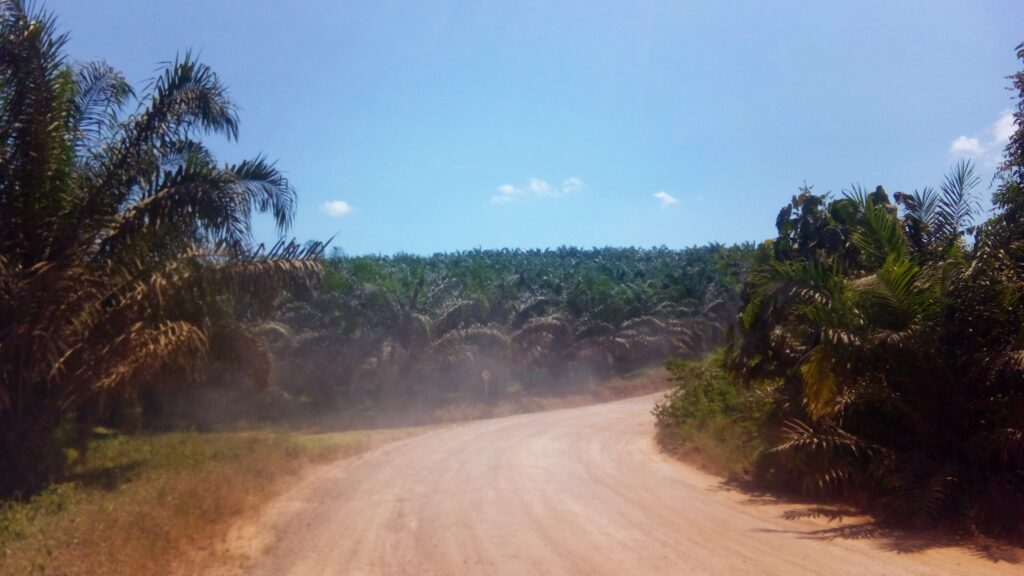

Nearly half of Indonesia’s 2026 fire hotspots sat inside palm oil and forestry concessions, according to a new report by the environmental group WALHI, exposing who owns the land behind Southeast Asia’s annual haze crisis. Between January and September, satellites picked up 30,927 fire hotspots across Indonesia, with West and Central Kalimantan the worst hit and air quality in both provinces ranging from unhealthy to hazardous.
Concessions behind the smoke
WALHI found that nearly half of those hotspots sat inside concessions belonging to 561 palm oil companies and 293 forestry firms. Of the companies reported to the government, 93 are tied to Singaporean or Malaysian groups, led by Sinar Mas with 26, Wilmar with 21 and Sime Darby with 9. WALHI traced the ownership of the 30 worst-burning companies, identifying the owners of 22, while the beneficial owners of the rest remain unknown. Nine of the top firms have parents or shareholders in Singapore, Malaysia, India or tax havens such as the British Virgin Islands and Samoa. Wilmar and First Resources have had “no burning” policies for over a decade, yet WALHI found no sign of corrective action as fires recur on their land, according to the report’s summary.
Political ties and a government estate
The report also maps political ties: some concessions are linked to a presidential special envoy, to a campaign adviser and to a former minister convicted of corruption. In Papua, the Merauke food and energy estate, a national strategic project, logged 807 hotspots — most of them in food estates run directly by the government. One name has a Korean connection: PT Hutan Ketapang Industri, with 142 hotspots in Ketapang, West Kalimantan. Its former parent, Sampoerna Agro, was sold to a POSCO International subsidiary in November 2025, though WALHI notes that 80% of its shares moved to a Sampoerna-linked Singapore entity right after that sale, leaving its current ownership unclear. For millions breathing the haze across the region, the report’s message is blunt: the fires are not accidents of nature. They happen on land owned by identifiable companies — and the people living with the consequences are left to fend for themselves.