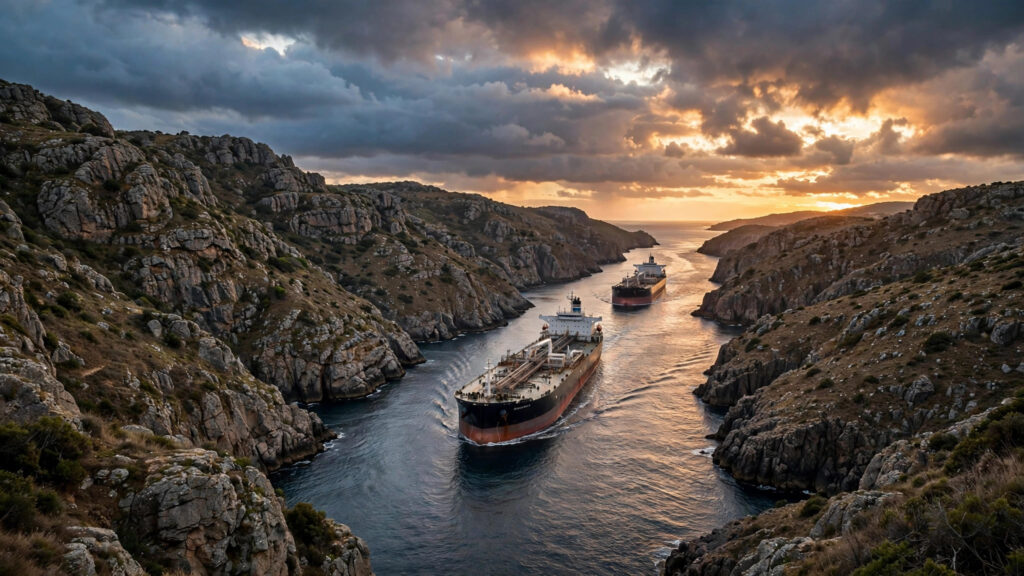

Iranian Foreign Minister Abbas Araqchi blamed the United States for insecurity and tensions in the Strait of Hormuz on Monday, speaking at a joint news conference in Tehran with Russian Foreign Minister Sergei Lavrov.
Araqchi said regional issues should be resolved through diplomacy and called on regional countries to work toward a joint security arrangement. “We welcome any initiative that leads to security from within without the presence of foreign forces, and consider it the right move,” he said. Lavrov, on his first trip to Iran since the Middle East war began, said Moscow would honor its economic agreements with Tehran and wants to act as a mediator.
The visit comes as fighting around the strait continues despite a ceasefire in the broader war. Iran says it controls the waterway and regularly targets ships that pass through without its permission, a posture that keeps roughly one-fifth of the world’s oil and gas supply under constant threat of disruption.
A war that refuses to end
The war began in February, when the United States and Israel struck Iran. A ceasefire followed in April, and in June Tehran and Washington signed a memorandum of understanding. But talks are now stalled, and the fighting around the Strait of Hormuz has not stopped, keeping energy markets on edge far beyond the region.
Lavrov is due to meet President Masoud Pezeshkian and hold further talks with Araqchi. The visit follows a message from President Vladimir Putin, who told Pezeshkian in early October that Moscow was ready to help with mediation. Russia and Iran, two of the most heavily sanctioned countries in the world, have grown closer since Russia invaded Ukraine in 2022, deepening military and economic cooperation.
A narrow channel for diplomacy
There are faint signs of movement. Qatari Foreign Ministry spokesman Majed al-Ansari said Tuesday that negotiations between Iran and the U.S. remain ongoing, with both sides continuing to engage at the Global Security Forum in Doha, though he warned conditions on the ground were becoming increasingly difficult.
Araqchi has pointed to Iran’s goodwill during negotiations that produced the June memorandum as evidence of Tehran’s seriousness about diplomacy. Whether that seriousness can bridge the gap with Washington, while Hormuz remains a flashpoint and regional tensions run high, is the question that will define the coming weeks.


Pingback: Iran Prepared for ‘All-Out’ War, Senior Official Warns - ReportRig.com