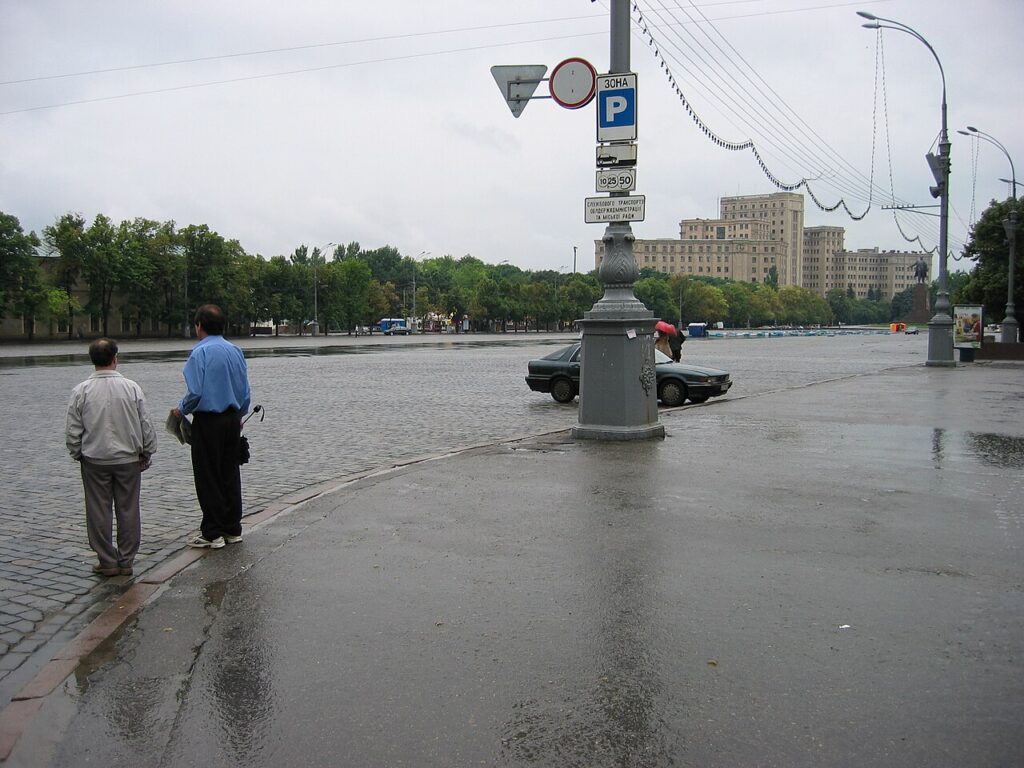

Kharkiv sustained Shahed-type drone hits across three districts overnight, injuring three people and damaging ten residential buildings, Mayor Ihor Terekhov has said.
The Kharkiv drone strikes were part of the same wave that hit Kyiv’s critical infrastructure on Friday night, and they underline how Russia’s nightly campaign is spreading beyond the capital to Ukraine’s second city and beyond.
Homes hit in three districts
Terekhov said the strikes landed in three districts of the city, damaging apartment blocks and houses. Three people were reported injured. The mayor’s account was carried by Ukrainian outlets and the daily war brief, which also recorded strikes across nine other Ukrainian regions in the same period.
Kharkiv, barely 30 kilometres from the Russian border, has lived under drone and missile threat for the entire war, and its residents have grown grimly used to nights broken by air-raid sirens. But the persistence of the attacks — night after night, district after district — is itself the story: a campaign designed to exhaust, not just to destroy.
Part of a wider barrage
Ukraine’s Air Force said Russia launched 113 Shahed-type drones, four Kh-59/69 missiles and ballistic missiles against Ukraine on October 30, intercepting 96 drones and three of the missiles. President Zelensky said 17 ballistic missiles were fired in total.
For Kharkiv’s residents, the statistics translate into broken windows, damaged roofs and another night spent in corridors and shelters. City services were assessing the damage on Saturday morning, and no further casualties had been reported.
A city that never gets a quiet night
Kharkiv’s ordeal is easy to overlook because it is constant. Unlike a single spectacular strike, the nightly drumbeat of Shahed drones rarely leads the news — yet it is the daily reality for more than a million people living within artillery and drone range of the border. Each damaged apartment block adds to a repair bill the city can barely meet, and each night in a corridor or shelter adds to a exhaustion that no air-defence statistic captures.


