
Nigeria has begun procurement for a proposed $2 billion East-West Super Grid, Power Minister Joseph Tegbe said on Monday, in the government’s biggest attempt yet to fix the transmission bottleneck that leaves much of the country’s generated electricity unable to reach homes and businesses. Tegbe disclosed the move during an interview on TVC Breakfast on Monday 9 November.
“The East-West Grid is going to cost about $2 billion. But again, it will have capacity for us to effectively have at least 19,000 megawatts capacity,” Tegbe said, according to Business Post Nigeria. The minister said procurement for the project had commenced and the infrastructure could be completed within two years, with some reports putting the delivery window at 18 to 24 months.
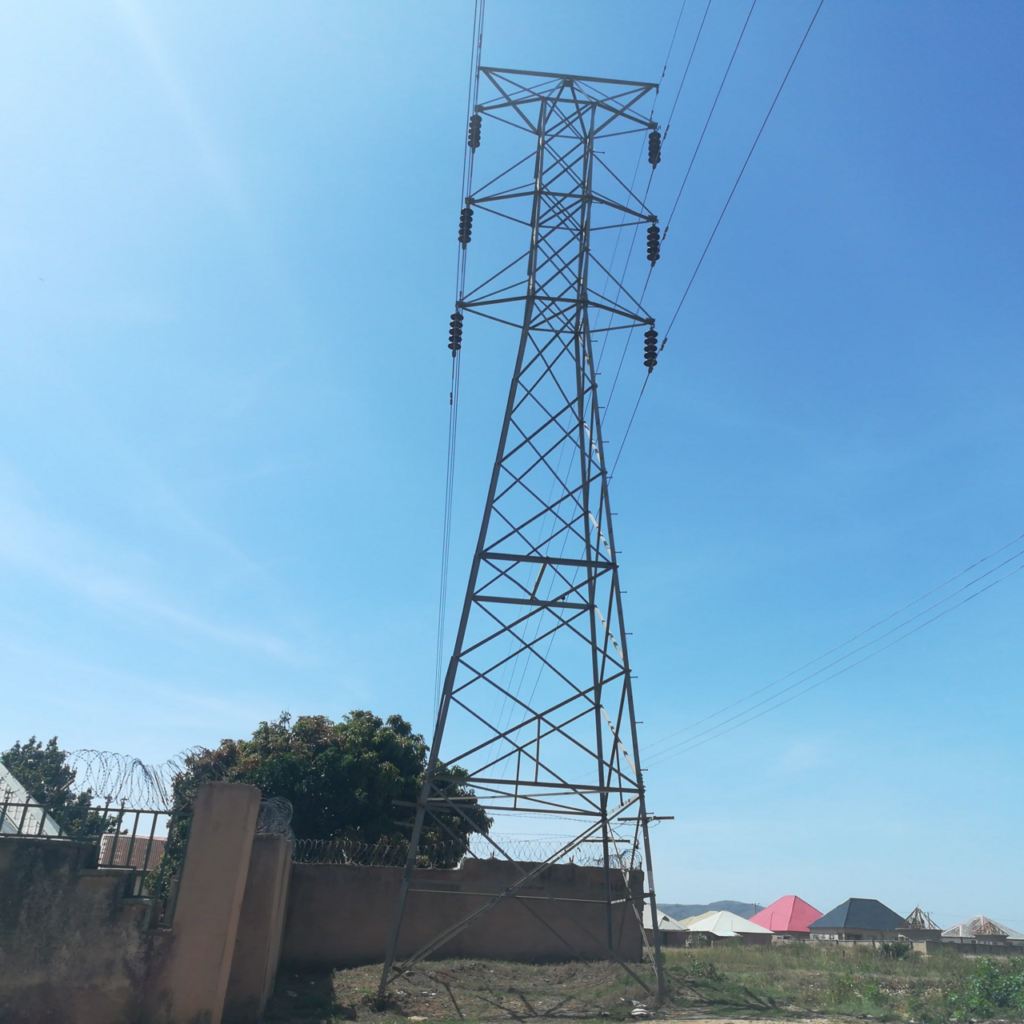
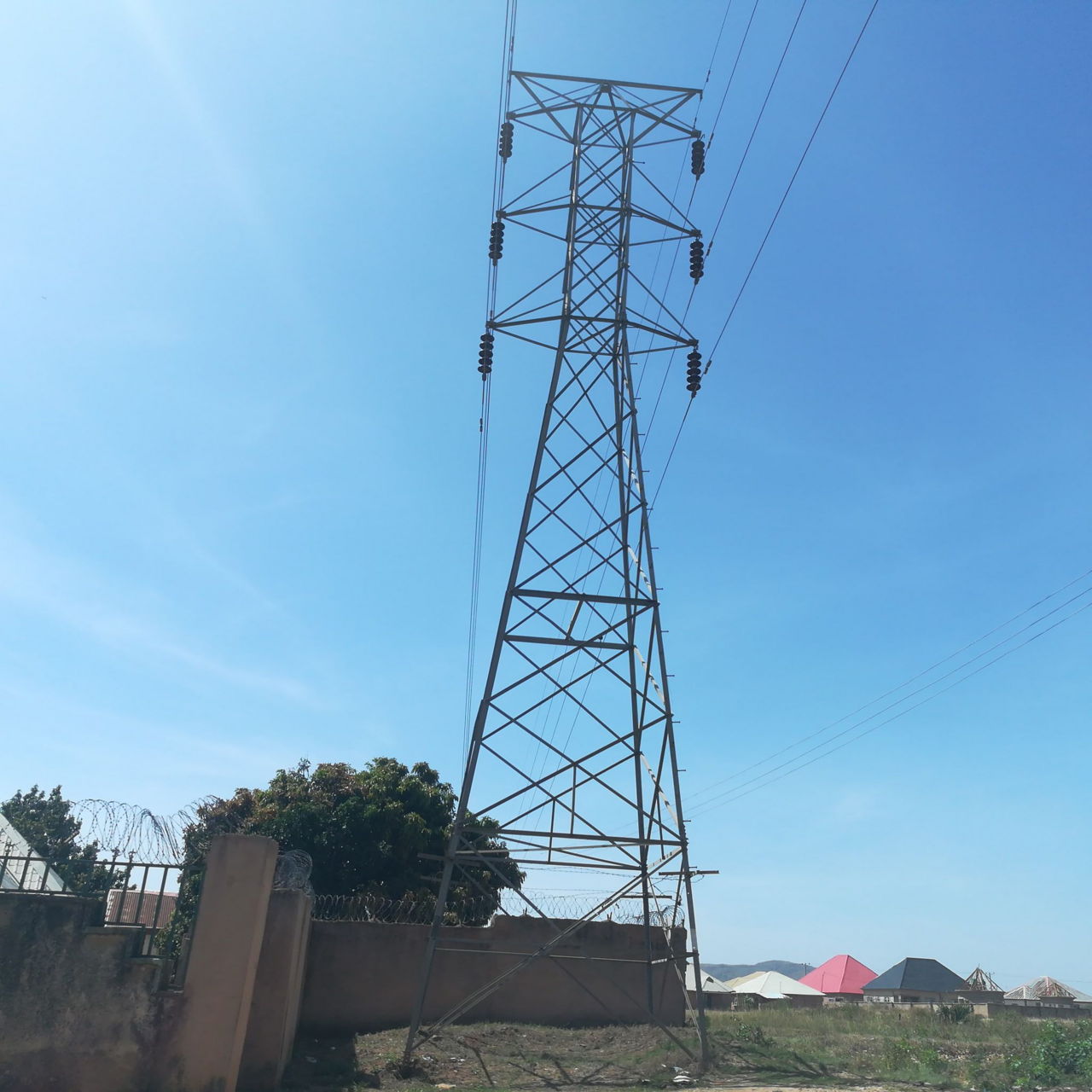
The proposed transmission corridor will pass through Funtua, Gwagwalada, Ikot Ekpene, Benin, Epe and Ilorin, linking the east and west of the country. Tegbe stressed that the Super Grid would complement, rather than replace, Nigeria’s existing national grid, adding capacity and resilience to a network that has repeatedly collapsed under strain.
A gap between generation and delivery
The project is aimed at a longstanding mismatch in Nigeria’s power sector. Tegbe said Nigeria has installed generation capacity of about 13,625 megawatts, but actual generation remains around 5,000 megawatts because of operational limits and infrastructure problems. Transmission capacity is far lower still, at roughly 4,000 megawatts, which is why the new corridor is designed to raise it toward 19,000 megawatts.
Tegbe also used the interview to say recent outages affecting Lagos and the Federal Capital Territory, caused by planned maintenance at the Egbin Power Station, had been resolved. He projected that Nigerians could begin to experience more stable electricity within three to five years.
Paying the power sector’s debts
The minister said the government had paid 1.23 trillion naira of about 3.3 trillion naira owed to power generation companies, leaving roughly 2 trillion naira outstanding, with settlement targeted for 2027. A technical audit launched shortly after Tegbe took office in June 2026 identified faults in towers, insulators, conductors and relays across several transmission corridors, and the findings will guide replacement work in the coming months.
Greater private-sector participation in the transmission segment is also planned within the next two to three years, Tegbe said, as the government tries to attract investment into a sector that has frustrated households and businesses for decades.
Sources: Business Post Nigeria (9 Nov 2026); Vanguard via Ghanamma (9 Nov 2026); Inside Business (9 Nov 2026); AM Business (10 Nov 2026).