

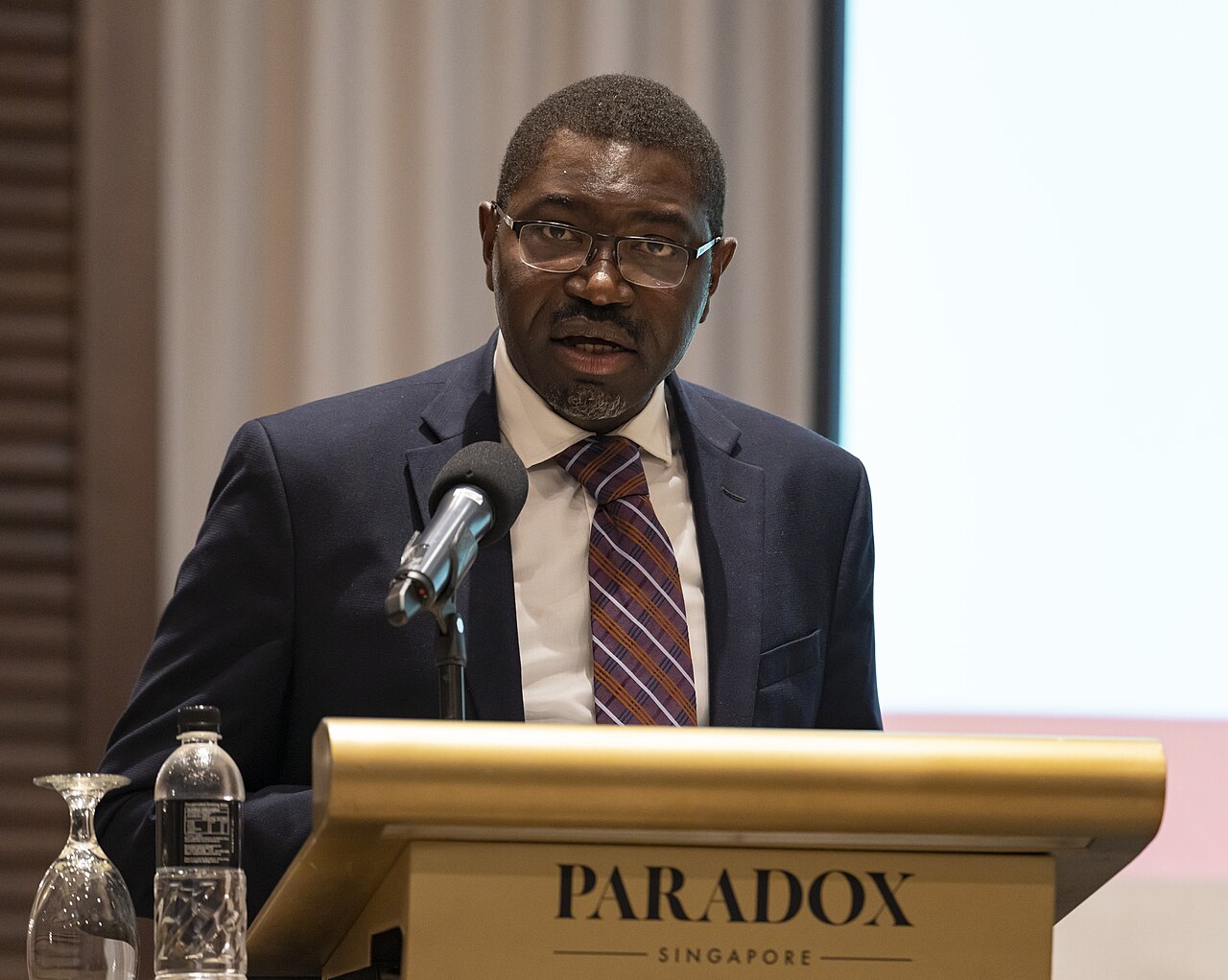
Nigerian-born international lawyer Dapo Akande has been elected a judge of the International Court of Justice, becoming the first British judge on the world court in almost a decade.
Akande was elected on November 3 by both the United Nations General Assembly and the Security Council, winning an absolute majority in the first round of voting. He will serve a nine-year term beginning on February 6, 2026.
Akande is the Chichele Professor of Public International Law at the University of Oxford, one of the most prestigious chairs in the field. He was the United Kingdom’s candidate for the seat, and his election restores British representation on the court after a gap of nearly ten years.
A career built on international law
Born and trained in Nigeria before building his academic career in Britain, Akande is one of the world’s leading authorities on the law of armed conflict, international criminal law and the law governing the use of force. He has advised governments and international organisations, and his scholarship is cited in courts around the world.
His election was welcomed in both London and Abuja, where commentators noted the significance of a Nigerian-trained lawyer taking a seat on the world’s highest court. The ICJ, based at the Peace Palace in The Hague, settles disputes between states and gives advisory opinions on questions of international law.
Akande’s term begins as the court faces one of the busiest periods in its history, with cases on state responsibility, territorial disputes and the legality of military action on its docket.
What the court does next
The election fills one of the seats that rotates every three years under the court’s system, in which five of the fifteen judges are elected at a time. Akande will join a bench that includes judges from every region of the world, reflecting the court’s claim to universality.
For Nigeria, the election is a point of pride: a lawyer formed in its universities now sits on the court that decides the most consequential legal questions between nations. For Britain, it restores a voice on the bench it had lacked since its last judge left the court.


