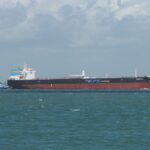
Oil prices rebounded on Wednesday from two-month lows as fresh attacks on commercial vessels in the Strait of Hormuz revived concerns over global energy supplies, reversing Tuesday’s fall. Brent crude futures rose 1.14 percent to 92.50 dollars a barrel, while US West Texas Intermediate crude gained 0.7 percent to 86.70 dollars a barrel, according to market data reported on Wednesday morning. Reuters reported slightly lower levels later in the session, with Brent up 52 cents at 92.01 dollars and WTI up 16 cents at 86.20 dollars by 0730 GMT, reflecting intraday movement.
The recovery reflects persistent uncertainty over the security of commercial shipping through the strait, a critical passage for global crude oil and petroleum product supplies. The market swung between hopes for a de-escalation in the US-Israeli war on Iran and concerns about attacks on shipping, according to Reuters.
Three tankers hit in two days
Videos posted on social media on Sunday and verified by Reuters showed a Navig8 tanker on fire near the coast of Oman. The vessel was among three tankers reportedly hit after using what Iranian state media described as unauthorised routes through the strait. On Tuesday, a tanker was struck northeast of Lima in Oman, according to the United Kingdom Maritime Trade Operations agency, and Iran’s Revolutionary Guards Navy said two tankers caught fire after hitting naval mines on an unauthorised route.
According to fresh data from the Washington Institute for Near East Policy, 37 vessels were attacked in the Strait of Hormuz and surrounding waterways in October, the highest monthly tally since the beginning of the war. Another 10 attacks have been recorded so far in November, highlighting the continuing threat to maritime traffic despite expectations of a possible de-escalation.
What it means for supplies
In a November 10 note, analysts at LSEG said that even if an agreement were reached, an increase in shipping flows would depend on mine clearance operations, insurance costs and whether shipowners were willing to resume voyages through the waterway given the security risks. Preliminary American Petroleum Institute data indicated that US crude inventories rose about 9 million barrels in the week ended November 6, suggesting improving near-term availability.
The US Energy Information Administration expects Brent spot prices to average around 100 dollars a barrel during November and December, assuming Middle Eastern supply constraints persist. Oil had fallen on Tuesday as President Donald Trump played down the prospect of new strikes on Iran, but the tanker attacks have pushed prices back up, and traders remain uncertain whether diplomatic progress can restore normal Middle Eastern oil shipments.
Related reading: Oil Prices Fall on Tuesday as Trump Plays Down Iran Escalation and Iran Awaits US Response on Tuesday Hormuz Roadmap.