Pakistan is fast-tracking its shift to electric vehicles amid soaring fuel costs and a newly approved policy framework designed to make EVs more affordable and boost local manufacturing. Prime Minister Shehbaz Sharif has given in-principle approval to the Automotive Industry Development and Export Policy 2026–31, a five-year plan that places electric and new-energy vehicles at the centre of the country’s auto strategy while targeting $6 billion in vehicle exports and $1.2 billion in auto-parts exports by 2030–31. Key incentives for buyers include a proposed 1% sales tax on battery electric vehicles, 6% on range-extended EVs and 9% on plug-in hybrids. The government has rejected an International Monetary Fund suggestion to raise the EV sales tax to 18%. Financing limits for electric vehicles are set to rise from Rs 3 million to Rs 10 million, with loan tenures extended from three to five years — a change that matters as much as the tax rate for buyers who need credit to purchase at all.
Cheaper imports, faster payback
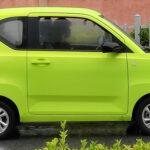
Import duties on smaller, affordable EVs are also being eased. Fully imported battery EVs valued at up to $15,000 could face just 5% customs duty in the first two years of the policy — a move analysts say could bring popular Chinese models such as the BYD Seagull and Wuling Binguo closer in price to locally assembled petrol hatchbacks. Adviser to the Prime Minister on Industries and Production Haroon Akhtar Khan said the recent surge in oil prices is already shortening the payback period for EVs to between one and one-and-a-half years. Petrol prices have risen about 54% and diesel around 43% since the Middle East conflict earlier this year. Market momentum is building. Sales of electric motorcycles and scooters have roughly tripled year-on-year, while electric car sales have doubled. Industry observers expect around 20 new electric, hybrid or range-extended models to hit the Pakistani market in the second half of 2026 alone.
A landmark shipment, and a caveat
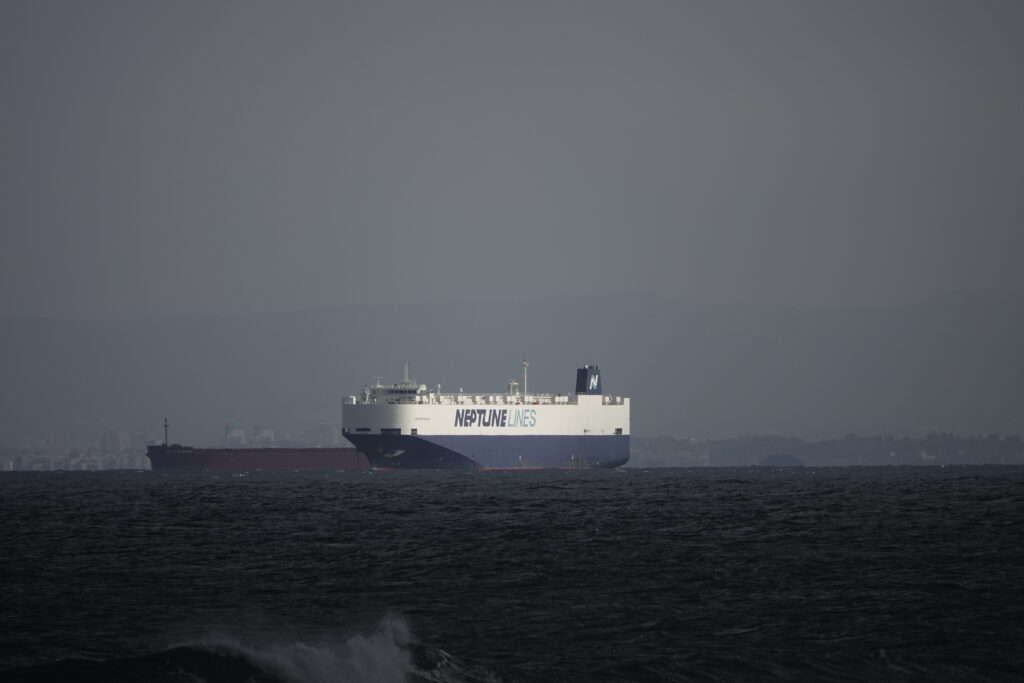
In a landmark logistics development, Pakistan received its first roll-on/roll-off shipment of electric vehicles in late October. The vessel M.V. Grande Shanghai docked at Karachi Port carrying more than 2,000 EVs, marking a step in the country’s integration into global clean-mobility supply chains. The National Electric Vehicle Policy 2025–30 continues to guide longer-term goals, including about 3,000 public charging stations by 2030 and subsidies for electric two- and three-wheelers. One caveat remains: while the new Auto Policy still requires final IMF clearance, cabinet endorsement and enabling legislation, officials say the direction is clear. Pakistan is betting heavily on electric mobility to cut fuel import bills, reduce emissions and modernise its auto industry — and for drivers facing petrol up 54%, that bet is already personal.