
A federal jury in Los Angeles on Friday convicted Jonathan Rinderknecht of starting the fire that became the deadly Palisades Fire, one of the most destructive wildfires in California history. Rinderknecht, 30, a former Uber driver, was found guilty of destruction of property by means of fire and arson affecting property used in interstate commerce after a 14-day trial. His first trial ended in a mistrial with a deadlocked jury. He faces five to 40 years in federal prison and is scheduled to be sentenced on March 17, 2027.
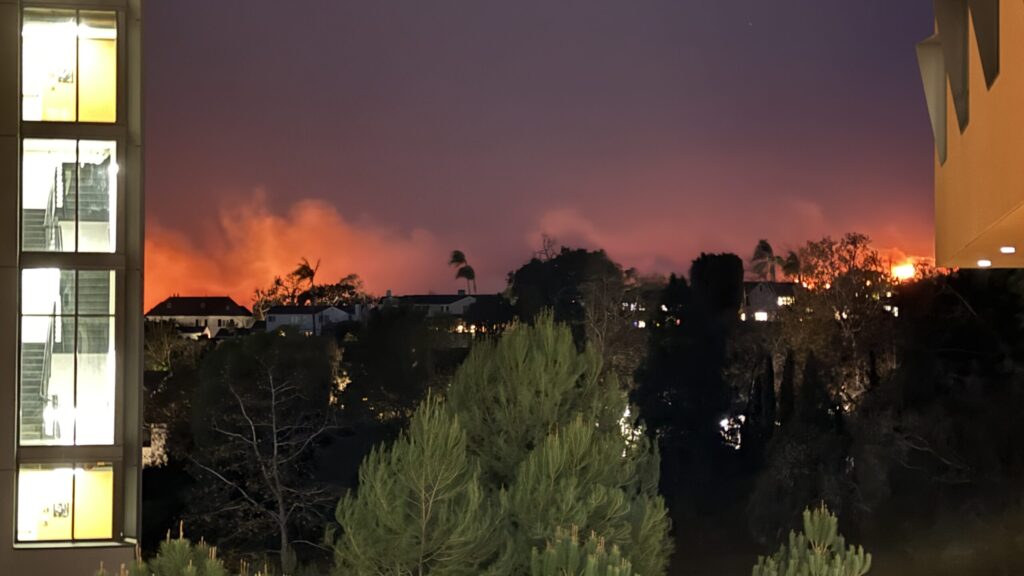
Prosecutors said Rinderknecht used a lighter to ignite a small brush fire known as the Lachman Fire in the Santa Monica Mountains near Pacific Palisades on January 1, 2025. Fire crews responded and believed they had extinguished it, but the fire kept burning underground for nearly a week. On January 7, it reignited above ground, and driven by strong Santa Ana winds after a nearly eight-month dry spell, it exploded into the Palisades Fire, which burned for 24 days, scorched 23,448 acres, killed 12 people and destroyed thousands of homes across Pacific Palisades, Topanga and Malibu before it was fully contained on January 31.
From a Small Brush Fire to a Catastrophe
The case turned on what happened in the first minutes of 2025. According to the indictment, environment sensing platforms showed the Lachman Fire starting shortly after midnight, and over the next five minutes Rinderknecht tried to call 911, but his calls would not go through because he did not have service. Prosecutors said he then lied about his whereabouts in an interview with law enforcement on January 24, but geolocation data from his phone showed he was just feet away from the fire as it grew. He was arrested on October 7 after authorities traced the Palisades Fire back to the smaller New Year’s Day blaze.
The verdict renews debate over wildfire response and the use of digital forensics in arson prosecutions. Fire crews believed the Lachman Fire was out; the underground smoulder that survived their work became the deadliest fire Los Angeles has ever seen. The question of whether the crews missed something will be argued for years, but the jury’s answer on who lit the fire is now settled.
The Evidence That Convicted Him
Prosecutors built the case on surveillance footage, cellphone location data and a DNA match to a lighter, according to the Department of Justice. The evidence placed Rinderknecht at the origin point of the Lachman Fire in the early hours of January 1, and the phone data contradicted his own account of where he had been. The defence had argued in the first trial that the evidence was circumstantial; the second jury disagreed. For the families who lost homes and loved ones in the Palisades Fire, the conviction closes one chapter of a disaster that reshaped Los Angeles, even as rebuilding continues nearly two years on.