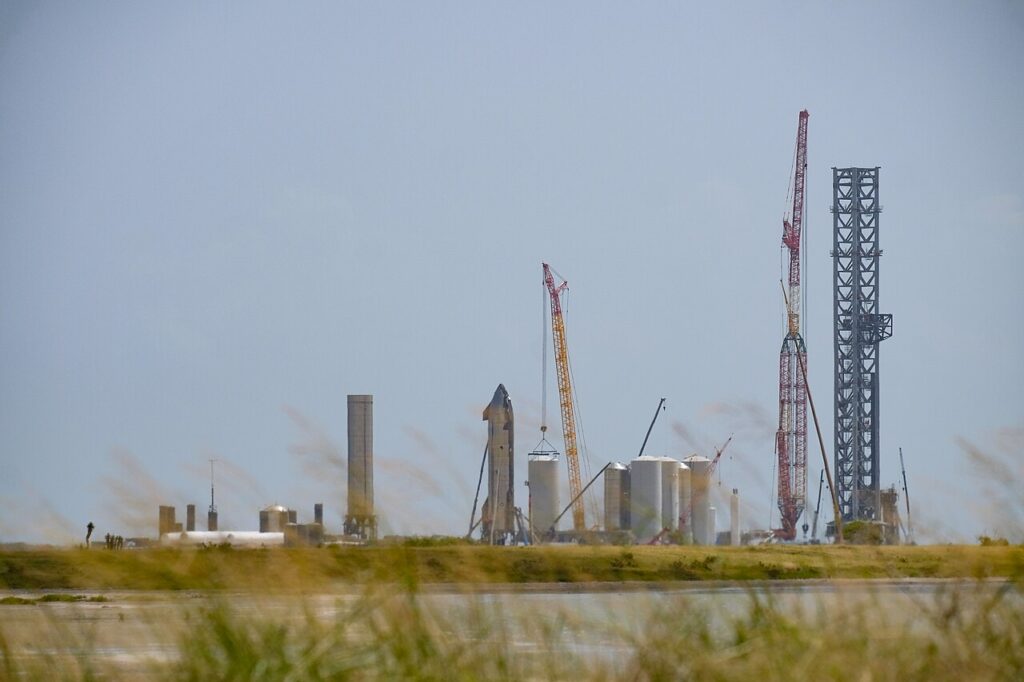

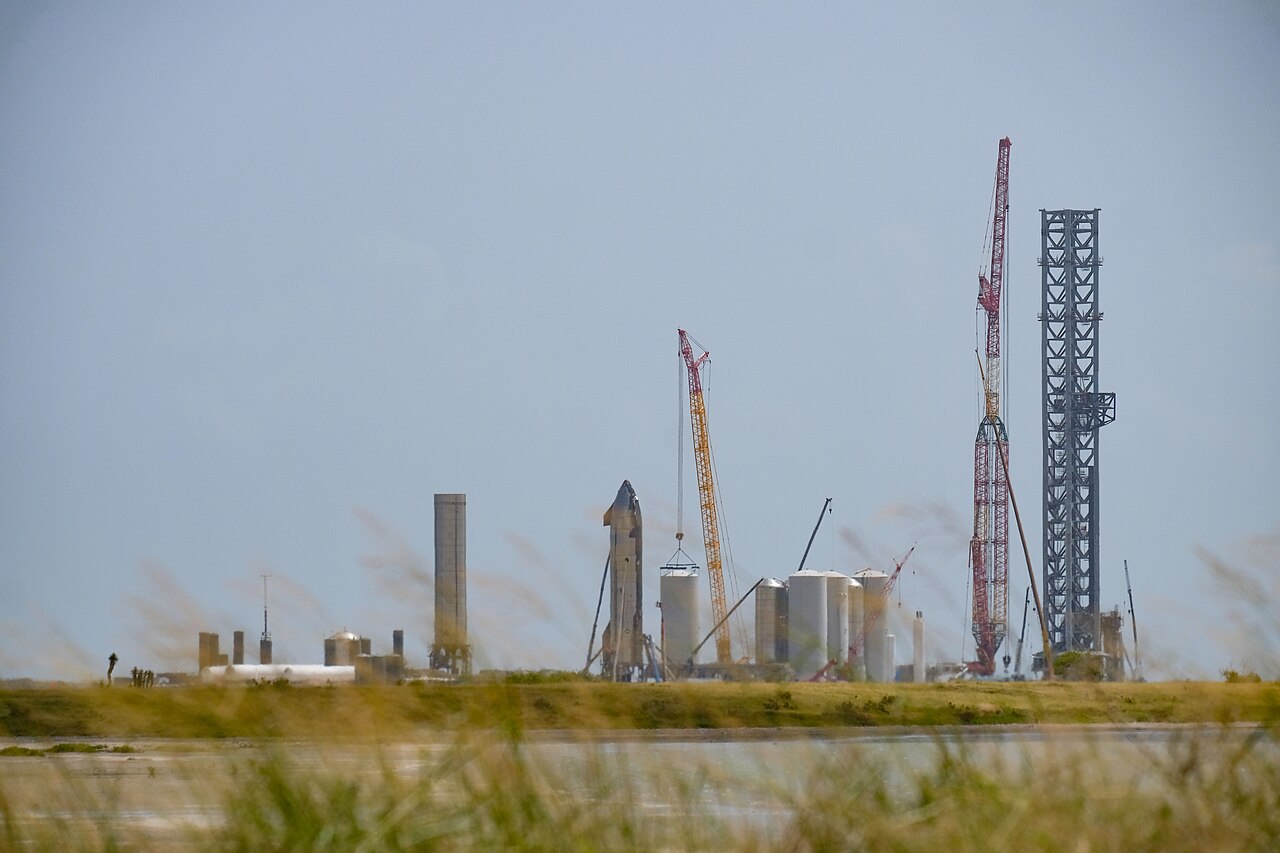
SpaceX has moved the Super Heavy booster for its Starship Flight 15 test to the launch pad at Starbase in Texas, setting up what the company hopes will be the first full recovery of an orbital rocket, with both stages caught by the launch tower in a single mission on Friday, November 13.
Footage from Starbase showed the booster, known as Booster 22, being rolled from its assembly building, Megabay 1, to Pad 2 at around 4 p.m. CST on Monday, completing the move in about three hours, according to reports. The 233-foot structure then began being lifted for installation on the pad. It had undergone a static fire test of its 33 Raptor engines last month.
Flight 15 is targeted for no earlier than Friday, during a 75-minute window that opens at 4:45 p.m. CST, pending approval from the Federal Aviation Administration, according to reports. Aviation notices list backup launch windows through November 19 if weather or technical problems force a scrub.
Two catches, more than 22 hours apart
The mission plan is the most ambitious SpaceX has attempted. Super Heavy will fly back to Starbase for a tower catch about six and a half minutes after liftoff, according to SpaceX. Starship, the upper stage known as Ship 42, will climb to an orbit near 171 miles, circle Earth about 14 times over more than 22 hours, then fire an engine to deorbit, steer through the atmosphere with its flaps, and attempt its own tower catch roughly 22 hours and 32 minutes after launch.
The company has caught the booster three times but has never recovered the upper stage, which must reach orbit, survive re-entry and fly back more than 22 hours after liftoff. SpaceX said a catch will only be attempted for each stage if flight controllers determine it is safe to do so. The mission will also deploy Starlink V3 satellites.
Flight 15 uses the company’s Block 3 hardware, Booster 22 and Ship 42, and is the first catch attempt for a Super Heavy carrying the newer Raptor 3 engines, according to reports. SpaceX announced the November 13 target on November 7, saying the flight would be a watershed moment for spaceflight.
Starbase expansion continues alongside
The test flight comes as SpaceX presses ahead with a major expansion at Starbase. The company plans to build a gas-fired power plant and a super-compute facility on a roughly 444-acre tract near Brownsville, Texas, with an estimated capital investment of about $24 billion for the initial phases, according to a city public hearing notice reported by Reuters and Bloomberg.
The Starbase City Commission will consider a property tax abatement and a related development agreement for the project at a public hearing on December 9. The notice does not say who would use the computing capacity, how large the power plant would be, or when construction would start. Separately, SpaceX has sought FAA approval for more than 450 Starship launches per year from Starbase, where a second launch pad is nearing readiness, according to reports.
Sources: Starlust, SOFX, SpaceX (via reports), Silicon Report, Reuters (via reports)


