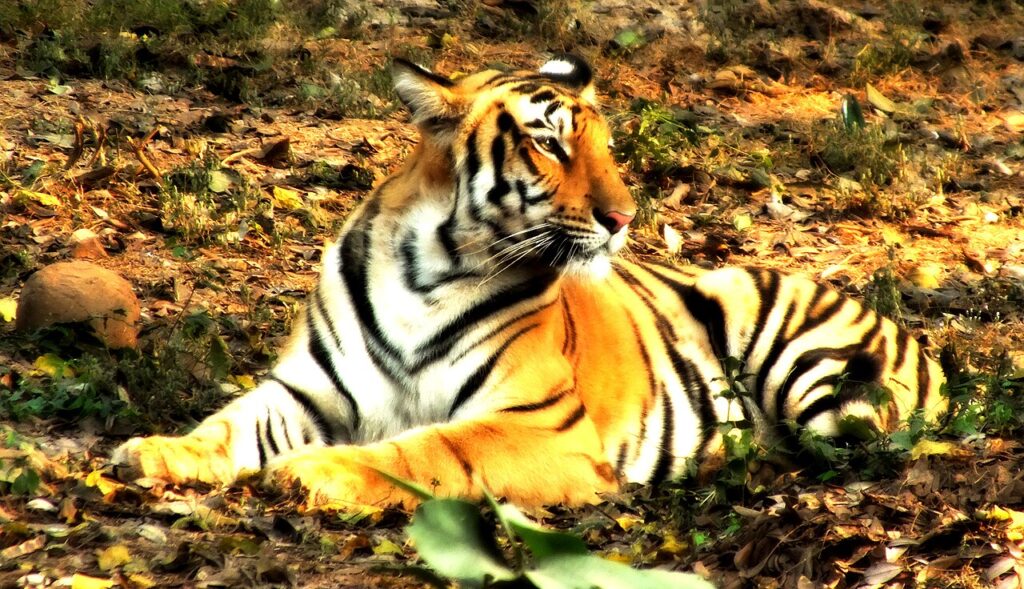

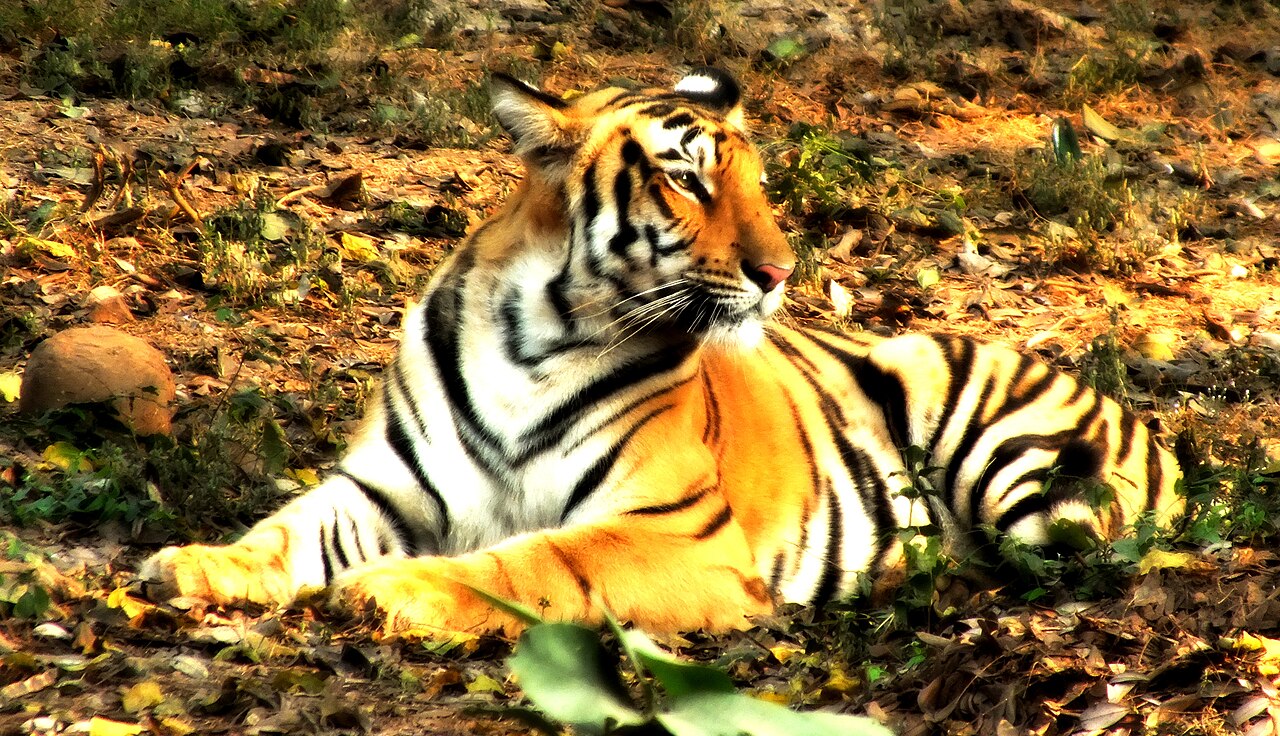
A tiger named Umit — the name means ‘hope’ — has walked free in Kazakhstan for the first time in over 70 years. The Amur tiger was released on 31 July into the Ile-Balkhash Reserve, marking the first wild tiger in Kazakhstan since 1948, according to The Daily Uplift’s 2 November round-up, which cites the Kazakhstan Ministry of Ecology and Mongabay. The goal, according to the same round-up, is about 50 tigers in the reserve by 2035. That target sounds modest until you remember what it represents: the return of an apex predator to a landscape that has lived without one for generations. Tigers were once part of Central Asia’s ecology. Their absence changed the balance of the region’s wildlife. Their return is a deliberate act of restoration, not an accident.
Why a single tiger matters
Conservation stories are often told in numbers — populations, hectares, funding totals. Umit’s story works differently. One tiger, one name, one release, one landscape waiting for him. The name itself does much of the work: hope, in a country that has not seen a wild tiger since the year after the Second World War. The Ile-Balkhash Reserve was created with this return in mind, with habitat restoration and prey recovery preceding the release. That sequencing matters. Releasing a tiger into a landscape without food, water and space would be a gesture, not conservation. Kazakhstan’s programme, as reported, has treated the release as one step in a longer plan, with further releases expected on the road to 50 animals.
A good-news story with a long horizon
Umit’s release sits alongside other good news from the same 2 November round-up: rescued turtles laying more than 250 eggs in Australia, and 78 goats carried to safety in New Mexico. Together they paint a picture of a world where conservation is not only about preventing loss, but about actively restoring what was lost. For readers, the takeaway is patience. Seventy years passed between the last wild tiger in Kazakhstan and Umit’s release. The next decade will determine whether he is a symbol or the start of a population. For now, though, one tiger walking free in a reserve that waited 70 years for him is enough to celebrate — and enough, as his name suggests, to hope on.