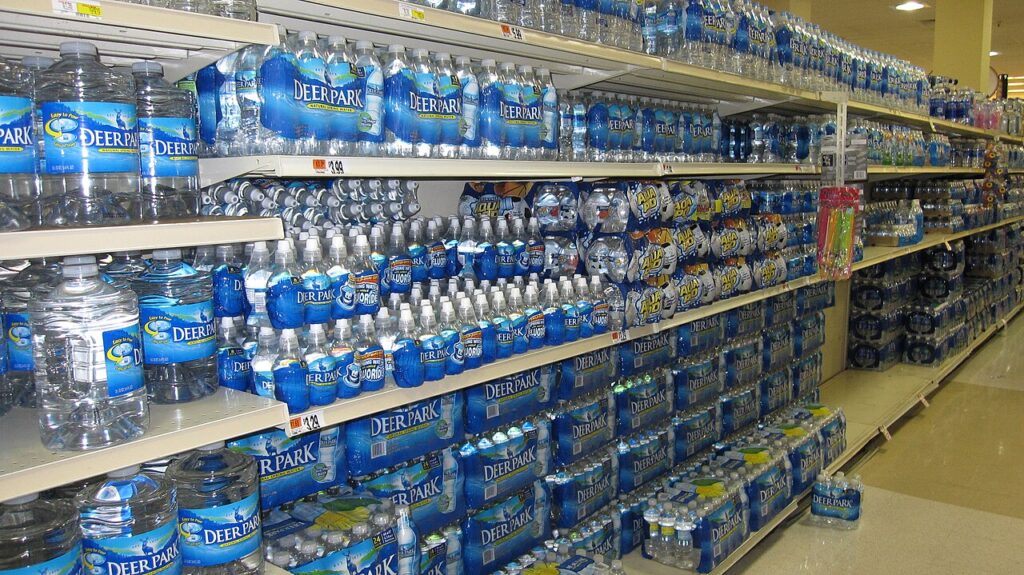

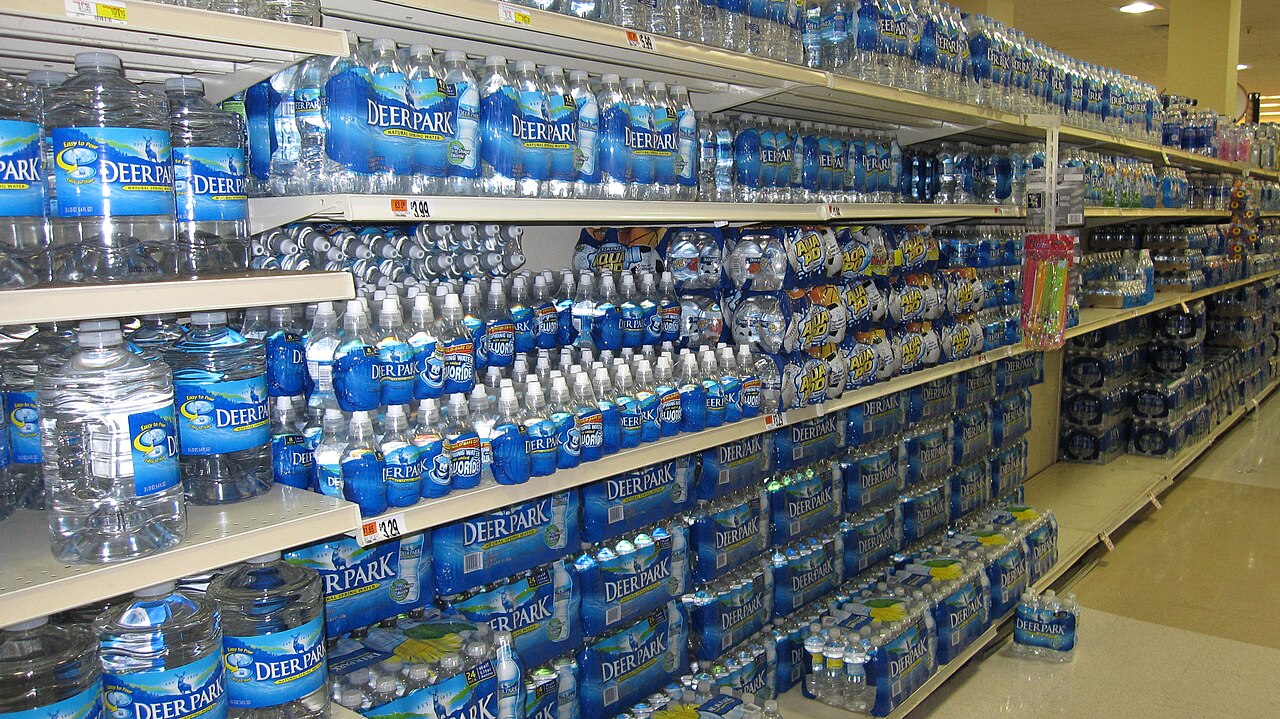
Sales of bottled water, hand sanitiser and tinned food have surged in Britain since the government launched its Be Ready preparedness campaign, according to figures reported by the BBC.
The surge
In the 10 days after the campaign launched on October 22, sales of hand sanitiser rose 83%, bottled water 67% and tinned and jarred goods 37% compared with the same period last year, BBC News reported, citing data from Worldpanel by Numerator.
What the campaign asks
The Be Ready campaign urges households to prepare for emergencies, including power cuts and severe weather, by keeping basic supplies at home. Scotland’s Justice Secretary Neil Gray, who is responsible for resilience, has told MSPs that losing power is no longer just a winter problem for rural and island communities.
The campaign’s message landed as Britain headed into winter: the UK Health Security Agency issued its first cold-health alert of the season on Tuesday, covering the North West and West Midlands from Thursday until Saturday.
A real-world warning
The risks are not theoretical. Damage to the network by a third party cut power to 759 homes west of Swindon on Tuesday, including Lydiard Millicent, Purton and parts of Royal Wootton Bassett, the Swindon Advertiser reported. The episode underlined how quickly a local outage can leave hundreds of households without power — exactly the scenario the Be Ready campaign is designed to prepare people for. The campaign launched on October 22, and the sales figures cover the 10 days after that date, compared with the same period last year. The BBC reported the figures citing Worldpanel by Numerator, and the same reporting noted that Scotland’s Justice Secretary has warned that losing power is no longer just a rural or island problem. The campaign’s timing, just ahead of winter, is deliberate: the UK Health Security Agency issued the first cold-health alert of the season on the same day the sales figures were reported.