With four days to go before the November 3 midterm elections, the US midterms 2026 race has entered its final stretch with Democrats ahead in national polling and President Donald Trump reshaping his closing schedule. According to RealClearPolling, Democrats lead Republicans by 51.4 percent to 43.2 percent on the generic ballot, a gap of 8.2 points that has alarmed Republican strategists.
The president travelled to South Carolina on October 29 to campaign for Republican Senator Darline Graham, who faces Annie Andrews in a closely watched contest, according to Reuters reporting carried in the campaign coverage. He then cancelled weekend appearances planned for Salina, Kansas, and Dubuque, Iowa, replacing them with telephone rallies across nearly 20 states.
Why the polls worry Republicans
Polling analysts point to the economy as the central problem for the party in power. The Marquette Law School Poll, conducted in Wisconsin from October 14 to 22 and released on October 28, put Mr Trump’s approval at 37 percent, with 61 percent disapproving. Only 16 percent of respondents said they were better off financially than a year ago, while 42 percent said they were worse off.
Charles Franklin, director of the Marquette poll, said declining approval ratings and economic concerns were alarming Republicans, while cautioning that polls are not perfect predictions of outcomes. A separate Reuters/Ipsos survey, conducted October 22 to 26, found likely voters favouring Democrats 53 percent to 44 percent, with Mr Trump’s approval at 32 percent.
What is at stake on Tuesday
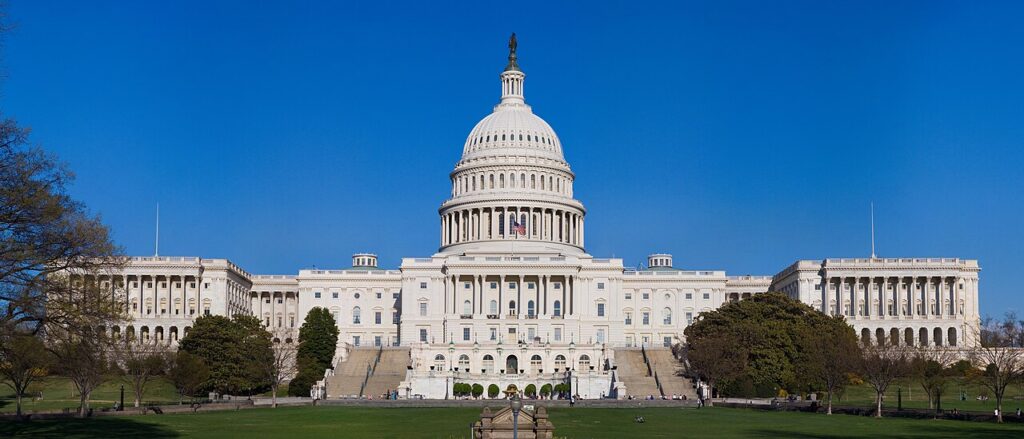
Voters will decide control of the House of Representatives and the Senate for the next two years. Analysts at the Cook Political Report and CBS News have both projected a Democratic House majority, with estimates ranging from about 220 to 229 seats in the 435-member chamber, though both note Republicans retain a narrow path.
The final days are likely to be dominated by cost-of-living arguments. According to Reuters/Ipsos, 73 percent of respondents said the cost of living was moving in the wrong direction, a figure that explains why both parties have made affordability the centrepiece of their closing messages.
What happens in the next four days will matter more than any single poll. Campaigns will chase early voters, flood battleground media markets and try to turn a national mood into local turnout, and the party that converts its polling lead into actual ballots will decide whether the current advantage survives contact with election day.