The United States has established Task Force Iron Gate to intercept Iranian arms and material transit across the Caspian Sea and land routes, according to a regional intelligence tracker published on Monday, 9 November. The reported name gives a sharper outline to the dedicated task force first reported on Sunday, 8 November, to disrupt Iranian land-based supply routes, widening the blockade of Iran from the sea to the land.
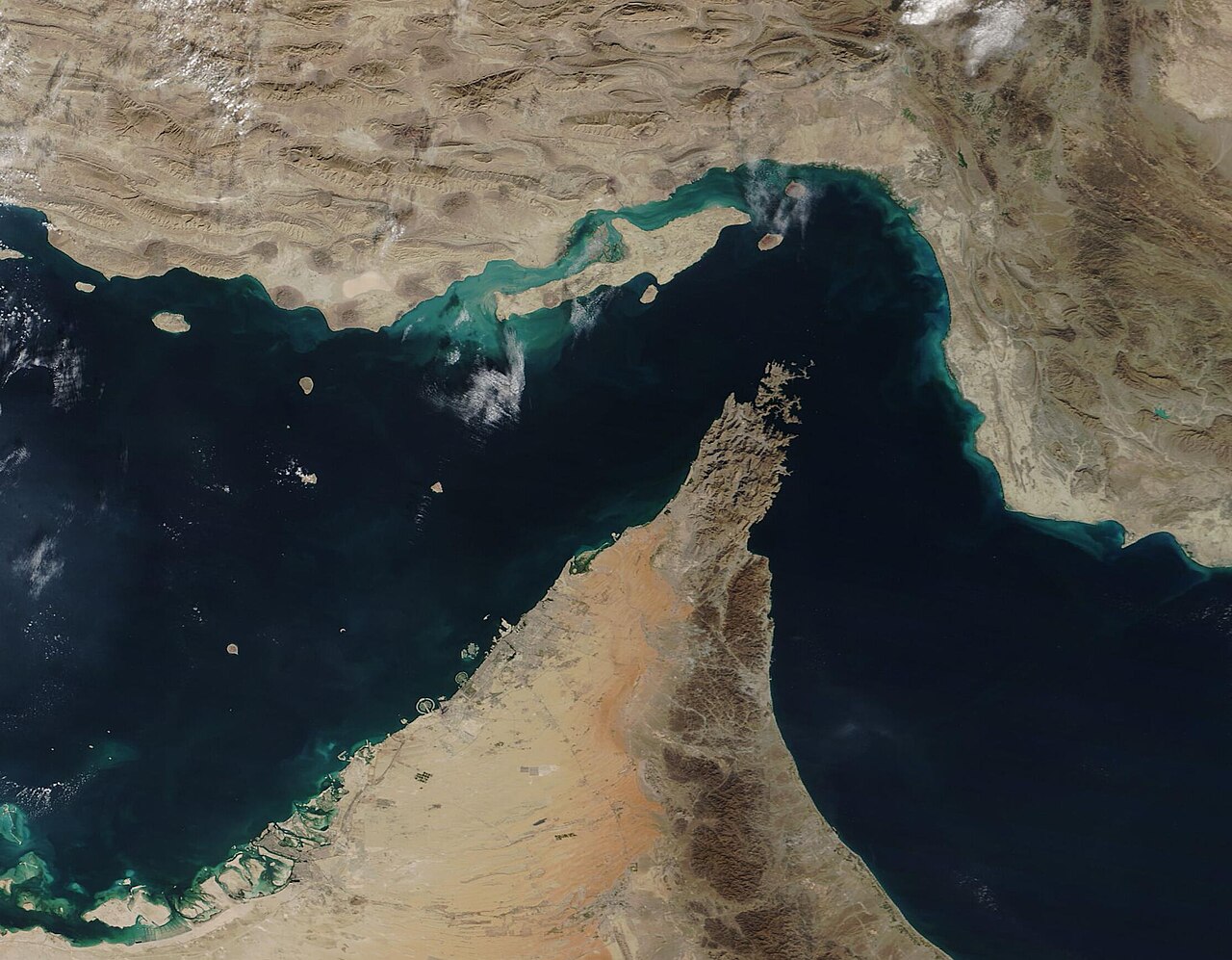
The tracker, RegionAlert, listed the task force in a consolidated timeline of Hormuz Strait intelligence, alongside the 7 November disabling of the commercial freighter M/V Huda in the Gulf of Oman and the 8 November US air strikes against radar and air defence installations on Qeshm Island. The task force’s reported remit — intercepting Iranian arms and material transit across the Caspian Sea and land routes — suggests Washington is seeking to close off Tehran’s supply lines on every front, not only by sea.
US Central Command has since confirmed the task force: Adm. Brad Cooper directed the formation of Task Force Iron Gate, an internal staff of about 20 civilian and military personnel, and the White House says the task force is fully operational. The Pentagon has not released a detailed statement about the unit’s exact mandate and area of operations, and the full scope of its work against land routes into Iran remains to be confirmed.
A blockade under pressure
The move comes as the United States tightens its blockade on Iran and Tehran simultaneously lifts limits on its missile programme. The UK Maritime Trade Operations agency said at least 11 ships had been attacked in and around the Strait of Hormuz over the preceding week, with three sinking, and the International Maritime Organization’s incident register recorded 129 confirmed incidents across the Strait and the wider Middle East as of 5 November.
Iran has said it wants more than “paper commitments” from the US before entering a new phase of talks, and has demanded the lifting of the US blockade and sanctions before it will reopen the Strait of Hormuz. Qatar’s Prime Minister Mohammed bin Abdulrahman Al Thani said mediation between Washington and Tehran remained active and that the talks had not failed, and he is meeting President Donald Trump at the White House on Monday.
President Donald Trump confirmed on 6 November that US forces had carried out limited strikes against an Iranian air-defence system on Qeshm Island, and told reporters on Friday that Iran wants “to make a deal very badly”. On Sunday he repeated his assertion that the United States is winning the war with Iran and said of a deal: “It could happen.” US Central Command also offered up to $20 million late on 6 November for information on Iran’s nuclear programme.
Related coverage: US Launches Task Force to Cut Iran’s Land Supply Routes and US Disables Cargo Ship M/V Huda in Gulf of Oman Blockade Clash