Zohran Mamdani May Never Be President—But Is America Missing an Opportunity?
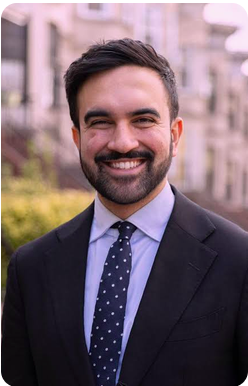
The United States Constitution requires that a president be a natural-born U.S. citizen. Because Zohran Mamdani was born outside the United States, he is constitutionally ineligible to serve as president under the current interpretation of that requirement.
For many political observers—particularly some Republicans—that reality may seem like a strategic advantage. However, another perspective deserves consideration: constitutional eligibility is separate from leadership potential.
The Constitution Sets Eligibility—Not Leadership Ability
The Constitution establishes who may legally run for the presidency, but it does not determine who possesses the vision, communication skills, or ability to inspire others.
Throughout American history, influential political figures have shaped national conversations without ever serving as president. Their impact came through advocacy, public engagement, and leadership rather than occupying the nation’s highest office.
Zohran Mamdani’s constitutional ineligibility therefore answers a legal question, but not necessarily a political one.
A Rising Voice in Progressive Politics
Whatever one thinks of his policy positions, Mamdani has emerged as a prominent figure within progressive politics.
His political style resonates with many younger and working-class voters who believe traditional political institutions have failed to address issues such as housing affordability, economic inequality, and public services.
Supporters view him as authentic and willing to challenge established power structures. Critics argue that many of his proposals are unrealistic or ideologically driven. Regardless of where one stands, his ability to generate attention and mobilize supporters is difficult to ignore.
Why His Supporters Remain Energized
Part of Mamdani’s appeal lies in his willingness to defend controversial positions rather than adjust his message for political convenience.
Supporters often see consistency as a sign of conviction.
Opponents see it as evidence of political extremism.
That sharp contrast has made him one of the more polarizing figures in contemporary American politics.
The Broader Question
Whether Mamdani could have succeeded as a national candidate will never be tested through a presidential election unless the Constitution’s eligibility requirements change.
That raises an interesting question:
Should constitutional eligibility prevent voters from ever evaluating certain political leaders for the nation’s highest office, or is the natural-born citizen requirement an important constitutional safeguard?
Reasonable people reach different conclusions.
Conclusion
Zohran Mamdani’s inability to become president is a constitutional reality, not a judgment on his political abilities. His supporters see him as a compelling advocate for progressive change, while his critics strongly oppose many of his ideas.
His career nevertheless illustrates a broader truth about American politics: some leaders shape public debate even when they are barred from pursuing the presidency.
Whether history remembers Mamdani as a transformative political figure or simply a prominent voice in his era remains to be seen. What is certain is that discussions about leadership, constitutional eligibility, and democratic choice will continue long after individual political careers have ended.