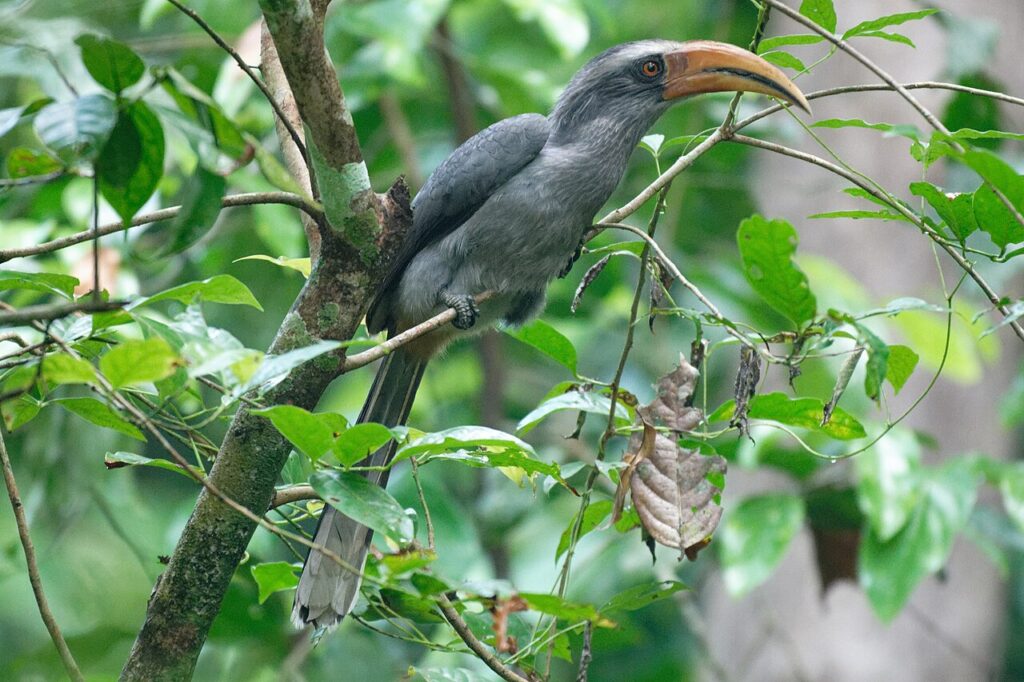

Wildlife vets have given a rare hornbill a 3D-printed beak in a world-first procedure, according to Good Good Good’s good-news roundup on October 24, 2026. The report described the breakthrough simply: “It has never been possible before.” For a bird whose beak is essential to eating, preening and survival, a replacement beak is nothing short of life-changing. Hornbills are known for their large, distinctive bills, often topped with a casque. When a hornbill’s beak is damaged by injury or disease, the bird faces a grim future: it cannot feed properly, cannot groom, and cannot live as it should. Until now, vets had no reliable way to replace it.
Printing a beak, saving a bird
The 3D-printed beak was custom-made to fit the individual bird, using scans and printing technology that can replicate the shape and structure needed for feeding. It is a marriage of veterinary medicine and engineering — a solution that did not exist a few years ago, now giving a rare bird a second chance. Details of the individual bird’s species and location were highlighted in the wider good-news coverage as a veterinary milestone, not just a curiosity. If the technique can be repeated, it could help other birds with beak injuries that would previously have been fatal or left them unable to feed.
A first that could help many more
World-first procedures matter because they open a door. A 3D-printed beak that works for one hornbill suggests a path for other hornbills, toucans and other birds whose bills are central to their survival. It also shows how far wildlife veterinary care has come — from basic treatment to bespoke, printed prosthetics. For the hornbill at the centre of the story, the result is simpler: a beak, a chance to eat, and a life that continues. That, for vets and readers alike, is the whole point.