Trump Places New Condition on Signed Saudi Nuclear Deal, Says Kingdom Must Join Abraham Accords
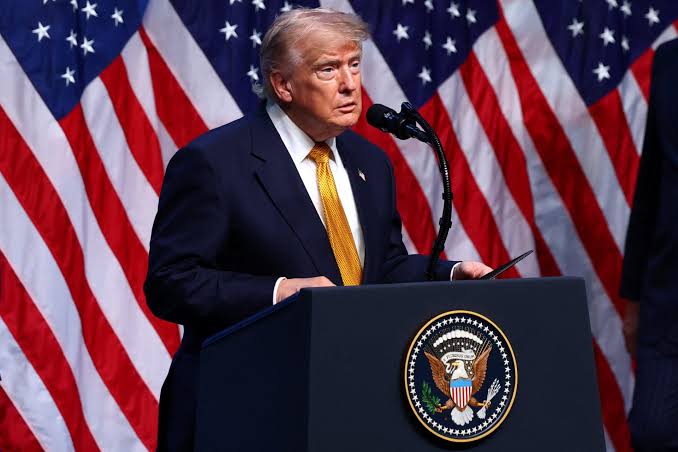
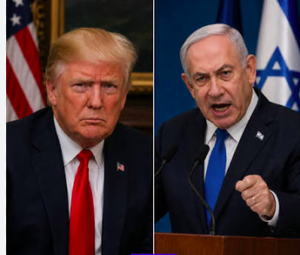
Washington (CNN) — President Donald Trump has announced a new condition tied to a signed U.S.-Saudi civilian nuclear cooperation agreement, saying Saudi Arabia must formally join the Abraham Accords before the deal can move forward.
Speaking during remarks at the White House, Trump said expanding the Abraham Accords remains a cornerstone of his Middle East strategy and described Saudi Arabia’s normalization of relations with Israel as a critical requirement for deeper strategic cooperation with Washington.
“The Abraham Accords have brought historic peace to the region,” Trump said. “Saudi Arabia joining them is an important step, and it’s something we want to see happen.”
The announcement introduces a significant diplomatic hurdle for Riyadh, which has long maintained that formal normalization with Israel depends on meaningful progress toward the establishment of a Palestinian state. Saudi officials have repeatedly reaffirmed that position despite growing security and economic ties with the United States.
The civilian nuclear agreement is intended to support Saudi Arabia’s efforts to develop nuclear energy for peaceful purposes as the kingdom seeks to diversify its economy beyond oil under its Vision 2030 reform agenda. The deal has been viewed as a key component of broader U.S.-Saudi strategic cooperation, including defense, technology, and regional security.
Trump’s latest remarks suggest the administration is linking the agreement to a broader diplomatic objective: expanding the Abraham Accords, which normalized relations between Israel and several Arab nations during Trump’s first term.
Foreign policy analysts say the condition could complicate negotiations, particularly amid heightened regional tensions and the ongoing conflict in Gaza, which has made normalization politically more sensitive across the Arab world.
Supporters of the move argue that bringing Saudi Arabia into the Abraham Accords would represent one of the most significant diplomatic breakthroughs in the Middle East in decades, strengthening regional cooperation on security, trade, and investment.
Critics, however, warn that tying the nuclear agreement to normalization could delay progress on civilian nuclear cooperation and make an already challenging diplomatic process even more difficult.
The White House has not provided a timeline for implementing the new condition, and Saudi officials have not immediately responded publicly to Trump’s comments.
The announcement is expected to become a central issue in U.S.-Saudi relations, with diplomats closely watching whether Riyadh is willing to reconsider its longstanding position on normalization as negotiations continue.