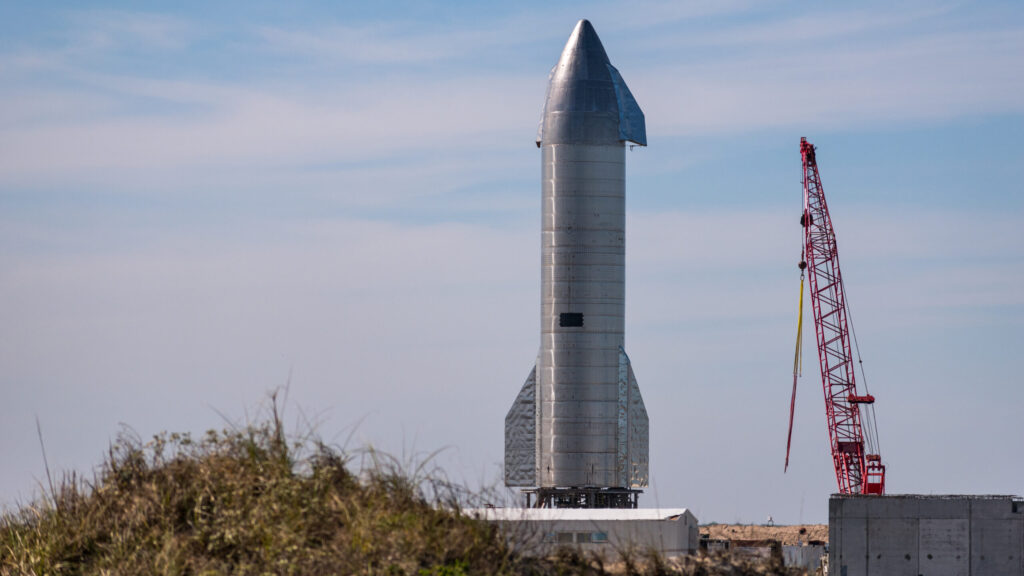

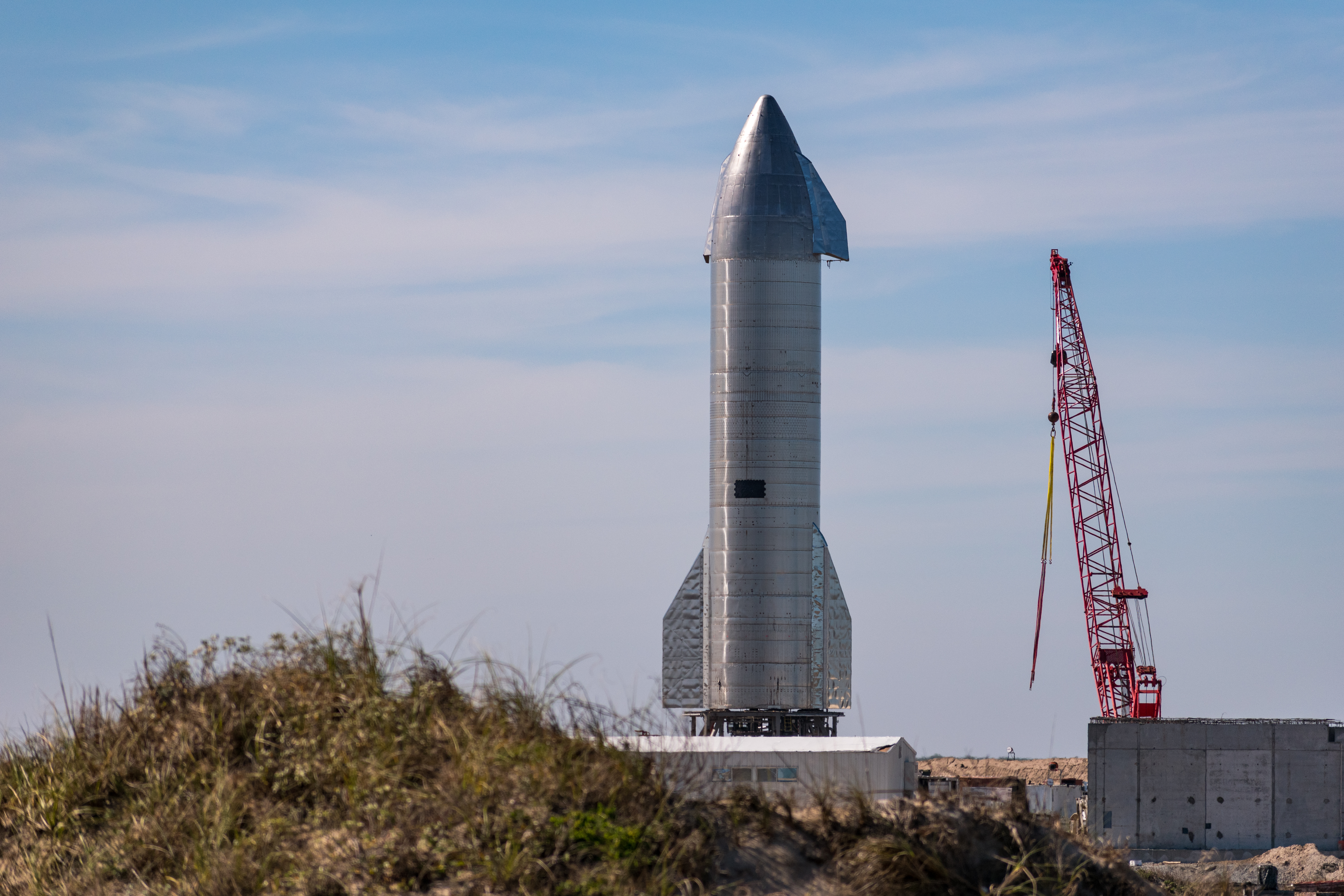
SpaceX has caught the upper stage of its Starship rocket for the first time, completing a historic step toward a fully reusable rocket days after the giant vehicle reached orbit. The SpaceX Starship catch happened on Saturday afternoon, when the returning spacecraft was grabbed mid-air by the launch tower’s giant arms at Starbase in Texas.
The 407-foot rocket launched for its 15th test flight from Starbase in Boca Chica, Texas, on Friday, November 13. The upper stage, called the Starship spacecraft, went on to complete a roughly 22.5-hour journey that involved 14 laps around Earth and the deployment of 26 Starlink satellites. On Saturday, November 14, after a successful deorbit burn and reentry, the ship executed a banking final approach and was caught by the Mechazilla tower arms at about 3:20 p.m. Central time.
A first for the upper stage
It was the first time SpaceX had ever caught a Starship upper stage returning from orbit. The company had previously caught the Super Heavy booster with the tower arms, but the ship itself had always splashed down in the ocean or been lost. Starship only recently reached Earth orbit at all, passing the milestone on September 28, during a test flight in which the spacecraft looped around the planet twice.
The catch was the second half of an ambitious plan. Flight 15 was the first mission designed to return both Starship and the Super Heavy booster to the launch site for a catch, and SpaceX chief Elon Musk had said on the company’s October earnings call that it would try to catch both halves of the largest rocket ever flown.
Half a double catch
The mission delivered only half of that double catch. The Super Heavy booster, Booster 22, separated during the ascent but detected a problem in its own guidance systems, aborted the catch by itself and diverted offshore, ending its flight in the Gulf of Mexico. SpaceX has not explained the fault beyond that description.
Even so, the ship catch is a landmark for the programme. The space agency will test Starship during the Artemis 3 mission, slated for mid-2027, when SpaceX and Blue Origin compete to provide the lunar lander NASA will use to take humans back to the moon. The next Starship flight, Flight 16, is targeted for December 2026, possibly from Launch Complex 39A in Florida, and reflying the caught Ship 42 is the obvious next step, though SpaceX has not confirmed the timing.